{{ variable.name }} : {{ variable.values[selectedVariantsIndex[variable_index]].name }}
Quantity:
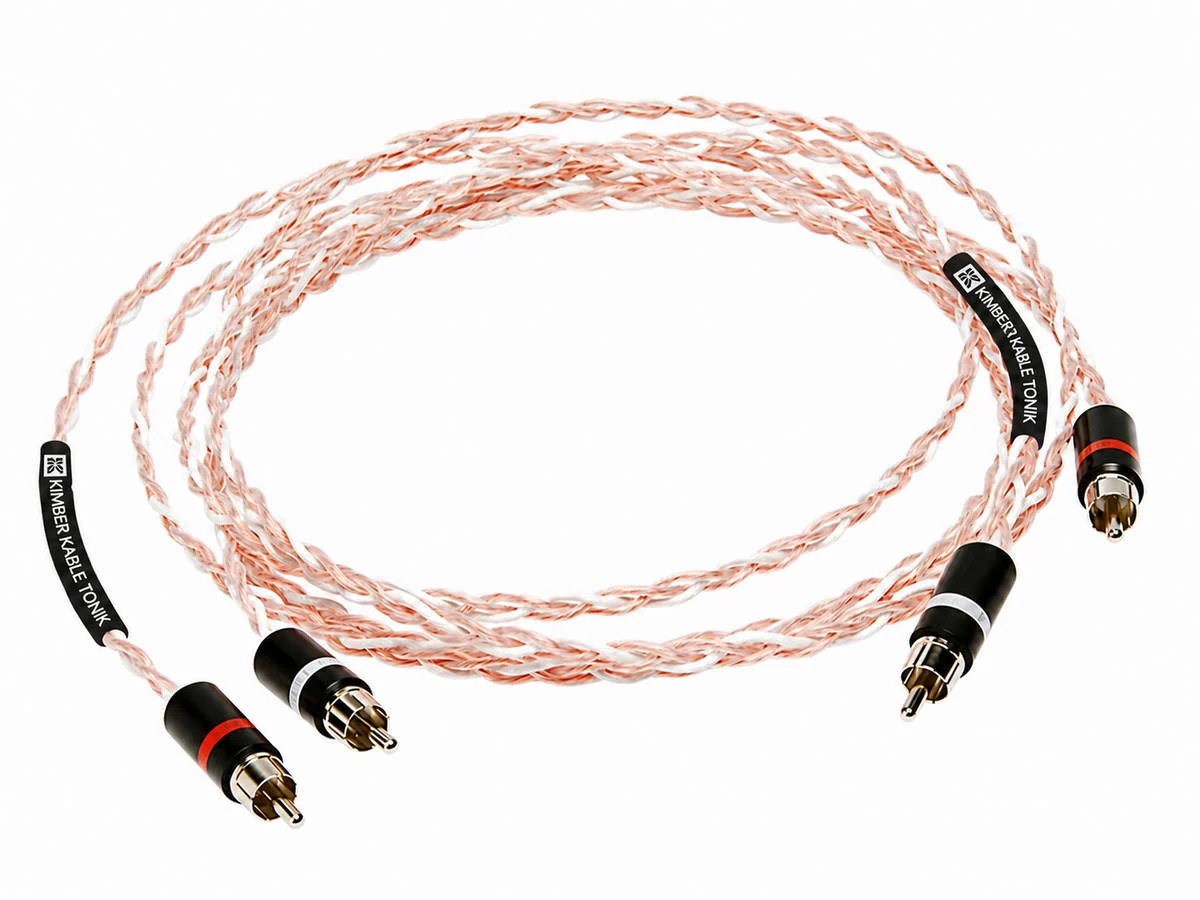
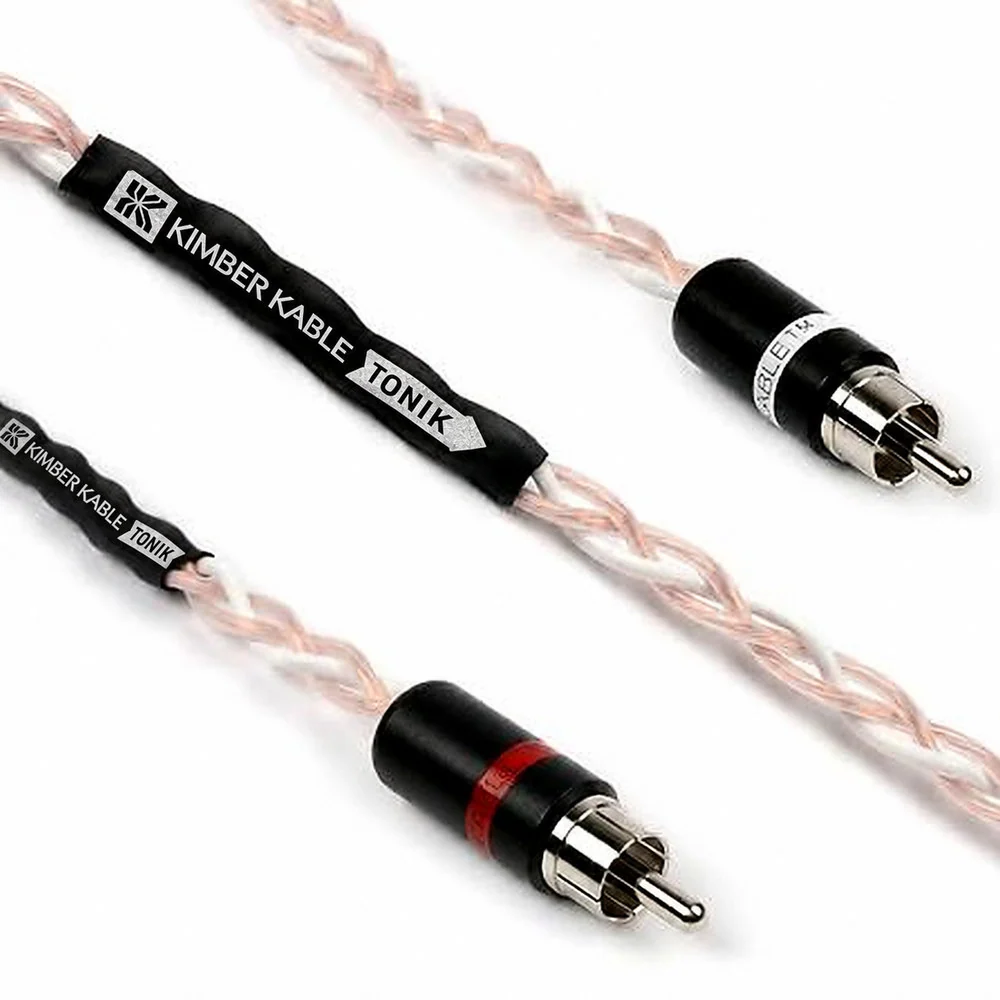
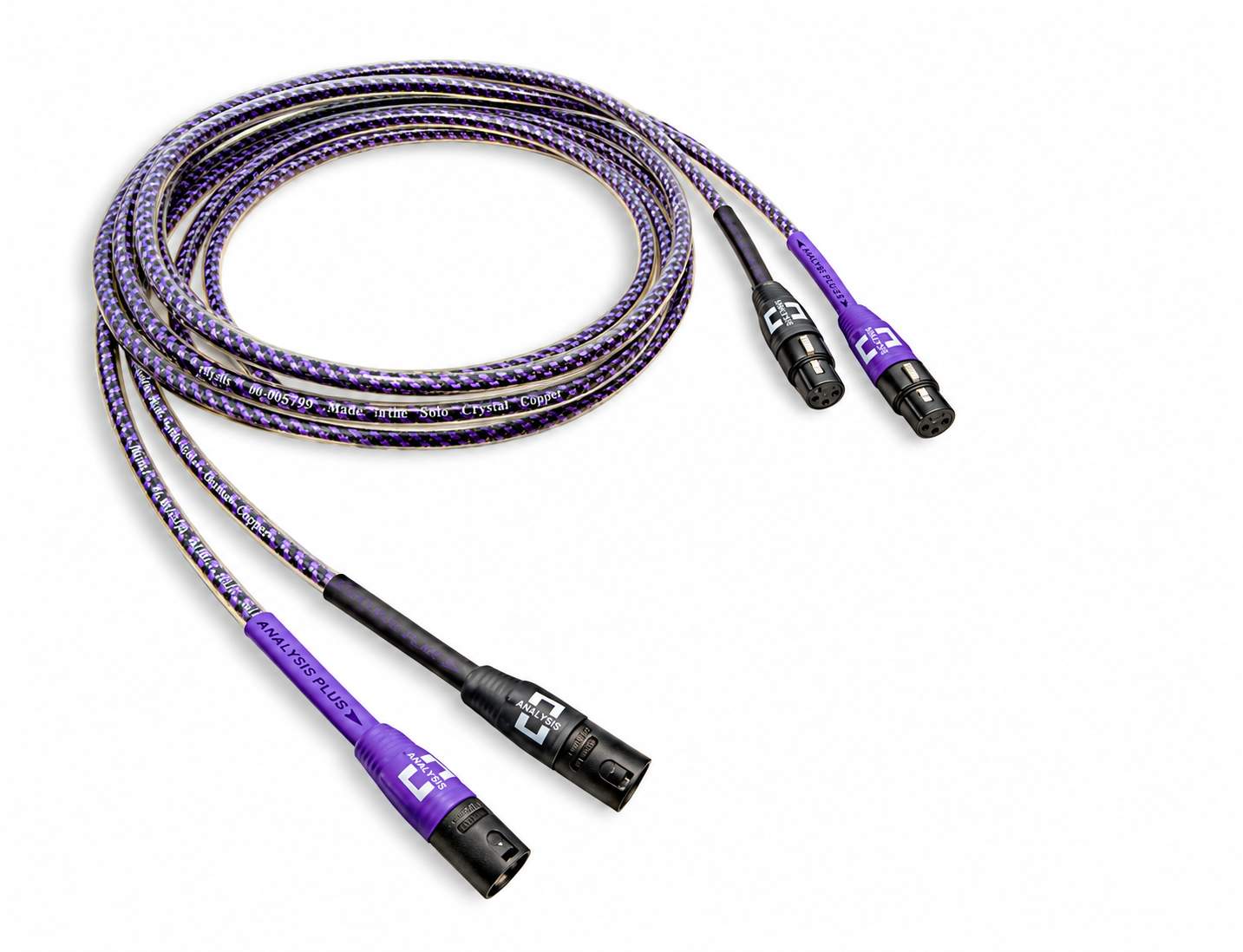
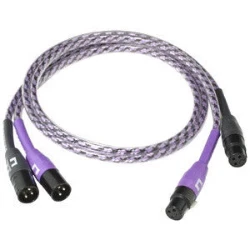
Kimber Kable's Tonik is the least expensive interconnect Kimber makes. It is built the way every Kimber cable is built: three conductors braided by hand in Ogden, Utah. Kimber names it after the first note of a scale. The aim is a base that is accurate before it is anything else.
Other length & termination options are available. Call us to discuss your needs.
The conductors are Kimber's VariStrand copper. Each is a bundle of strands in more than one gauge. Kimber says the mix of gauges spreads the signal across the bundle. The three are woven in Kimber's tri-braid field geometry. The braid is the noise control; there is no separate shield.
Kimber insulates the Tonik with what it calls a special-recipe PE, or polyethylene, dielectric. Kimber publishes the result: 52 pF of capacitance and 0.772 µH of inductance per meter of cable. Low capacitance keeps a line-level signal intact over a longer run.
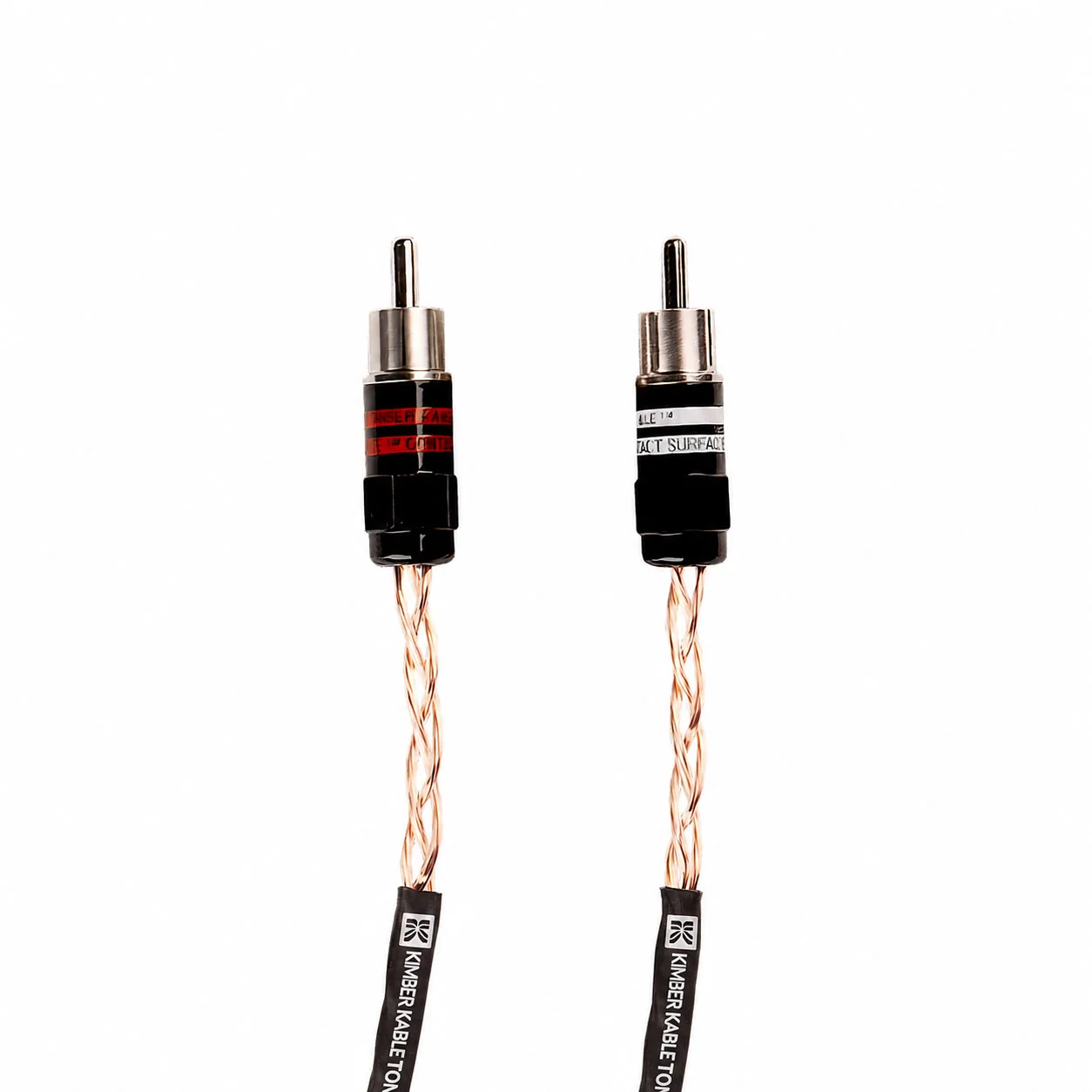
Tonik ends in the Ultratike, Kimber's own entry RCA plug. Kimber machines it from solid metal stock. It carries the Ultraplate contact surface. Kimber says that surface gives high conductivity and durability, and works with any plating on your gear. Inside is a solid Teflon dielectric and a split center pin that grips the jack.
Art Dudley, writing in Stereophile on November 23, 2011, found the Toniks "offered clarity without brightness, and reasonably good amounts of color, texture, and touch."
The Tonik still appears in the 2026 edition of Stereophile’s Recommended Components, which lists the cables its writers have used and stand behind.
Run the Tonik from a line-level output, a DAC, streamer, CD player or phono stage, to a line-level input on your amplifier or preamp. Keep left to left and right to right. Push each Ultratike plug straight on until it seats. Pull it off by the barrel, never by the cable.
Then listen.
Measure the route the cable will really take between your components, around shelves and behind the rack. Then add a little slack. As audio legend George Cardas puts it, "A cable that's just long enough usually turns out to be just not long enough." Keep the left and right cables the same length. We recommend a matched pair.
If both components offer balanced XLR jacks, we recommend using XLRs. If one has only RCA jacks, use RCA, and skip the adapter. You only get the possible benefits of a balanced output with a pure XLR-to-XLR connection.
If your amplifier and speakers sit far from your source, we recommend a long interconnect over a long speaker cable. A really long interconnect affects system performance less than a really long speaker cable.
An interconnect often stays in a system for years, so it is easy to overlook. Look again when something else changes: a new DAC, streamer or phono stage, a better amplifier, or a move to components with balanced XLR jacks.
An interconnect is one link in the chain. It usually joins these categories.
Kimber's own entry RCA plug. It is machined from solid metal, uses Kimber's Ultraplate contact surface, and has a solid Teflon dielectric and a split center pin.
Each conductor is made of copper strands in more than one gauge. Kimber uses this stranding in every interconnect it makes.
There is no separate shield. Kimber relies on the tri-braid geometry to reject noise, which is why the cable has no outer jacket.
Kimber PBJ is the next rung. It keeps the tri-braid and moves to a fluorocarbon dielectric and the Ultraplate plug.
The most popular configurations are shown on this page. If your system requires a different length or termination, call our audio experts. We’ll help you choose the right configuration and arrange a custom cable for your system.
Want to learn more about interconnects, braided cables, or RCA versus XLR? Visit our Learning Center for guides, tips, and expert advice.



Choose which cookies you'd like to allow. Necessary cookies keep the site working and can't be switched off.