{{ variable.name }} : {{ variable.values[selectedVariantsIndex[variable_index]].name }}
Quantity:
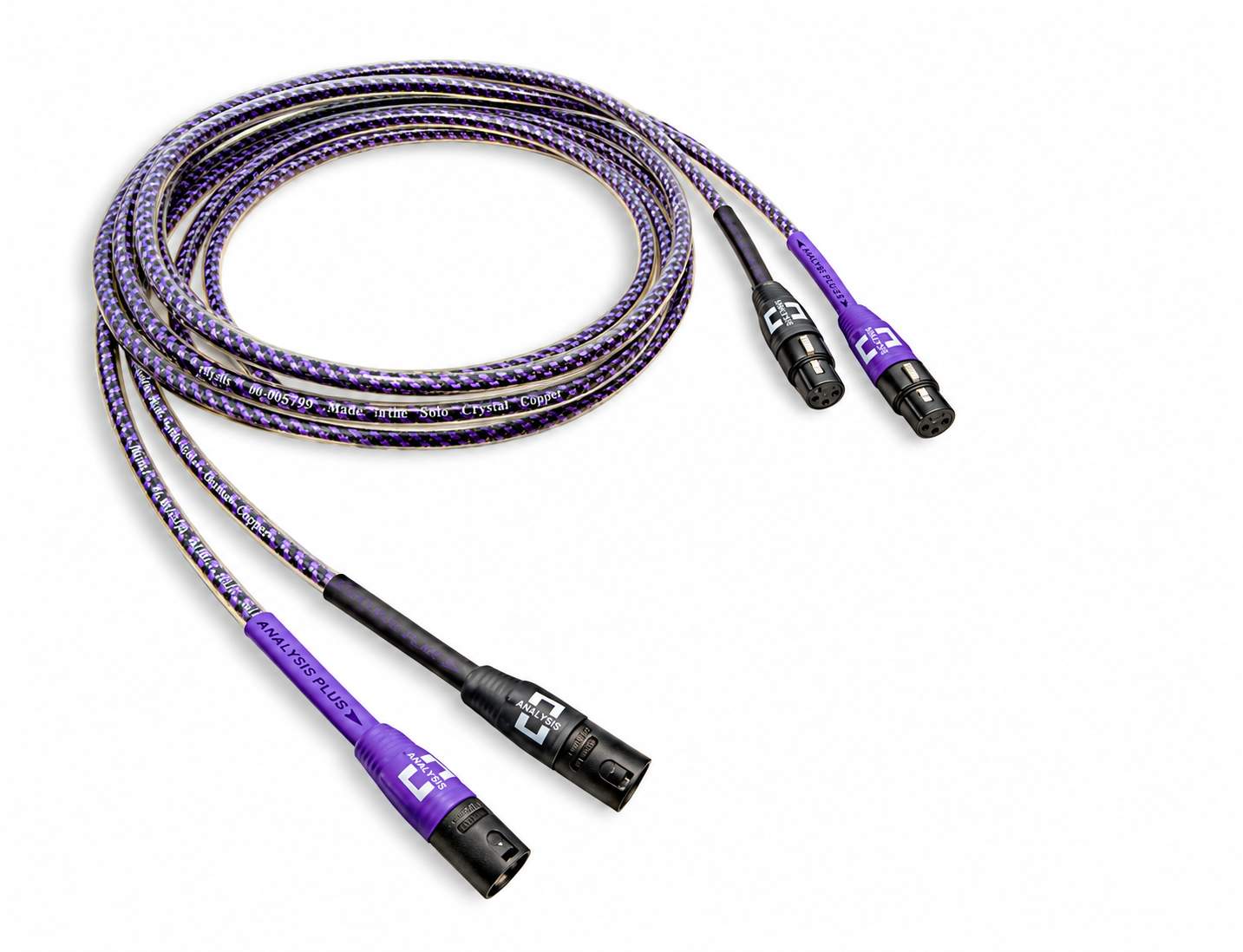
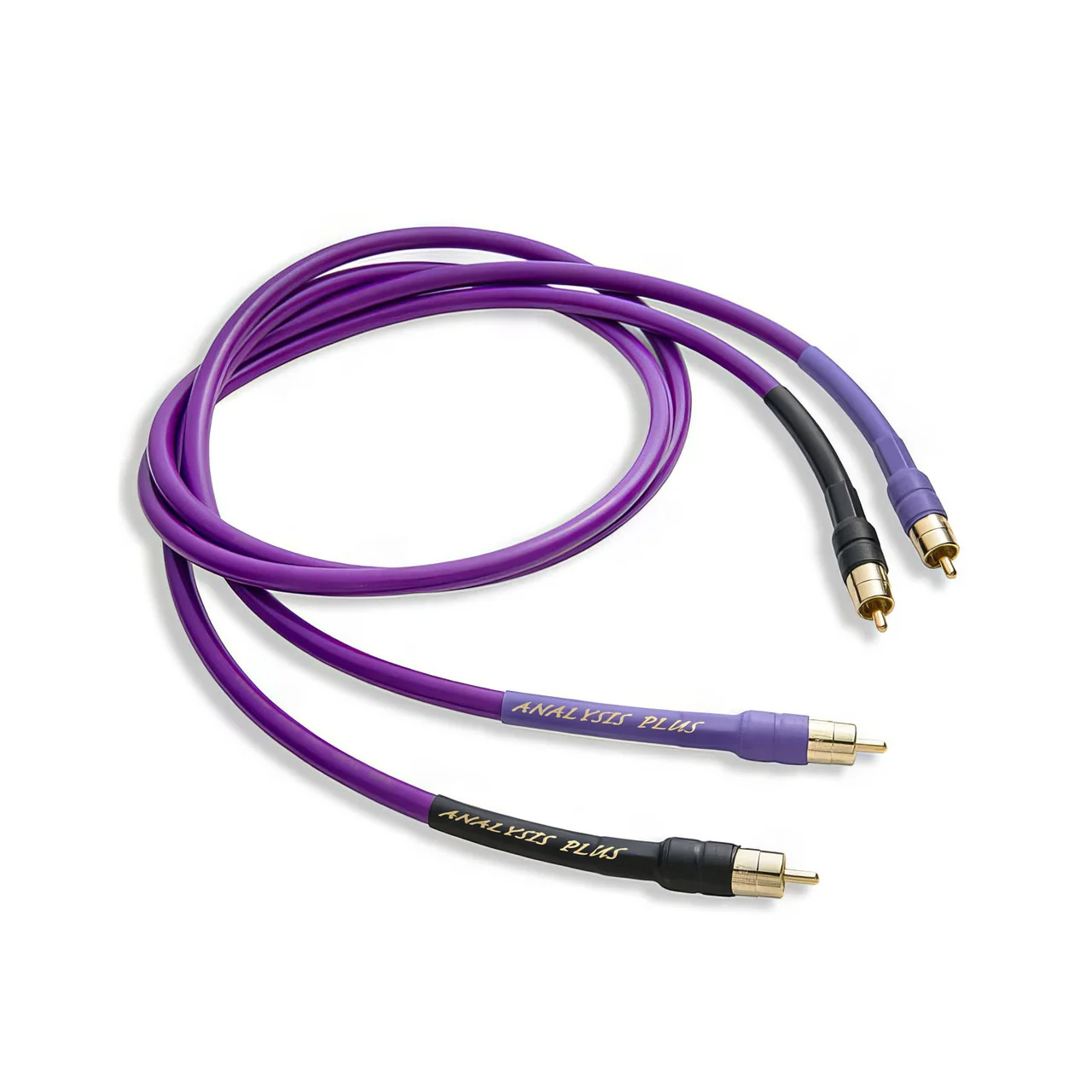
Analysis Plus's Solo Crystal Oval braids Continuous Cast Copper into the company's hollow oval geometry. Continuous casting draws the copper as one long crystal, so the signal crosses no grain boundaries on the way. Analysis Plus says the design puts nothing in the way of the music. The plugs are Abbatron XLRs.
Other length & termination options are available. Call us to discuss your needs.
The conductors are Continuous Cast Copper, which Analysis Plus also calls solo crystal copper. Ordinary copper is made of many small crystals, and each boundary between them is a small barrier to the signal. Casting the copper as one crystal removes them. The braid is woven into the hollow oval shape for even current flow.
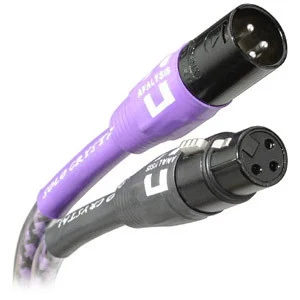
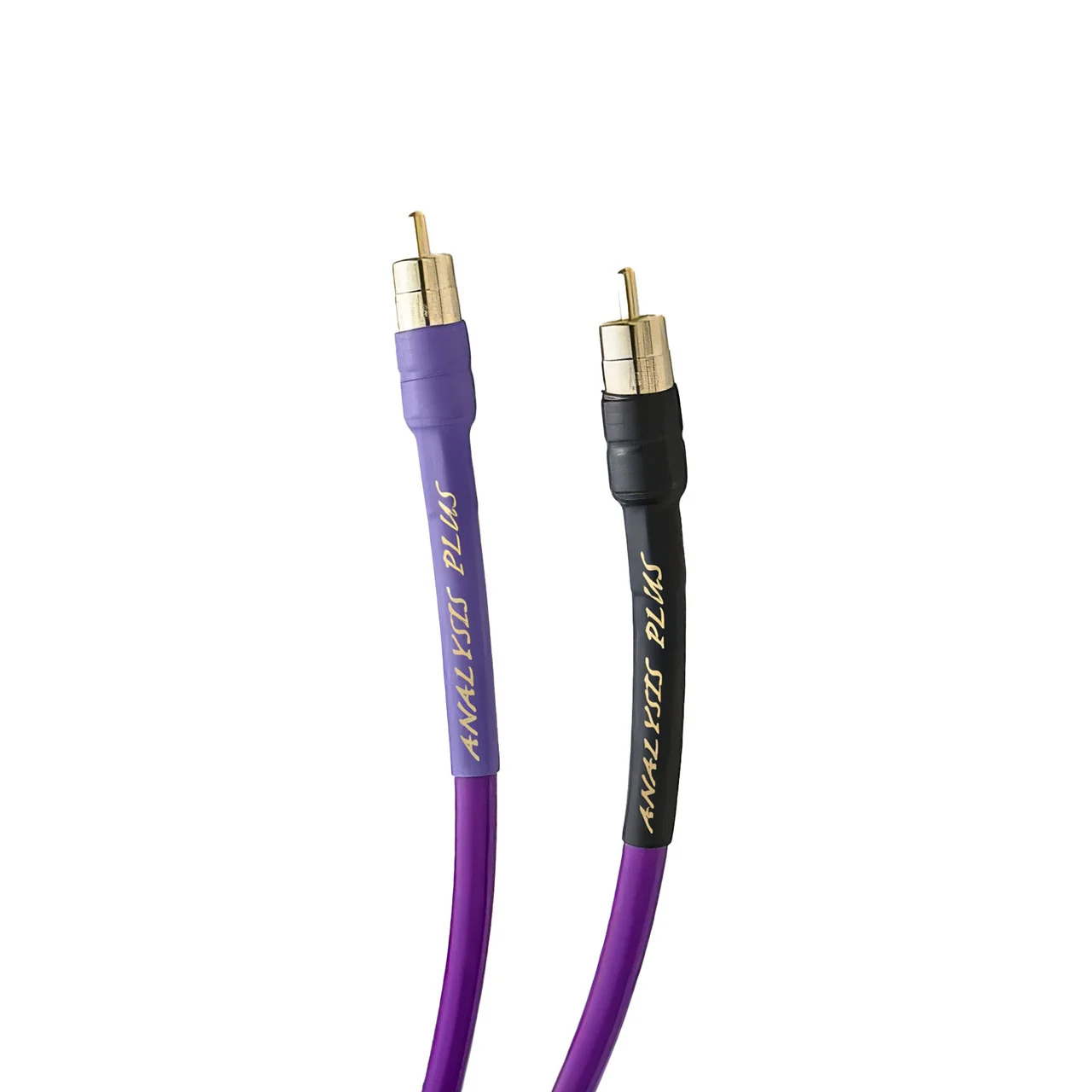
Solo Crystal Oval ends in an XLR plug from Abbatron of Meadville, Pennsylvania. The female plug gets beryllium copper sockets. The male gets tellurium copper pins. Abbatron says the pair conducts about three times as well, for a cleaner and fuller sound. A chuck-style strain relief grips the cable where it enters the shell. The plug latches into the jack.
Analysis Plus was founded in 1993 as a scientific research and design company. It builds its cables by hand at its own shop in Flushing, Michigan. The company chose braided conductors because a woven bundle flexes without the stress cracks a solid wire can suffer, and because its weave puts every strand equally close to the return current.
Marc Mickelson reviewed Solo Crystal Oval for SoundStage! in October 2002 and heard cables that sound like "utterly clear conduits between your components and music." He found them "palpable and fleshy through the midrange, the antithesis of thin or bleached."
His verdict was plain: "These are cables with which you can call it quits." He noted the detail is abundant, and that some listeners might see that as a sin of commission rather than a virtue.
Run Solo Crystal Oval from a balanced XLR output on your DAC, streamer, CD player or phono stage. It goes to a balanced XLR input on your preamp or amplifier. Line up the three pins and push until the latch clicks. To remove it, press the latch and pull by the plug, never by the cable.
Then listen.
Measure the route the cable will really take between your components, around shelves and behind the rack. Then add a little slack. As audio legend George Cardas puts it, "A cable that's just long enough usually turns out to be just not long enough." Keep the left and right cables the same length. We recommend a matched pair.
Balanced XLR works when both components have XLR jacks, and we recommend using XLRs whenever they do. If one component has only RCA jacks, use an RCA cable instead of an adapter. You only get the possible benefits of a balanced output with a pure XLR-to-XLR connection.
If your amplifier and speakers sit far from your source, we recommend a long interconnect over a long speaker cable. A really long interconnect affects system performance less than a really long speaker cable.
An interconnect often stays in a system for years, so it is easy to overlook. Look again when something else changes: a new DAC, streamer or phono stage, a better amplifier, or a move to components with balanced XLR jacks.
An interconnect is one link in the chain. It usually joins these categories.
An Abbatron XLR, made in Meadville, Pennsylvania. It has beryllium copper sockets and tellurium copper pins, which Abbatron says conduct about three times as well. Analysis Plus does not say which contact finish it fits.
Copper drawn as one long crystal instead of many small ones. Analysis Plus calls it solo crystal copper. With no grain boundaries along its length, the company says the signal meets fewer barriers.
Analysis Plus's own conductor shape. At high frequencies current crowds to the outside of a wire and bunches unevenly. The oval keeps the outgoing and return paths close, and the hollow center drops the metal that would carry little current.
Analysis Plus says a woven bundle flexes without the stress cracks a solid wire can suffer. Its weave also puts every strand statistically as close to the return current as every other strand.
One year against mechanical defects, from the date of purchase, on cables sold as new. Keep your proof of purchase. The warranty is not transferable and does not cover cables that have been altered or misused.
The most popular configurations are shown on this page. If your system requires a different length or termination, call our audio experts. We’ll help you choose the right configuration and arrange a custom cable for your system.
Want to learn more about interconnects, braided cables, or RCA versus XLR? Visit our Learning Center for guides, tips, and expert advice.
Choose which cookies you'd like to allow. Necessary cookies keep the site working and can't be switched off.