{{ variable.name }} : {{ variable.values[selectedVariantsIndex[variable_index]].name }}
Quantity:
A fiber optic cable carries sound as pulses of light, not electricity, so it can't pick up the electrical or radio-frequency noise a copper cable can. What still matters is fiber quality and how cleanly the ends are polished.
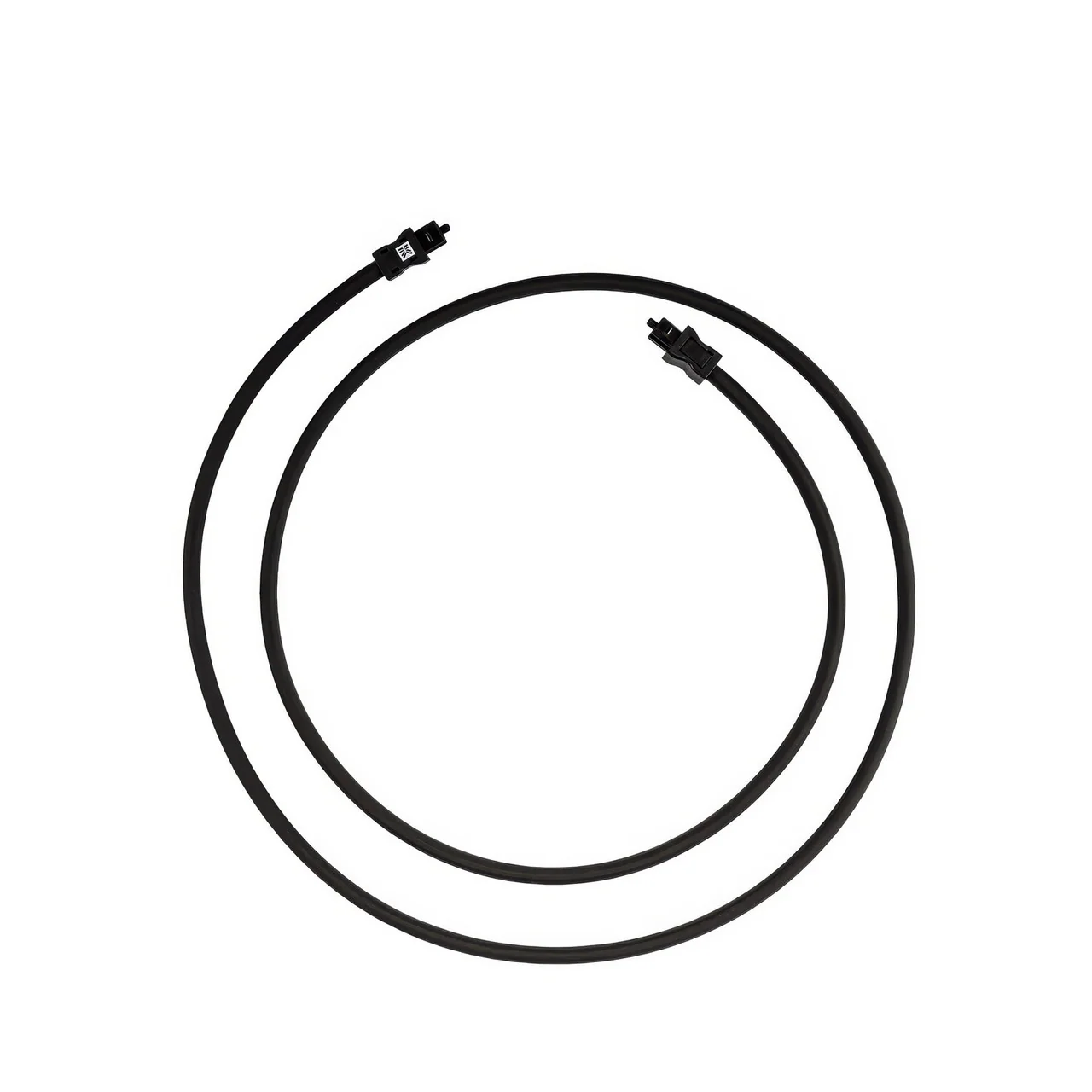
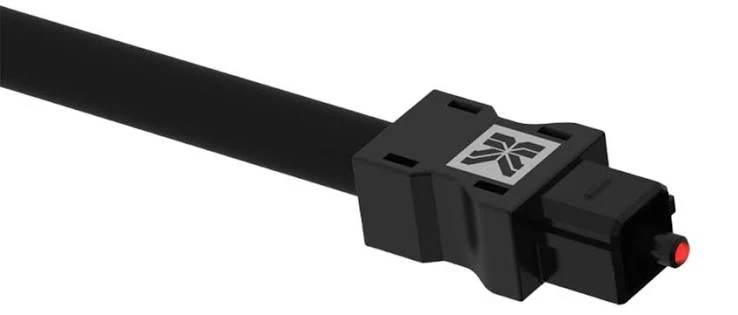
Kimber Kable's OPT-1 is the company's only optical cable, built from medical-grade light-conducting fiber, encapsulated in a heat-inhibiting thermal barrier, and finished with cold-polished ends that reduce reflections at the connection.
Kimber says construction begins with medical-grade light-conducting fiber, which has excellent light-transfer characteristics. Unlike glass fiber, it will not microscopically fracture when flexed.
The fiber is encapsulated in a thermal barrier that inhibits heat warping of the light-carrying fiber, and a mechanical damping outer barrier further protects the cable from damage. Kimber cold-polishes the ends of every OPT-1 cable to further reduce the incidence of reflections, and finishes each cable by hand.
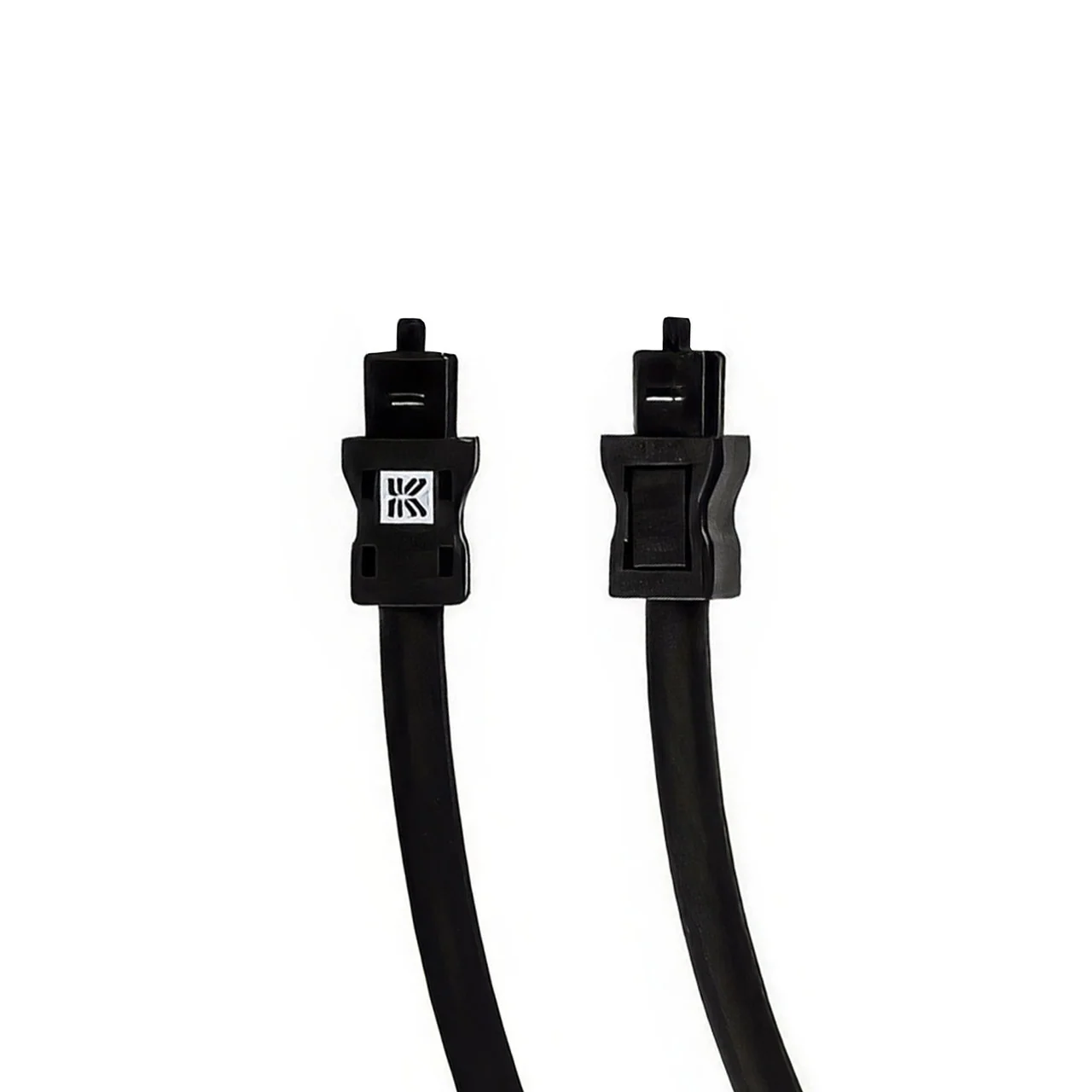
OPT-1 ends in a square Toslink plug on each end, cold-polished by Kimber to reduce internal reflections at the connection, with each individual cable hand-finished.
Plug the square Toslink connector into the OPTICAL OUT or DIGITAL OUT port on your source, and the matching square plug into the OPTICAL IN port on your receiver, DAC or soundbar. The connector is keyed to fit only one way.
Then power up the system as usual.
Measure the route the cable will really take from your source to your receiver, DAC or soundbar, around furniture and behind the rack. Then add a little slack. As audio legend George Cardas puts it, "A cable that's just long enough usually turns out to be just not long enough."
An optical cable often stays in a system for years, so it is easy to overlook. Look again when something else changes: a new DAC, streamer, receiver or soundbar.
An optical cable is one link between a source and a receiver, DAC or soundbar. It usually joins these categories.
It's plastic optical fiber, not glass. Unlike glass, it will not microscopically fracture when the cable is bent or flexed, which is what lets these cables route through tight spots without breaking.
Light travels down the fiber core with no electrical current on the cable itself, which is exactly why it can't pick up hum, ground loops or radio-frequency noise the way a copper interconnect can. The signal is decoded back to an electrical one only inside your components.
Not in the Kimber Kable optical line we carry. OPT-1 is the top of that range.
Want to learn more about optical cables, digital audio, or system setup? Visit our Learning Center for guides, tips, and expert advice.
Choose which cookies you'd like to allow. Necessary cookies keep the site working and can't be switched off.