{{ variable.name }} : {{ variable.values[selectedVariantsIndex[variable_index]].name }}
Quantity:
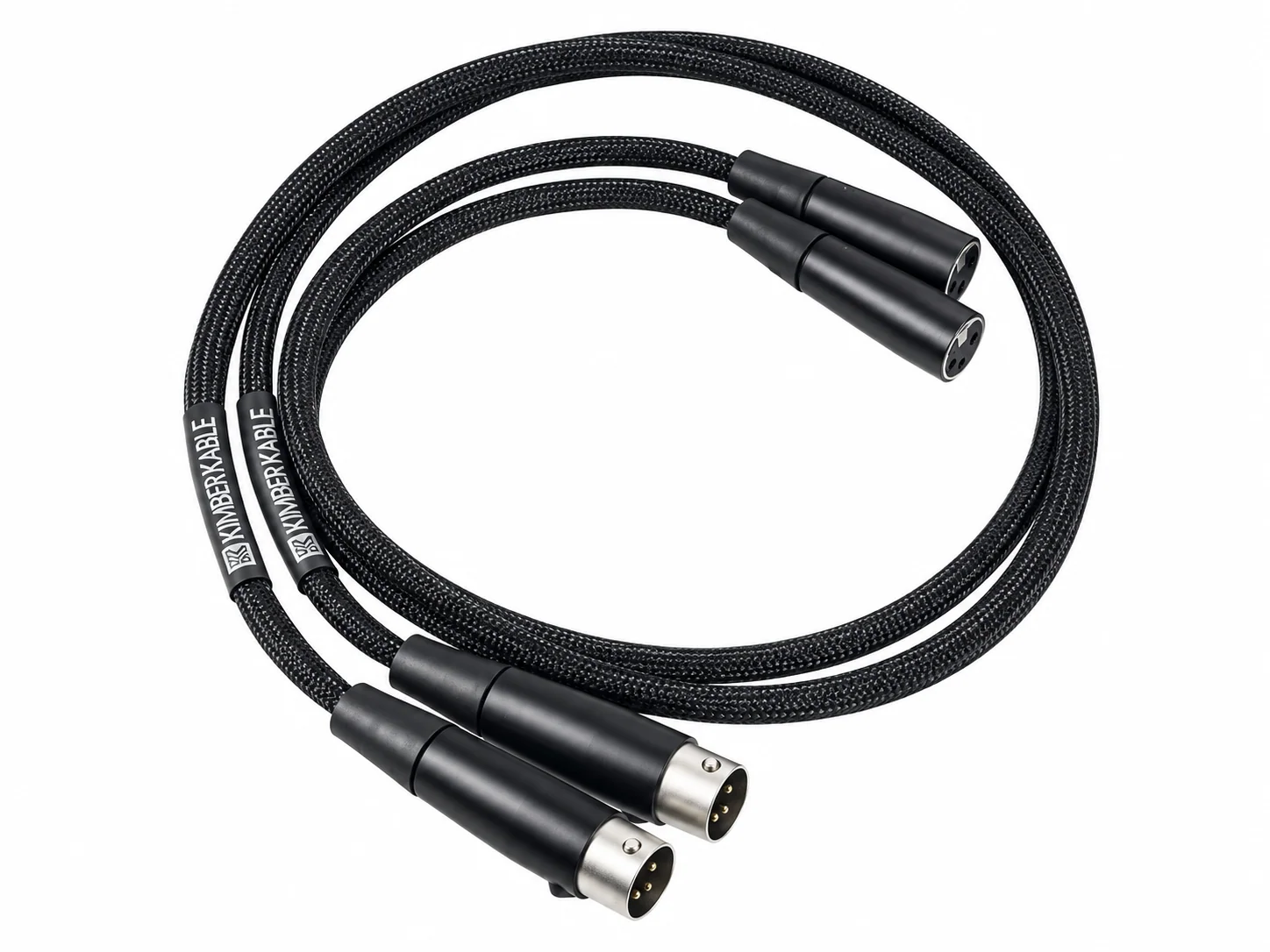
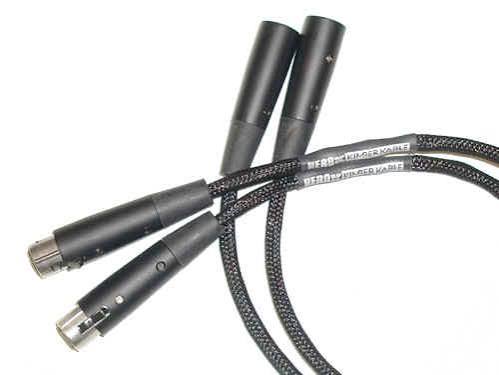
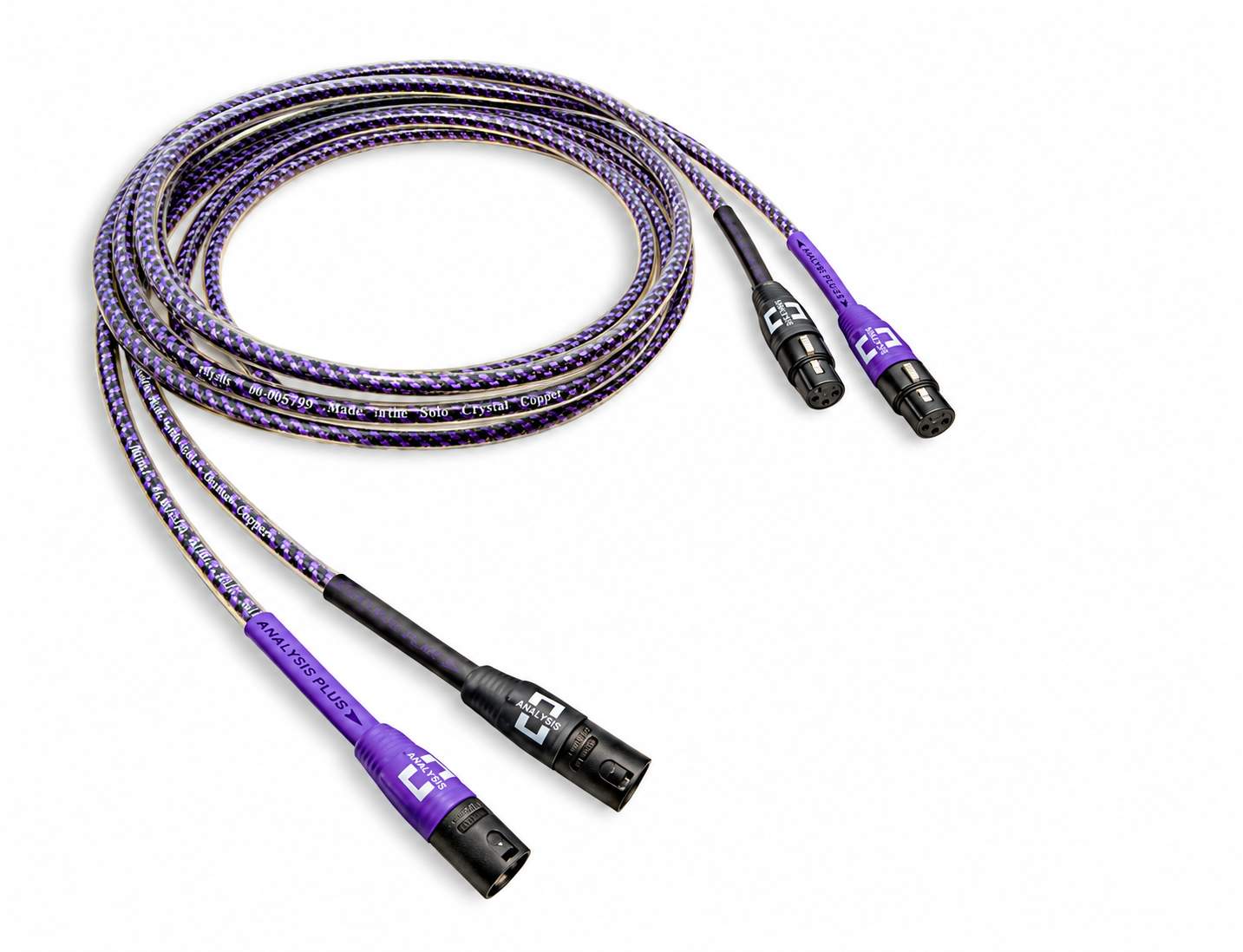
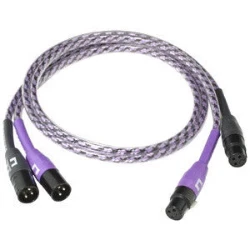
Kimber Kable's Hero HB is a four-wire Kimber braid made from two metals. Kimber uses hyper-pure copper and hyper-pure silver for the conductors. It places the cable in its Classic Series. Like every Kimber cable, it is braided and terminated by hand in Ogden, Utah.
Other length & termination options are available. Call us to discuss your needs.
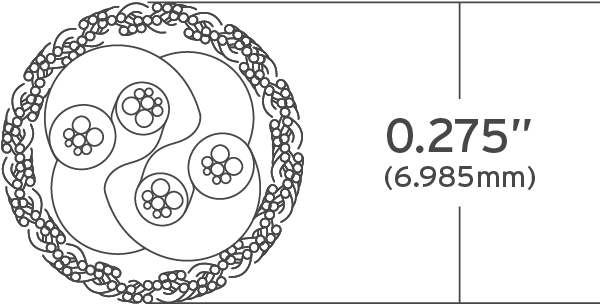
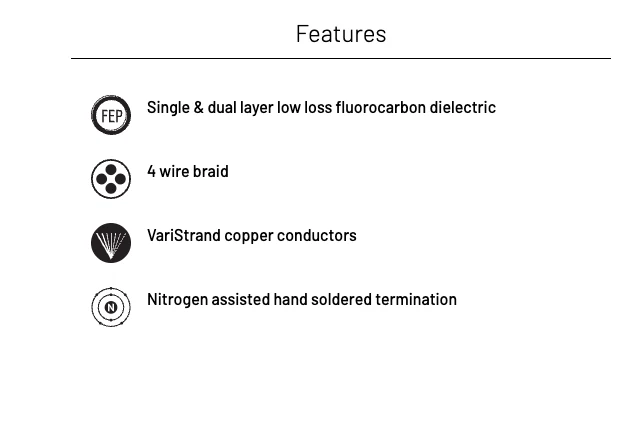
Kimber names the geometry GyroQuadratic. Four VariStrand conductors, in hyper-pure copper and silver, weave around one another. Kimber says the weave rejects noise without a shield. Each conductor is a bundle of strands in more than one gauge.
Kimber uses what it calls dual fluorocarbon insulating technology, two layers of fluorocarbon over each conductor. It publishes the result: 73.3 pF of capacitance, 0.382 µH of inductance and 0.0388 ohms of resistance per meter. Kimber publishes those figures for the single-ended cable. The plugs are soldered on by hand under nitrogen.
Kimber has braided cable in Ogden, Utah, since 1979, and every Hero HB is woven there. The nitrogen used at the soldering bench keeps air away from the hot joint, so the solder stays bright and the connection stays clean. No publication has reviewed Hero HB, so we describe only what Kimber states.
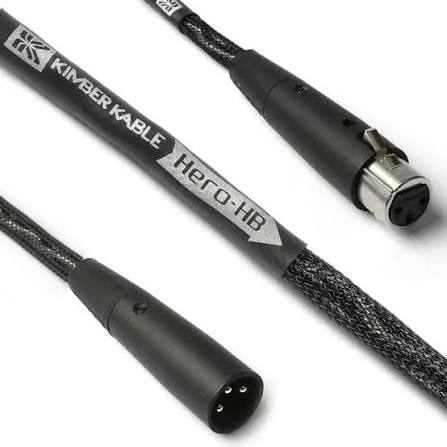
Hero HB ends in the plug Kimber fits to its balanced cables: a studio-grade Switchcraft XLR with silver-plated contact pins. Kimber solders it on by hand under nitrogen in Ogden, Utah. The plug latches into the jack and will not pull loose by accident. The silver plating keeps the contact clean.
Run the Hero HB from a balanced XLR output on your DAC, streamer, CD player or phono stage to a balanced XLR input on your preamp or amplifier. Keep left to left and right to right. Line up the pins and push until the latch clicks. Press the latch tab to release the plug.
Then listen.
Measure the route the cable will really take between your components, around shelves and behind the rack. Then add a little slack. As audio legend George Cardas puts it, "A cable that's just long enough usually turns out to be just not long enough." Keep the left and right cables the same length. We recommend a matched pair.
Balanced XLR works when both components have XLR jacks, and we recommend using XLRs whenever they do. If one component has only RCA jacks, use an RCA cable instead of an adapter. You only get the possible benefits of a balanced output with a pure XLR-to-XLR connection.
If your amplifier and speakers sit far from your source, we recommend a long interconnect over a long speaker cable. A really long interconnect affects system performance less than a really long speaker cable.
An interconnect often stays in a system for years, so it is easy to overlook. Look again when something else changes: a new DAC, streamer or phono stage, a better amplifier, or a move to components with balanced XLR jacks.
An interconnect is one link in the chain. It usually joins these categories.
A studio-grade Switchcraft XLR with silver-plated contact pins. Kimber names it on its balanced Tonik, PBJ, Silver Streak, Hero HB and Hero AG. Kimber solders it on by hand under nitrogen.
Each conductor is made of strands in more than one gauge. Kimber uses this stranding in every interconnect it makes and says the mix of gauges spreads the signal across the bundle.
There is no separate shield. Kimber relies on the GyroQuadratic braid to reject noise, which is why the cable has no outer jacket.
Kimber's name for the way the four wires of Hero HB weave around one another. Kimber pairs it with VariStrand conductors and two layers of fluorocarbon.
Kimber builds Hero HB from hyper-pure copper and hyper-pure silver. The mix sits between Kimber's all-copper and all-silver four-wire cables.
Kimber Select KS 1116 XLR is the next rung. It moves to Kimber's Select Series, an all-copper balanced cable in Kimber's constrained-matrix orthogonal braid.
The most popular configurations are shown on this page. If your system requires a different length or termination, call our audio experts. We’ll help you choose the right configuration and arrange a custom cable for your system.
Want to learn more about interconnects, braided cables, or RCA versus XLR? Visit our Learning Center for guides, tips, and expert advice.

Choose which cookies you'd like to allow. Necessary cookies keep the site working and can't be switched off.