{{ variable.name }} : {{ variable.values[selectedVariantsIndex[variable_index]].name }}
Quantity:
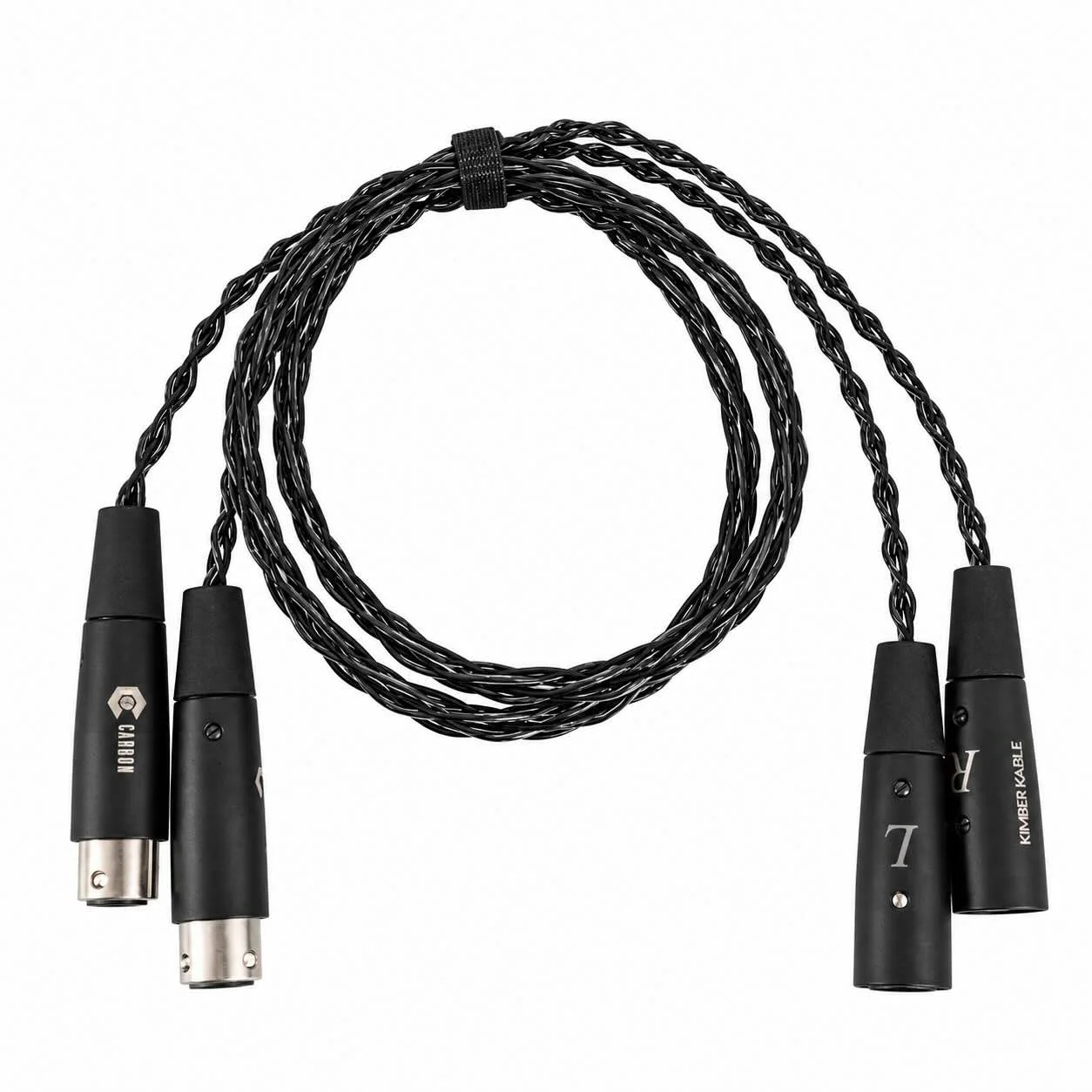
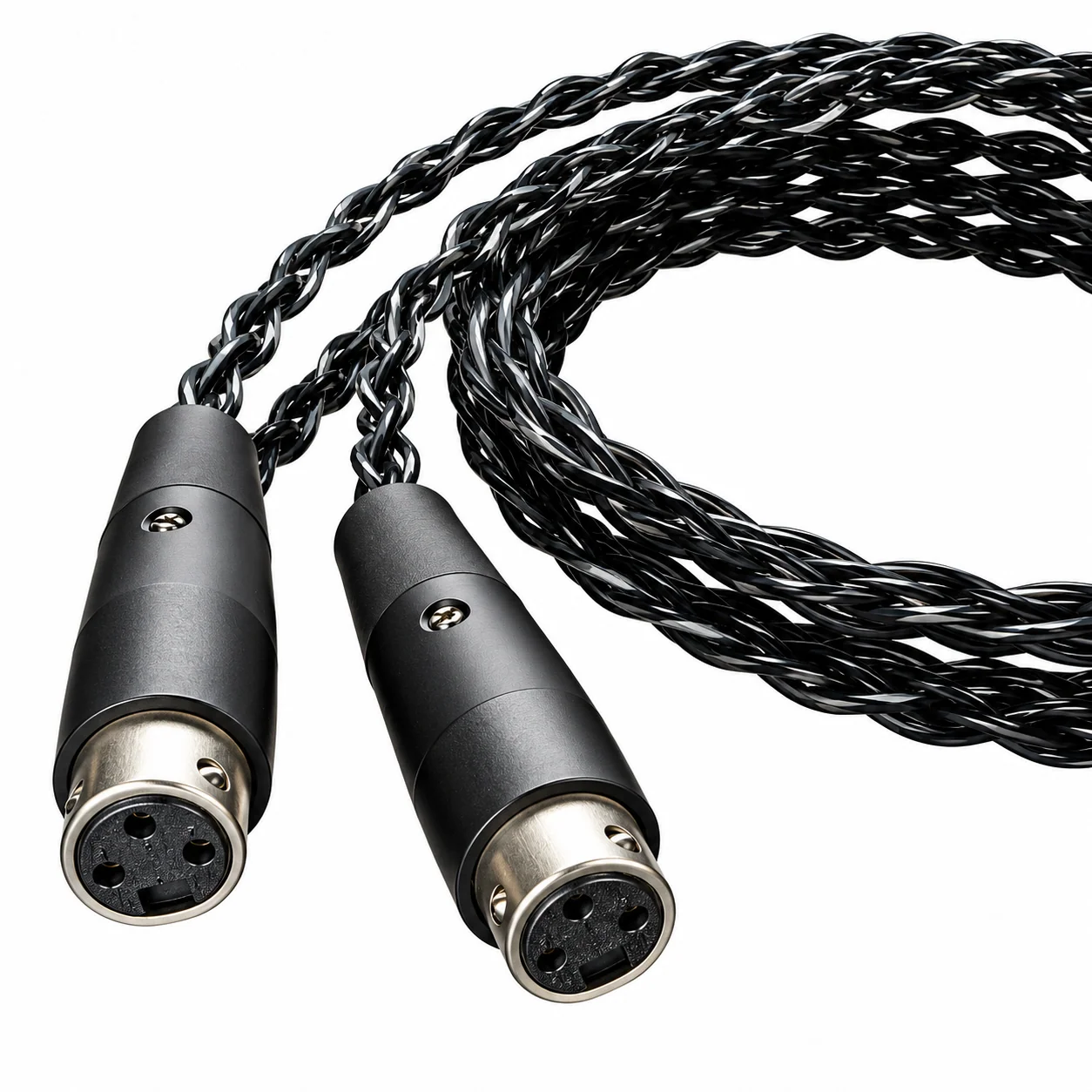
Kimber Kable's Carbon interconnect is the newest design in the Kimber line. It is the first to build a carbon polymer into the cable. Eight conductors wind in a helix and run unbroken into the plugs. It is built by hand in Ogden, Utah.
Other length & termination options are available. Call us to discuss your needs.
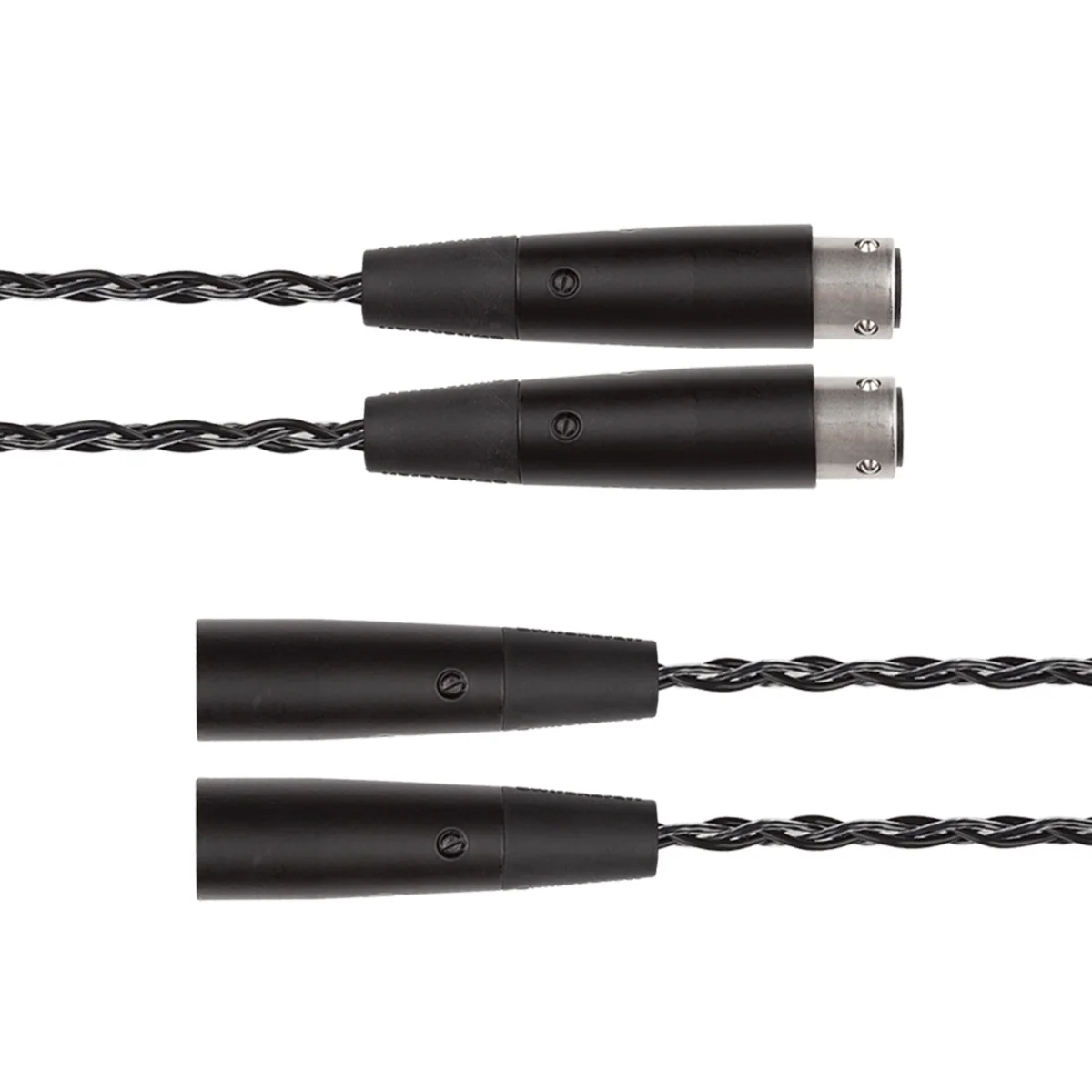
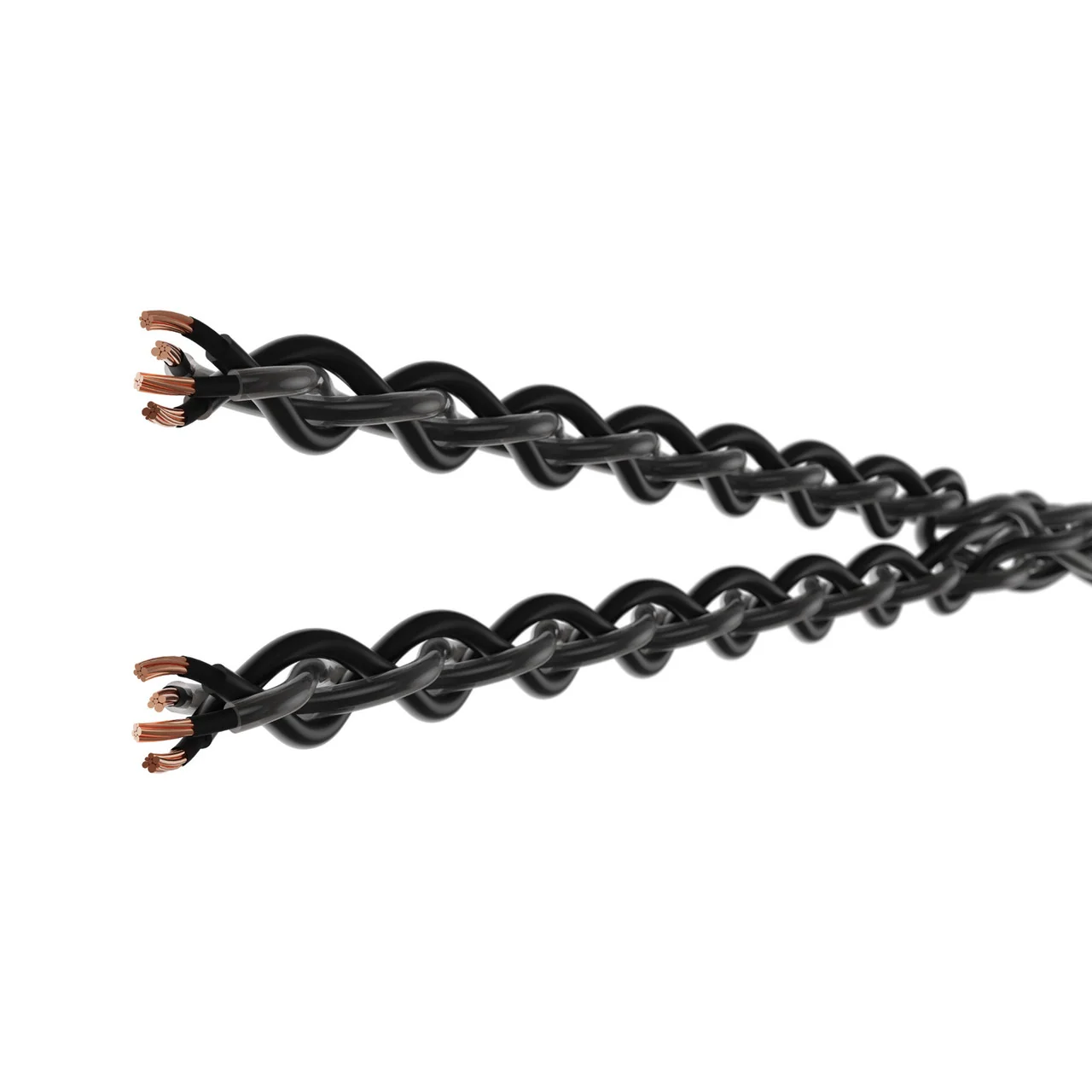
Each conductor is 19.5 AWG VariStrand copper. The eight are laid in what Kimber calls an eight-wire counter-opposed helix. Kimber describes a seamless braided transition into the left and right XLR plugs, so the geometry holds right up to the connector.
Kimber wraps the conductors in a carbon polymer that bleeds off static charge. Under it is a low-loss fluorocarbon dielectric. Kimber says the carbon layer cuts noise caused by movement. It also evens out the voltage gradient inside the insulation. The stated aim is a natural sound that is neither bright nor dark.
Carbon Ci8 ends in an XLR plug. Kimber terminates its balanced interconnects with a studio-grade Switchcraft XLR with silver-plated contact pins, and it solders the plug on by hand under nitrogen in Ogden, Utah. The plug latches into the jack and will not pull loose by accident. The silver plating keeps the contact clean.
Martin Colloms, writing in Stereophile on July 17, 2025, summed up the Carbon this way: "My first impression: neutrality. I heard no sins of commission or omission."
Paul Miller, in a Hi-Fi News review first published January 1, 2026, found that "Carbon seemingly brings composure, a quiet calm and dignity to performances." His lab found each conductor made of seven strands in four different diameters.
Run the Carbon Ci8 from a balanced XLR output on your DAC, streamer, CD player or phono stage to a balanced XLR input on your preamp or amplifier. Keep left to left and right to right. Line up the pins and push until the latch clicks. Press the latch tab to release the plug.
Then listen.
Measure the route the cable will really take between your components, around shelves and behind the rack. Then add a little slack. As audio legend George Cardas puts it, "A cable that's just long enough usually turns out to be just not long enough." Keep the left and right cables the same length. We recommend a matched pair.
Balanced XLR works when both components have XLR jacks, and we recommend using XLRs whenever they do. If one component has only RCA jacks, use an RCA cable instead of an adapter. You only get the possible benefits of a balanced output with a pure XLR-to-XLR connection.
If your amplifier and speakers sit far from your source, we recommend a long interconnect over a long speaker cable. A really long interconnect affects system performance less than a really long speaker cable.
An interconnect often stays in a system for years, so it is easy to overlook. Look again when something else changes: a new DAC, streamer or phono stage, a better amplifier, or a move to components with balanced XLR jacks.
An interconnect is one link in the chain. It usually joins these categories.
A studio-grade Switchcraft XLR with silver-plated contact pins. Kimber names it on its balanced Tonik, PBJ, Silver Streak, Hero HB and Hero AG. Kimber solders it on by hand under nitrogen.
Each conductor is made of strands in more than one gauge. Kimber uses this stranding in every interconnect it makes and says the mix of gauges spreads the signal across the bundle.
Not in the conventional sense. Kimber relies on the eight-wire helix to reject induced noise and on the carbon polymer to dissipate static charge.
Kimber calls it an electrostatically dissipative carbon polymer. It bleeds off static and, Kimber says, reduces mechanically induced noise and evens out the voltage gradient in the dielectric.
Kimber Silver Streak XLR is the next rung. It moves to Kimber's Summit Series and puts two silver conductors with one copper in the balanced braid.
The most popular configurations are shown on this page. If your system requires a different length or termination, call our audio experts. We’ll help you choose the right configuration and arrange a custom cable for your system.
Want to learn more about interconnects, braided cables, or RCA versus XLR? Visit our Learning Center for guides, tips, and expert advice.


Choose which cookies you'd like to allow. Necessary cookies keep the site working and can't be switched off.