{{ variable.name }} : {{ variable.values[selectedVariantsIndex[variable_index]].name }}
Quantity:
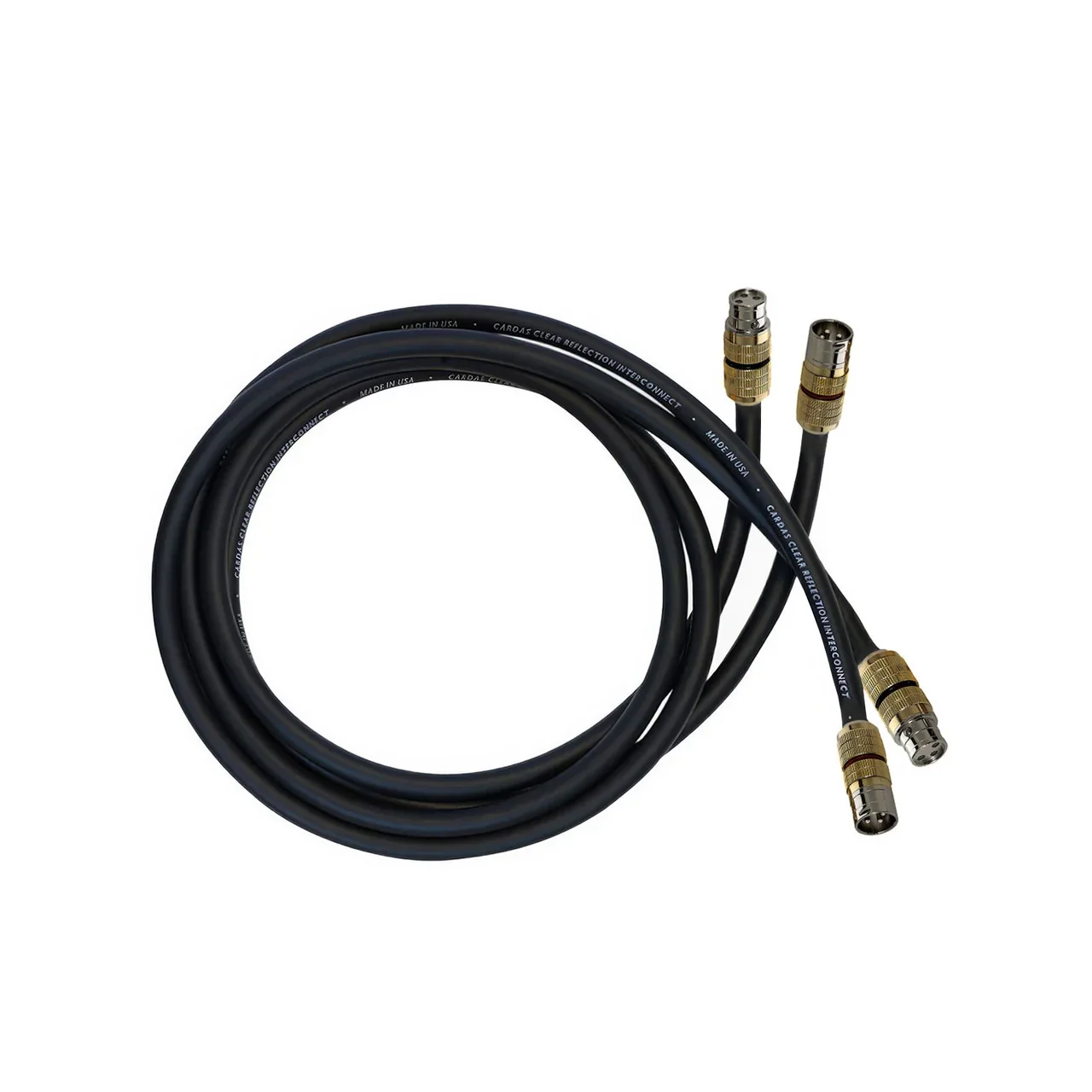
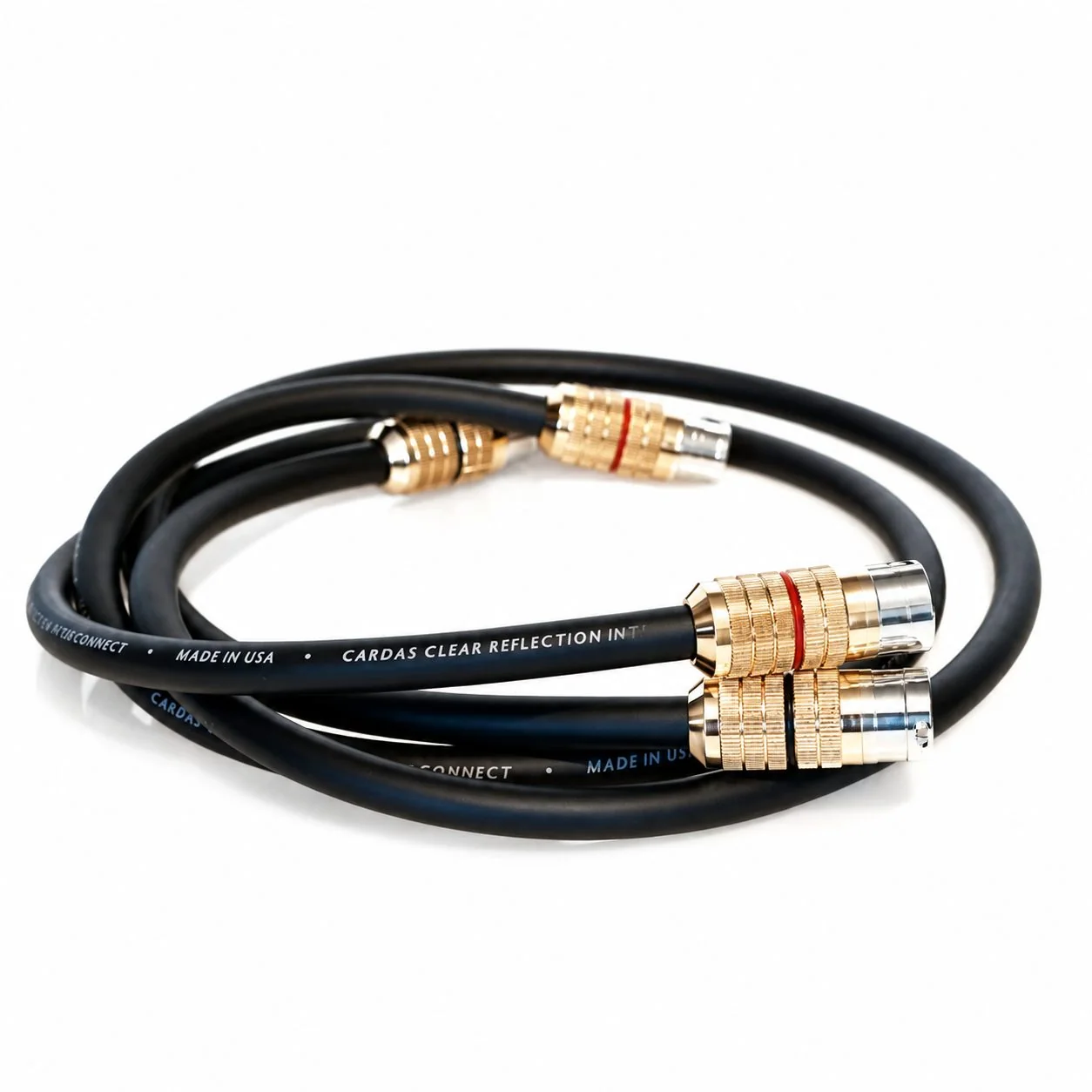
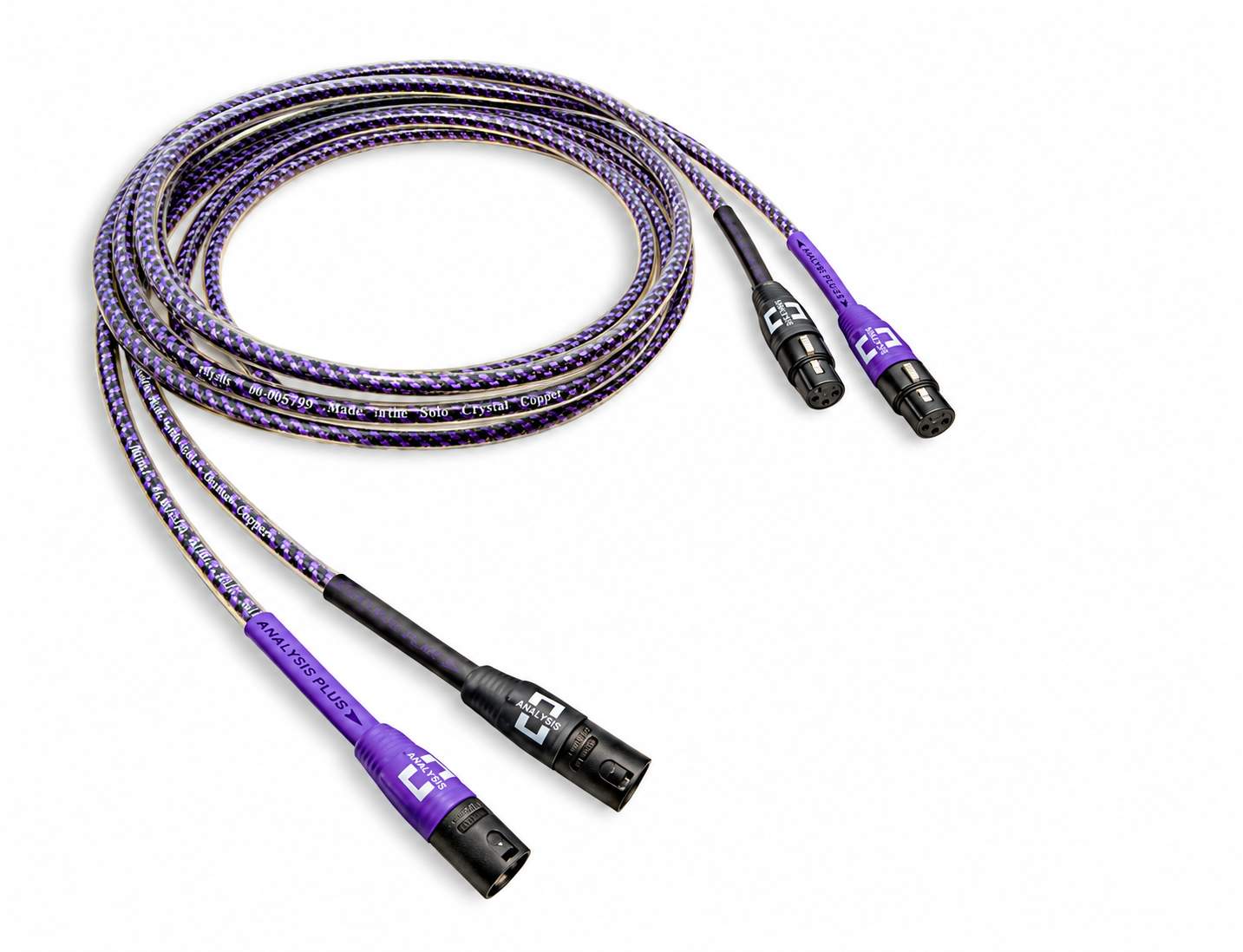
Cardas Audio's Clear Reflection is the cable Cardas built to bring flagship-level performance to real-world systems. Cardas says it pays homage to the Golden Reference, its long-running classic. It blends the best of the old with the best of the new. It is hand terminated in Bandon, Oregon.
Other length & termination options are available. Call us to discuss your needs.
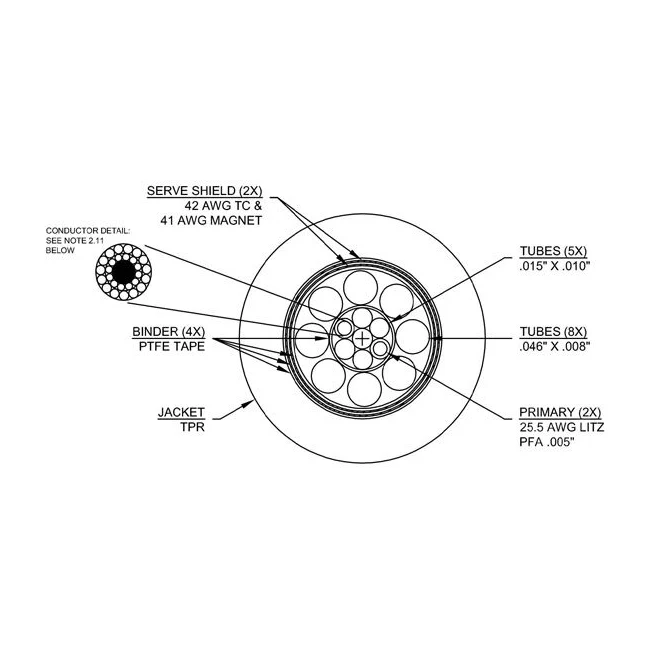
The conductors are Cardas Grade 1 copper, 99.9999% pure, in Litz form with every strand enamel coated. Each is a Matched Propagation conductor on a Kevlar core. Two run at 25.5 AWG, twisted together as a suspended air-core pair inside anti-static LDPE air tubes.
Carbon-impregnated PTFE tape binds the pair. A second ring of PTFE air tubes, scaled 1.618 times larger than the core tubes, holds two composite shields of tinned copper and magnet wire away from the conductors. An extruded PFA jacket insulates each conductor. Black ultra-soft TPR covers the cable at 10.66 mm across.
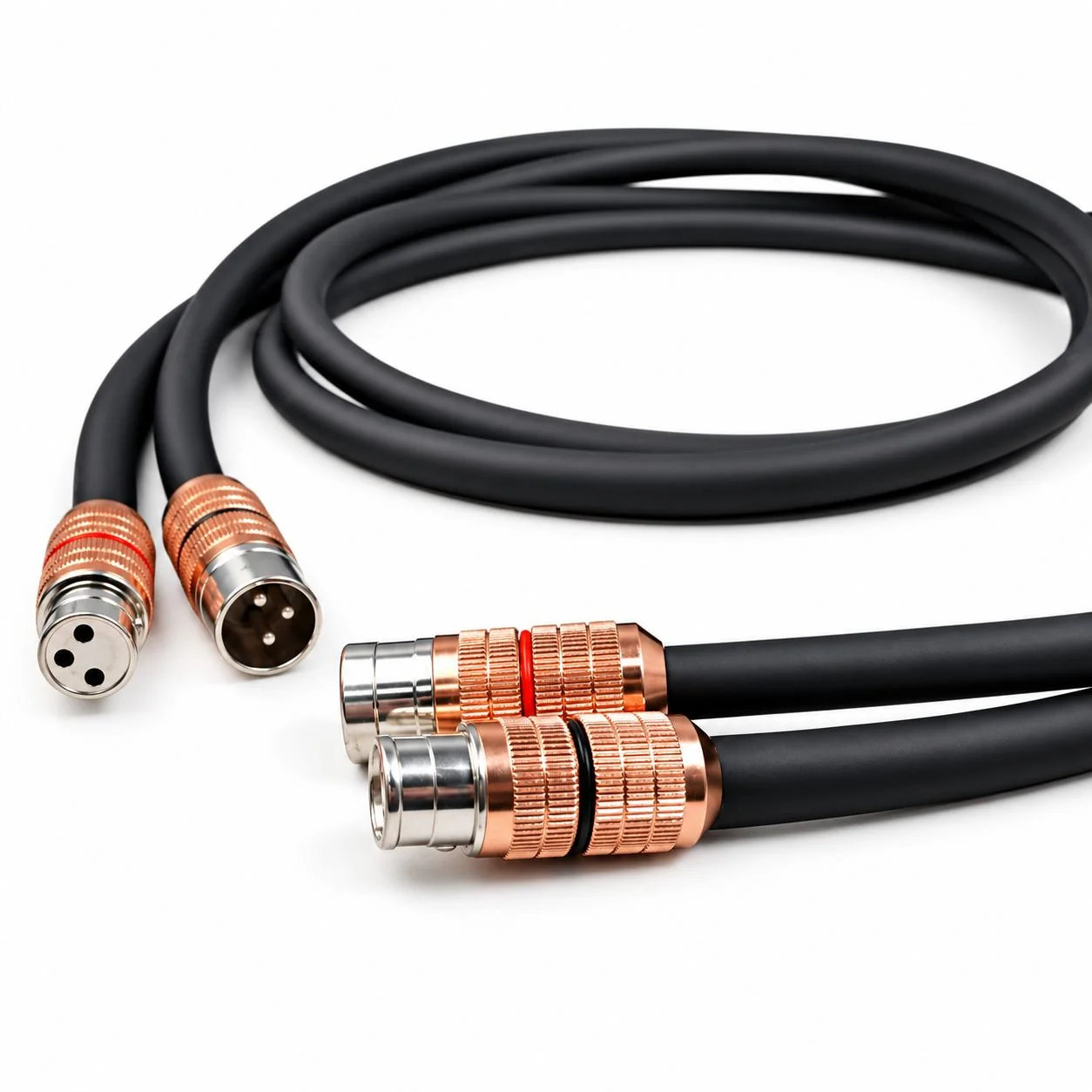
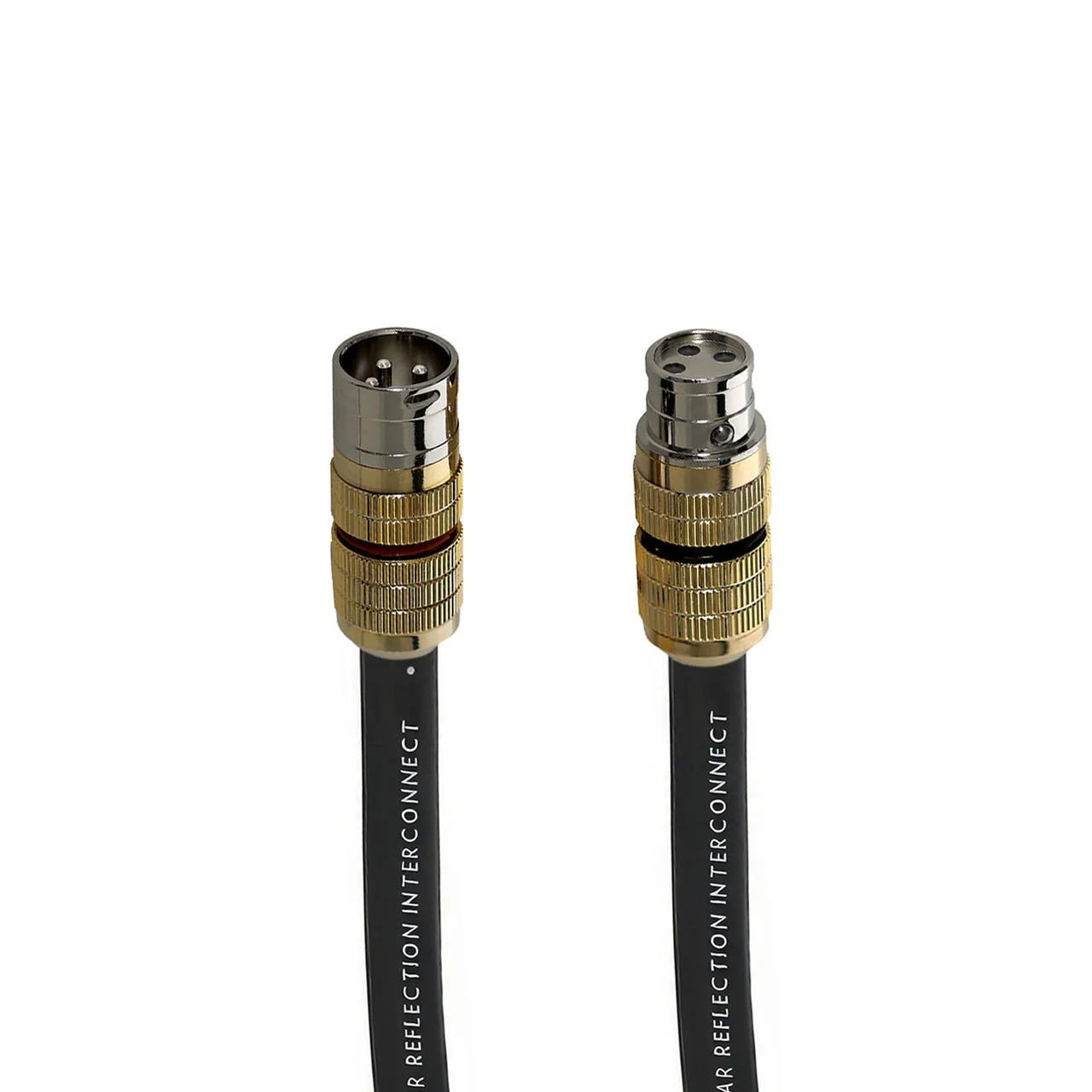
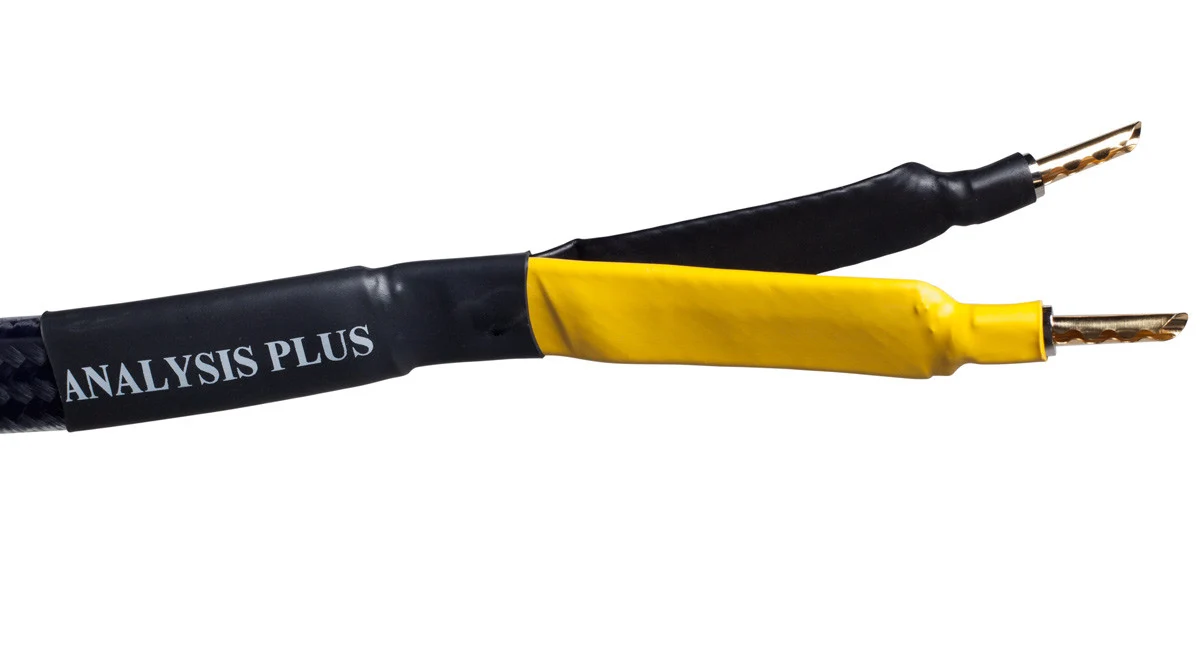
Clear Reflection is where the balanced Cardas line moves from the CE XLR to the reference CG XLR. Here it comes in a copper finish Cardas calls the CG XLR-CU. Under the color it is a three-piece threaded brass body. The contacts are silver under a rhodium flash. A fourth solder pin bonds the shell.
Cardas introduced a copper-colored plug for this cable. On the balanced version it is the CG XLR-CU. It matches the black and copper look of the Clear Reflection speaker cable. A full loom reads as one set.
Kirk Midtskog, reviewing for The Absolute Sound on August 18, 2015, heard "commendable levels of apparent speed, dynamic range, and overall resolution." He wrote that "everything sounded organized and clean, without much interstitial noise."
Alan Sircom, in hi-fi+ on June 27, 2015, put it this way: "This is a cable that abides by the old Hippocratic Oath; first, do no harm."
The Absolute Sound went on to recommend the Clear Reflection in its 2016 Buyers Guide to Cables, Power Products, Accessories & Music.
Run the Clear Reflection from a balanced XLR output on your DAC, streamer, CD player or phono stage to a balanced XLR input on your preamp or amplifier. Keep left to left and right to right. Line up the pins and push until the latch clicks. Press the latch tab to release the plug.
Then leave it alone. Cardas says its cables settle with use, so plug in and listen.
Measure the route the cable will really take between your components, around shelves and behind the rack. Then add a little slack. As audio legend George Cardas puts it, "A cable that's just long enough usually turns out to be just not long enough." Keep the left and right cables the same length. We recommend a matched pair.
Balanced XLR works when both components have XLR jacks, and we recommend using XLRs whenever they do. If one component has only RCA jacks, use an RCA cable instead of an adapter. You only get the possible benefits of a balanced output with a pure XLR-to-XLR connection.
If your amplifier and speakers sit far from your source, we recommend a long interconnect over a long speaker cable. A really long interconnect affects system performance less than a really long speaker cable.
An interconnect often stays in a system for years, so it is easy to overlook. Look again when something else changes: a new DAC, streamer or phono stage, a better amplifier, or a move to components with balanced XLR jacks.
An interconnect is one link in the chain. It usually joins these categories.
Cardas's reference CG XLR in a copper finish. Under the color it is the same plug. Threaded brass body, silver contacts with a rhodium flash, a fourth solder pin to the shell, and an O-ring to mark the channel.
Cardas's conductor design. The twist rate of each strand layer is set so the signal in the copper travels at the same speed as the charge in the insulation. Cardas says that keeps low-level detail intact.
Cardas says at most 200 hours, and usually half that. Its advice is simple: "Plug them in, leave them plugged in, and enjoy your life."
A lifetime warranty. Every Litz strand is sealed in enamel, so the copper does not oxidize. Cardas says that is why its cables last.
Cardas Clear XLR is the next rung. It moves to three conductors in an equilateral triad, with strands drawn down to 41 gauge, and the CG XLR plug.
Audio Advisor's tour of the Cardas factory in Bandon, where the Clear Reflection is built and terminated.
Audio Advisor walks through Cardas cable construction, from Litz strands to hand-soldered plugs.
The most popular configurations are shown on this page. If your system requires a different length or termination, call our audio experts. We’ll help you choose the right configuration and arrange a custom cable for your system.
Want to learn more about interconnects, building a matched loom, or RCA versus XLR? Visit our Learning Center for guides, tips, and expert advice.
Choose which cookies you'd like to allow. Necessary cookies keep the site working and can't be switched off.