{{ variable.name }} : {{ variable.values[selectedVariantsIndex[variable_index]].name }}
Quantity:
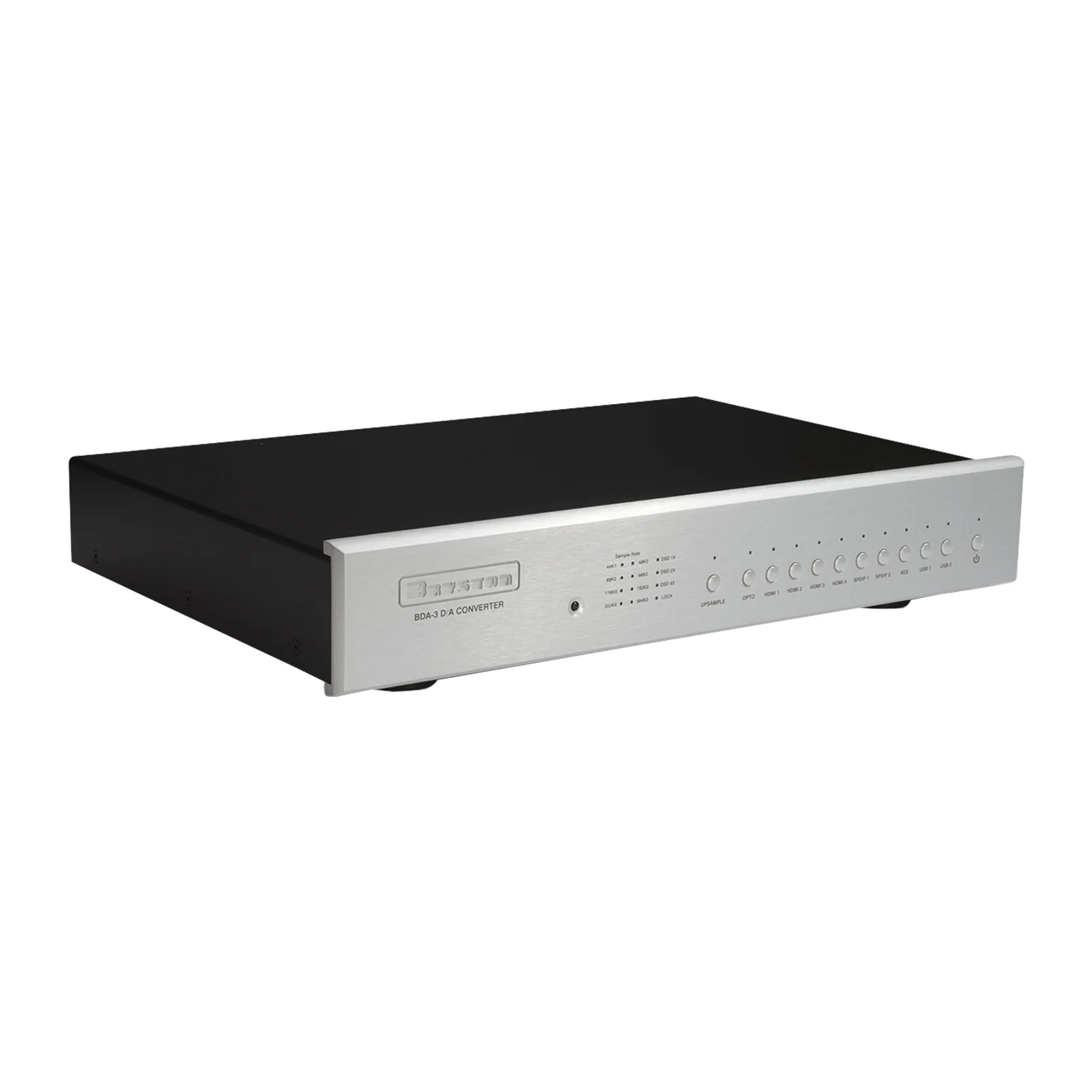
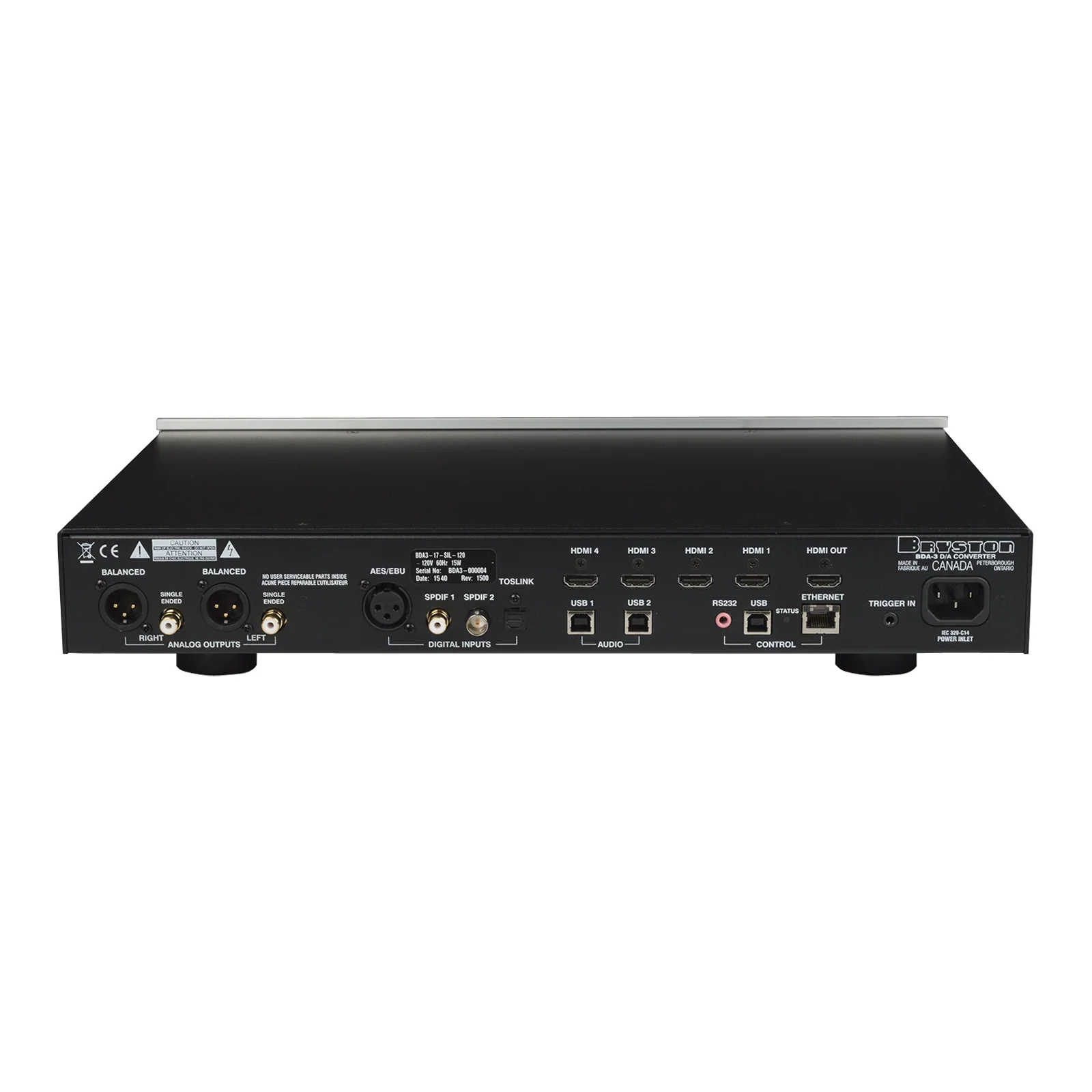
Most standalone DACs give you a USB port, a coax input and an optical one, and assume your digital life fits through them. The Bryston BDA-3 has ten digital inputs, and four of them are HDMI.
That is a feature almost nothing else at this level offers. HDMI is how an SACD or Blu-ray player gets its audio out, so the BDA-3 can take a DSD bitstream straight off a disc, and its HDMI output passes 4K video through to your display.
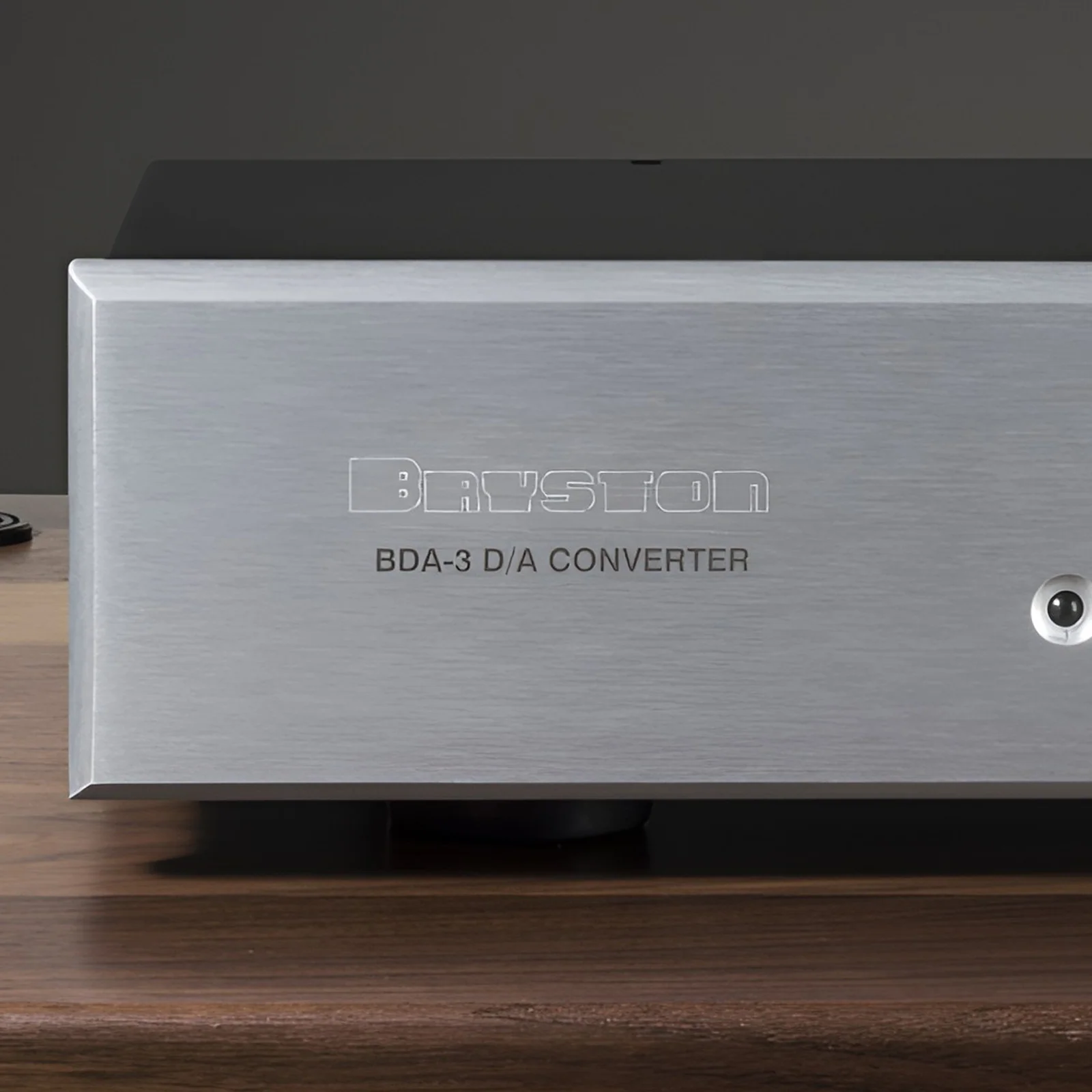
Two USB inputs is itself unusual: a music server and a laptop can both stay connected. The BDA-3 is built in Peterborough, Ontario, stands 3.63 inches tall by 11.12 inches deep, and comes with a 17-inch or 19-inch faceplate in black or silver.
Inside are two 32-bit AKM AK4490EQ converters run in dual-mono, which buys roughly 3 dB of signal-to-noise over a single chip. Their output feeds Bryston’s own discrete, fully balanced class-A analog stage.
Before any of that, the BDA-3 strips the timing information embedded in the incoming data and reclocks it against its own master clock. The analog and digital sections have separate signal paths and separate power supplies, fed by a large toroidal transformer.
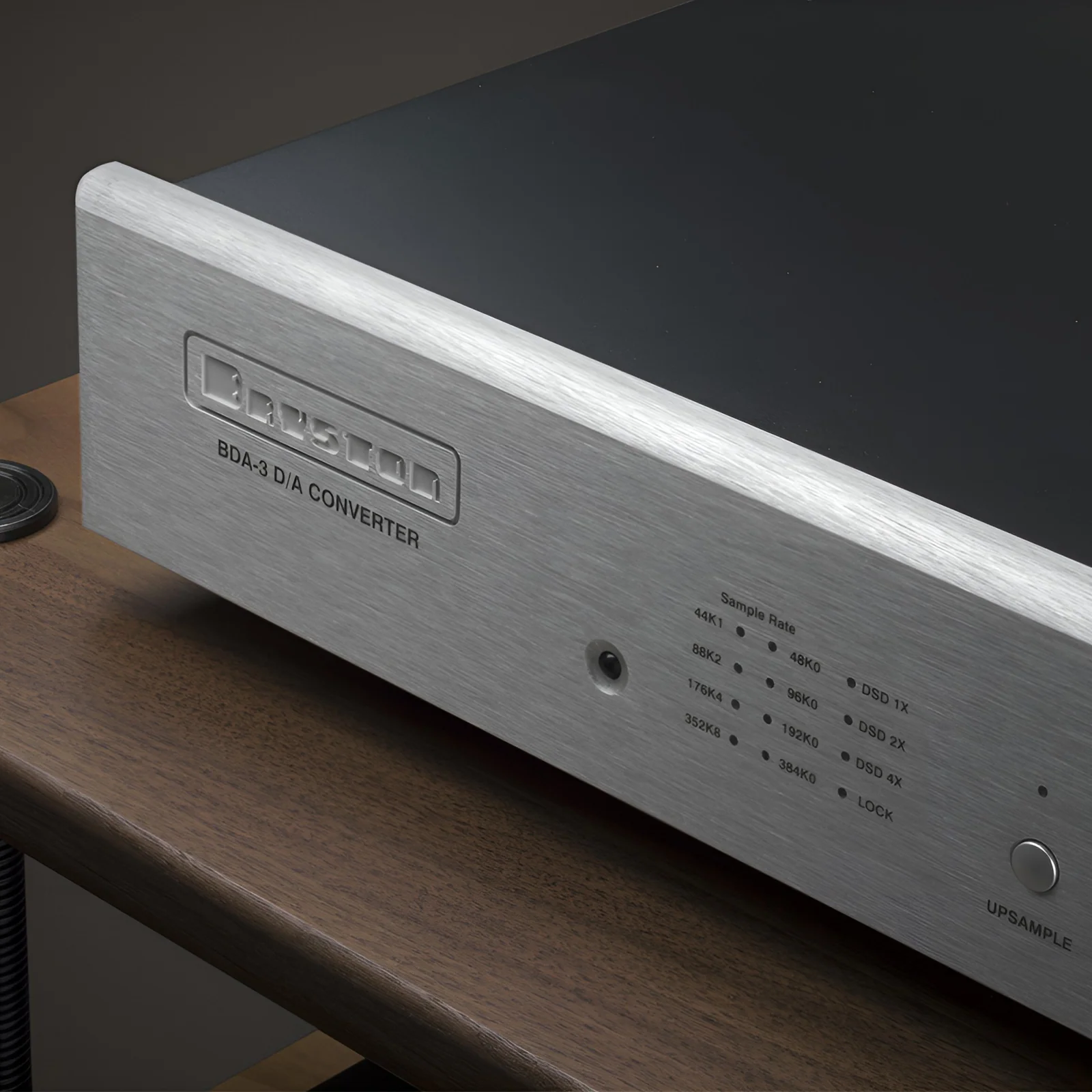
Resolution depends on the input. USB handles PCM to 32-bit/384 kHz and DSD to DSD256. AES/EBU and S/PDIF go to 24/192, optical to 24/96, and HDMI to 24/192 plus DSD64 from SACD.
Carlo Lo Raso reviewed the BDA-3 for Secrets of Home Theater and High Fidelity on 15 January 2018, with bench measurements, and gave it a Best of 2018 award. His verdict: "The Bryston BDA-3 is an exceptionally transparent piece of audio gear." He found it imparted no sonic signature on any input, and called its detail retrieval outstanding.
His measurements turned up one thing worth knowing. The HDMI inputs showed slightly more jitter-related sidebands than S/PDIF or USB, and marginally higher distortion, though he noted you would not hear it. He also wanted a remote included rather than sold separately.
Pick your input by what the source can give you. A computer or server goes to USB, where the ceiling is highest. A CD transport goes to AES/EBU or BNC. A disc player sending DSD goes to HDMI, and its video carries on through the HDMI output.
Balanced XLR output gives 4V, single-ended RCA 2V. Front-panel buttons select each of the ten inputs directly, with LEDs showing sample rate, format and lock. Plug in what you have, press the right button, and listen.
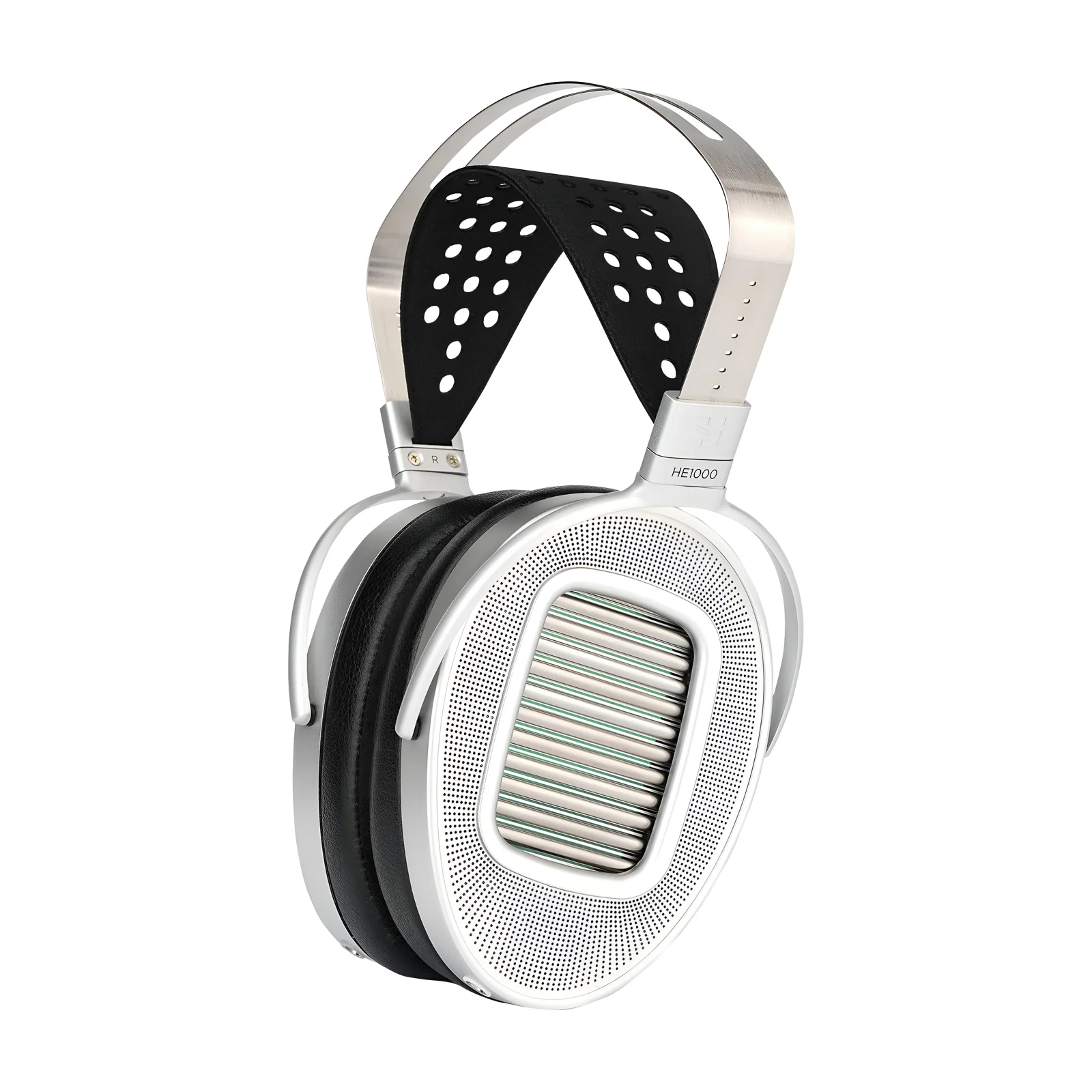
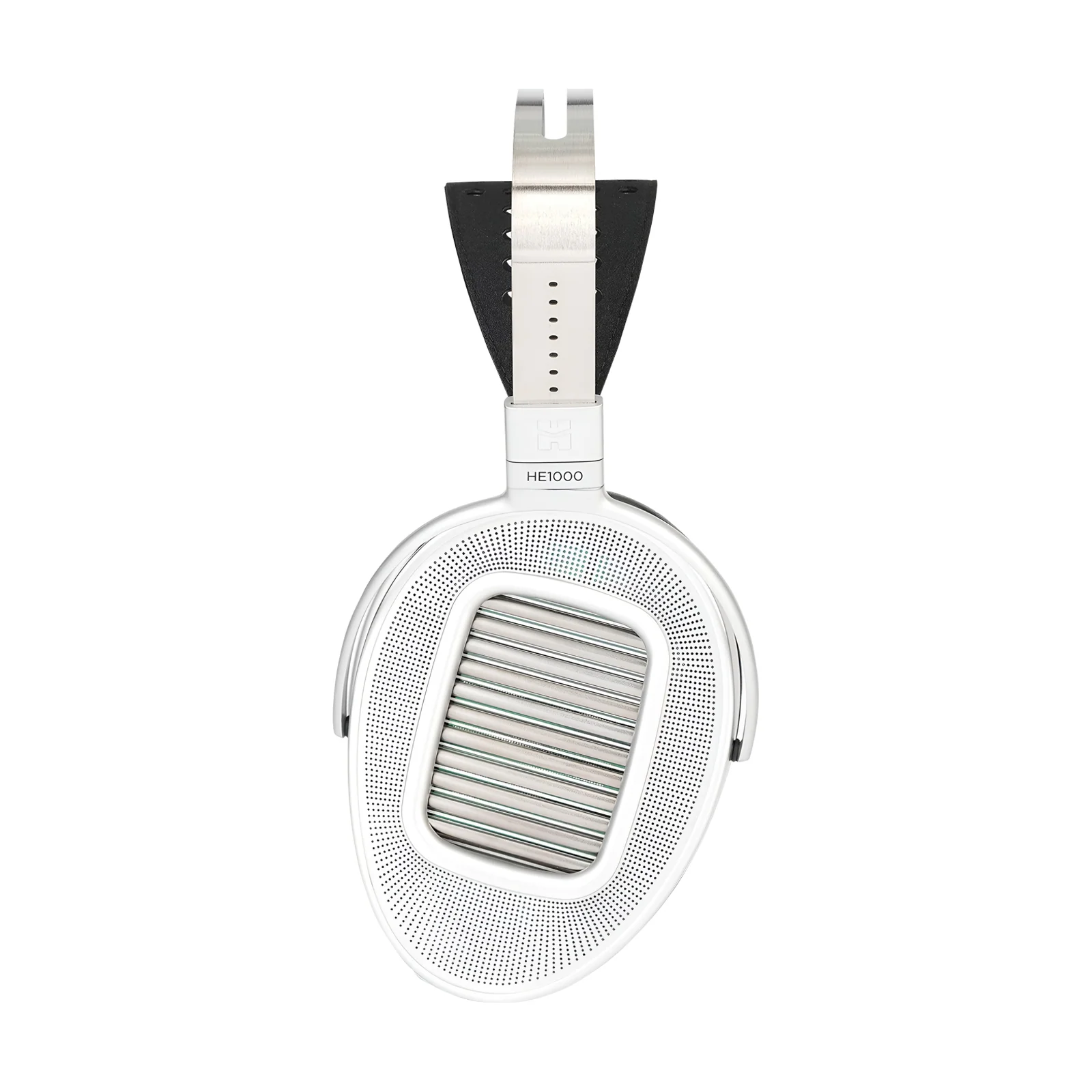
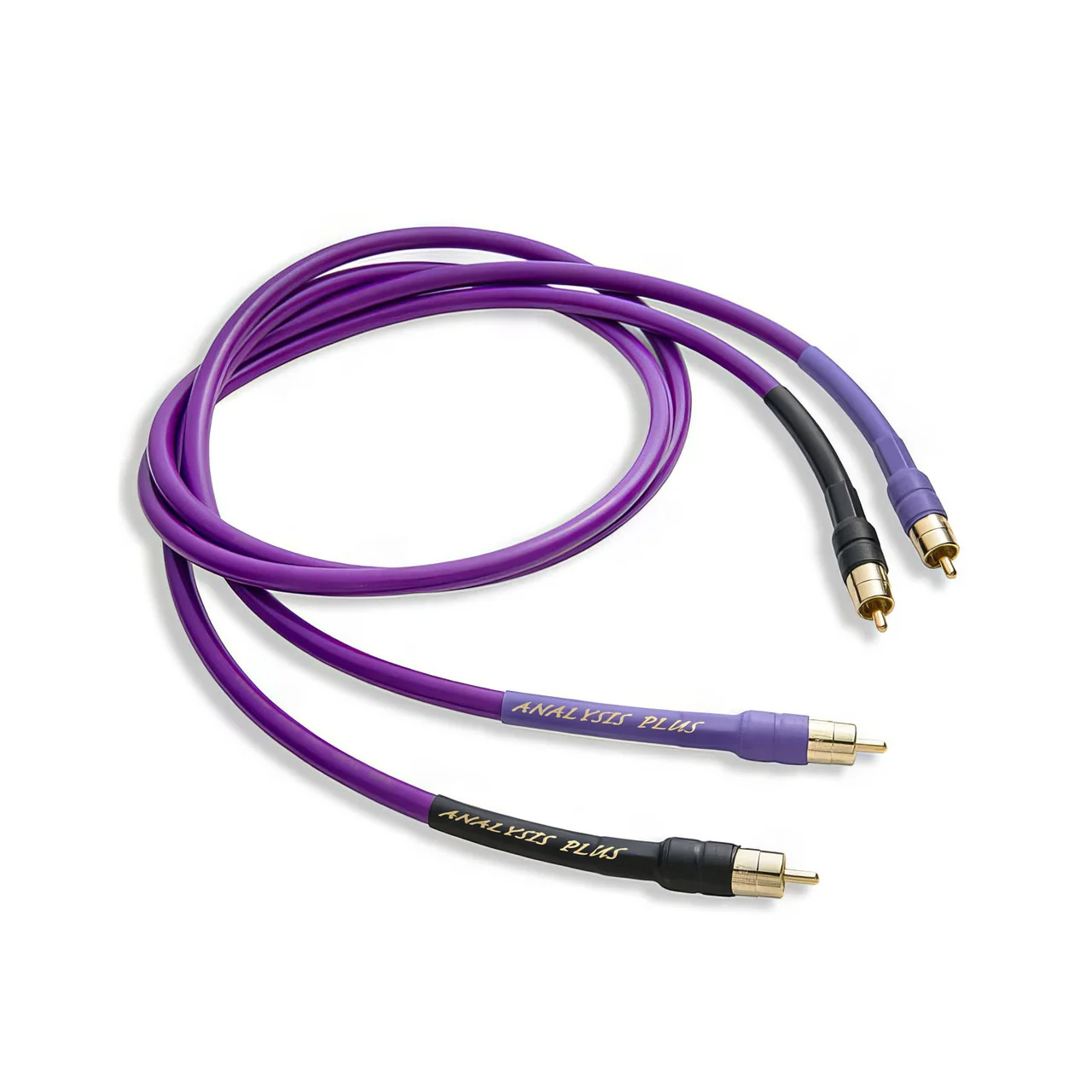
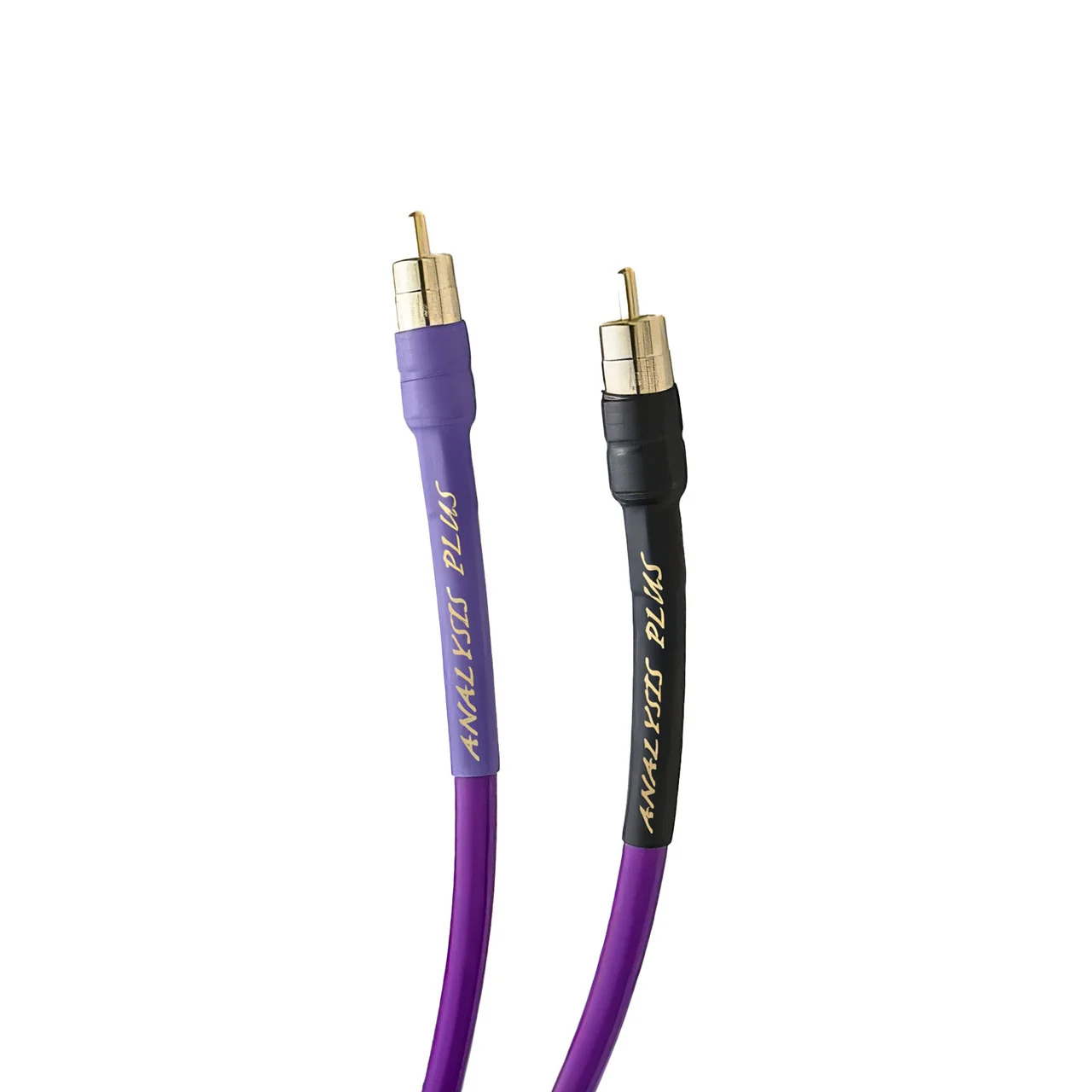
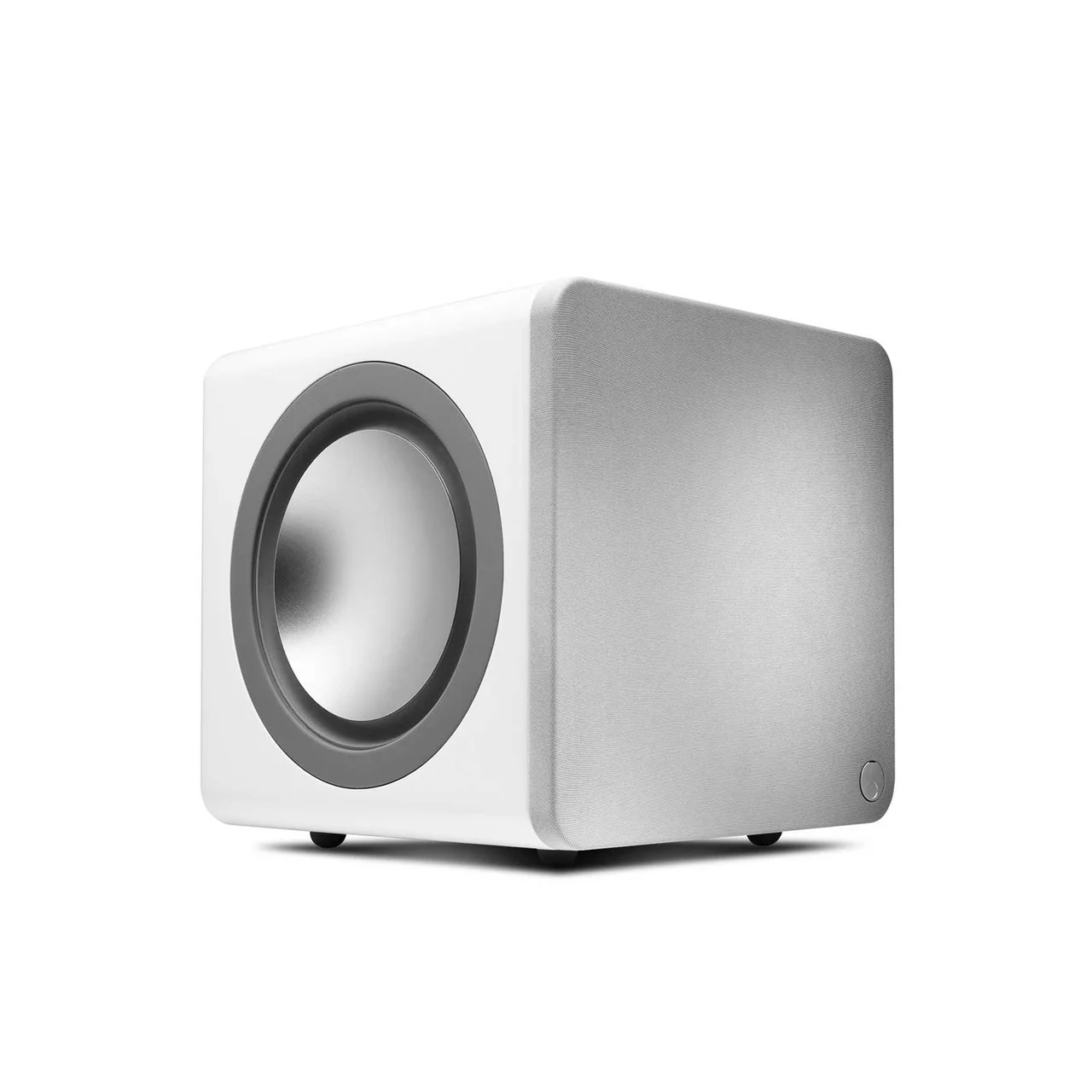
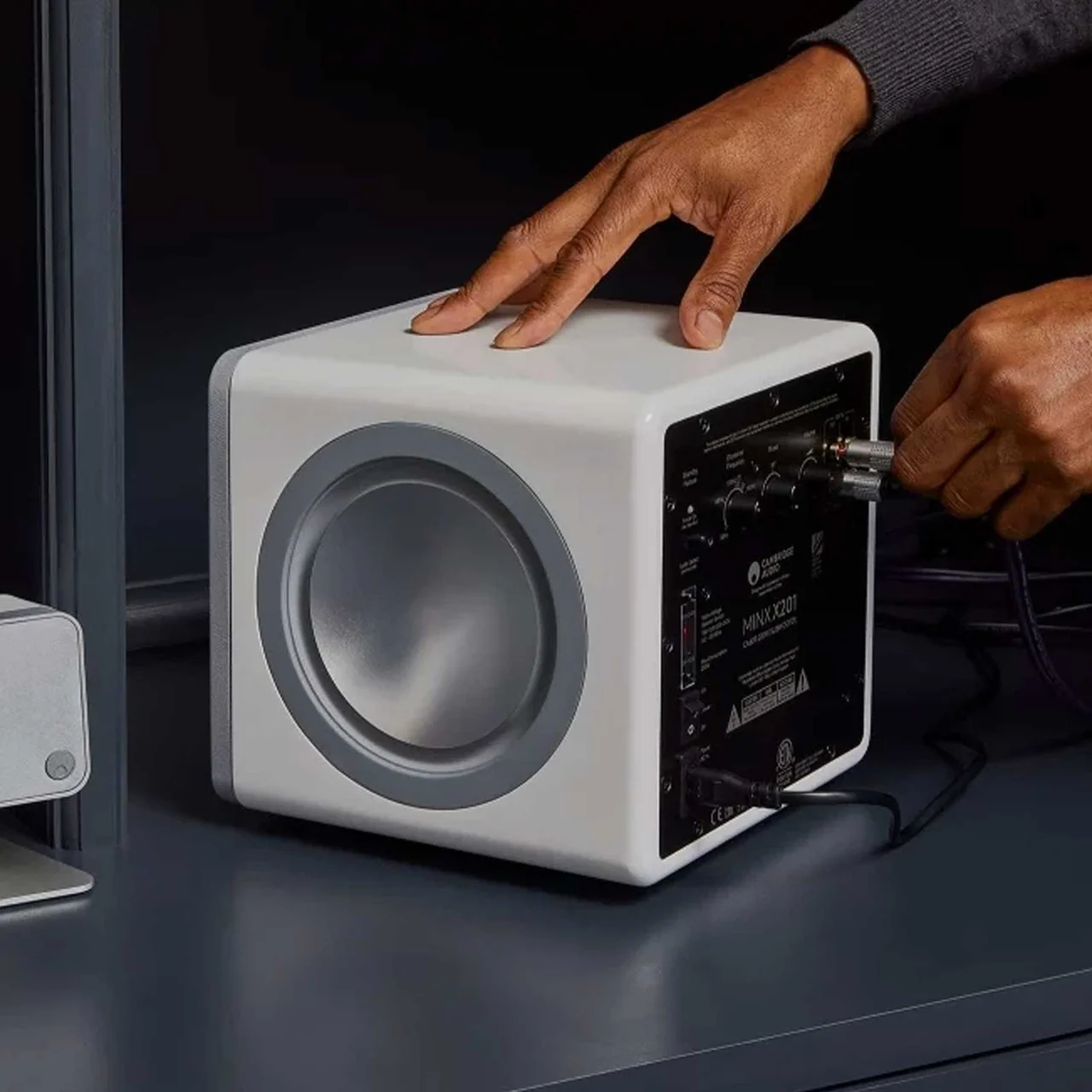
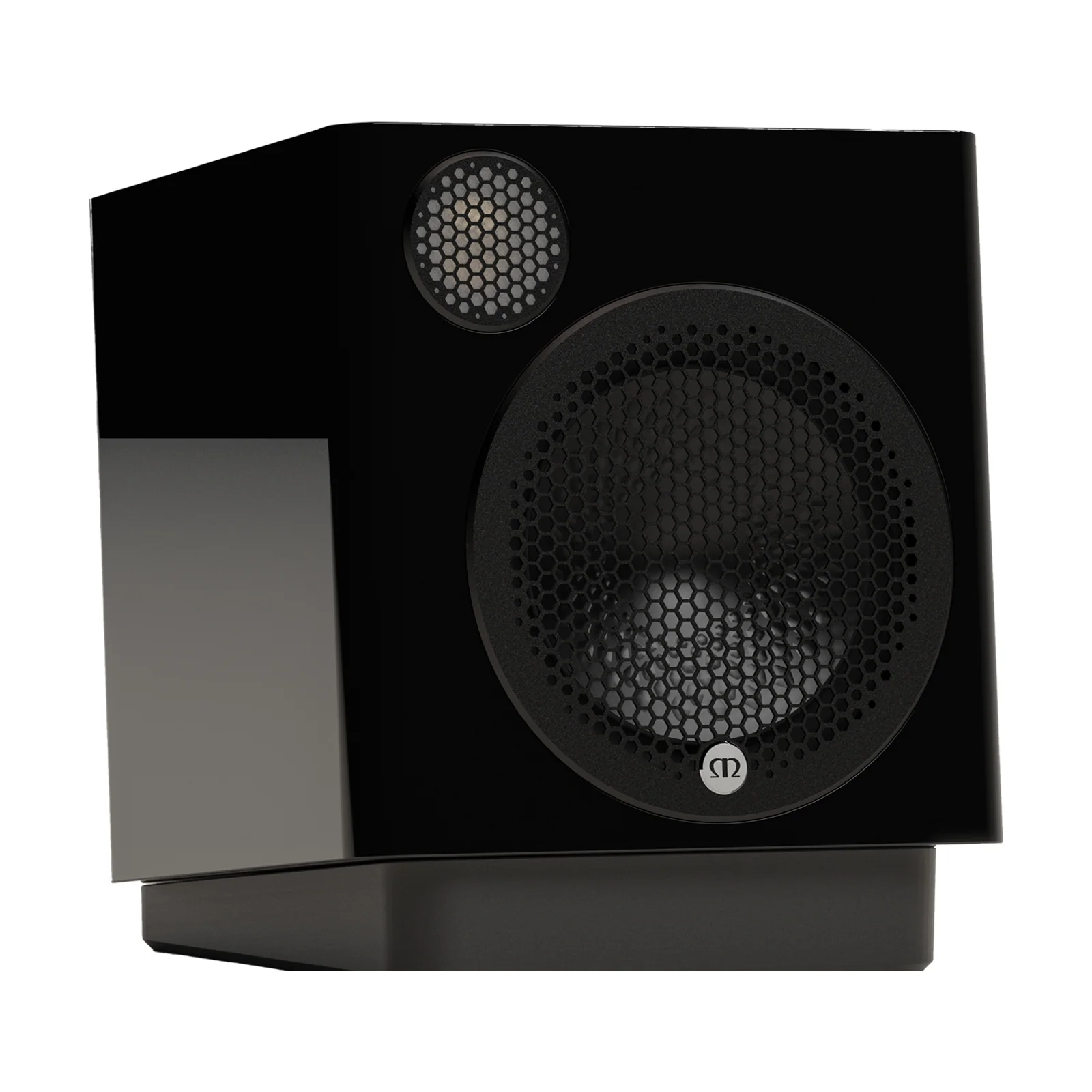
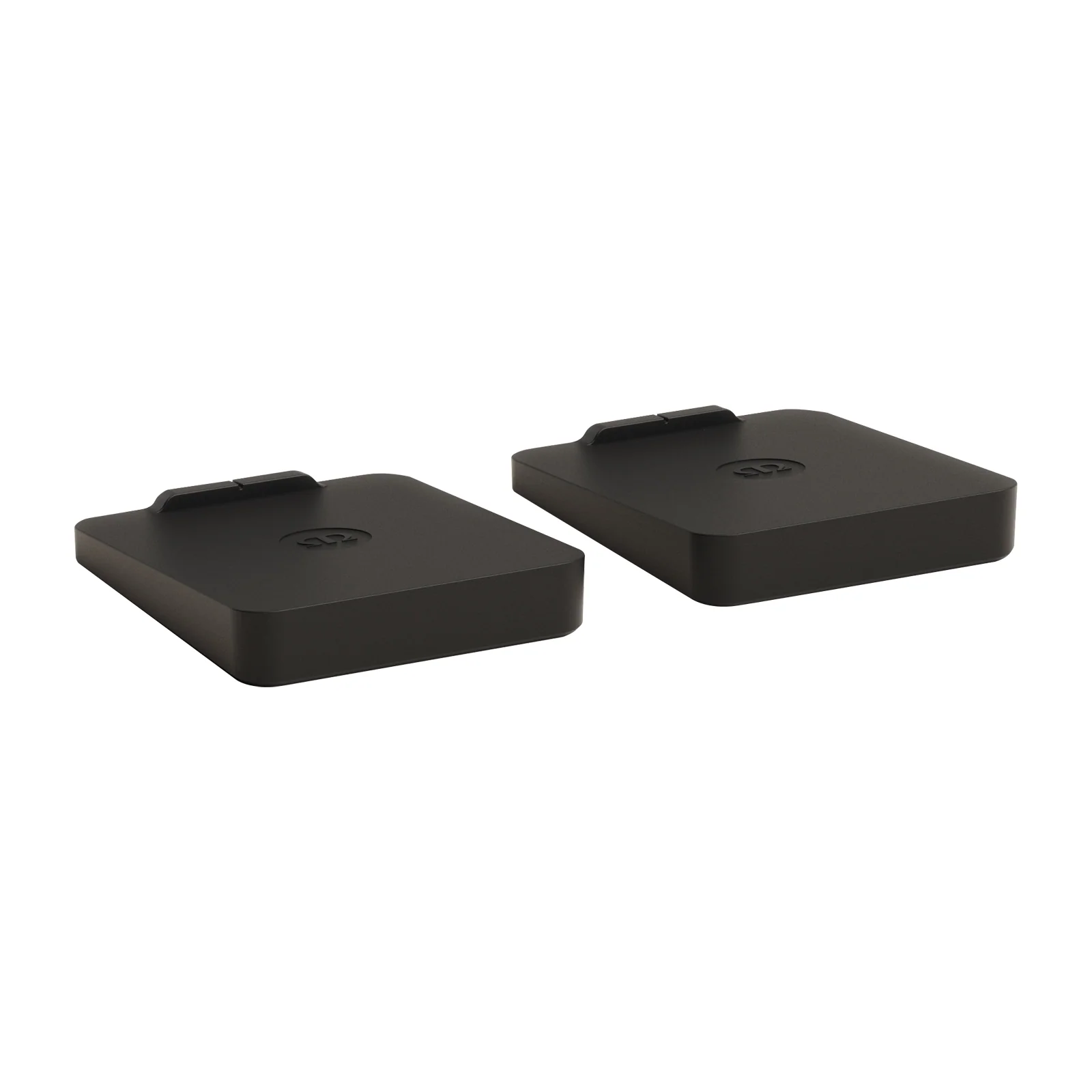
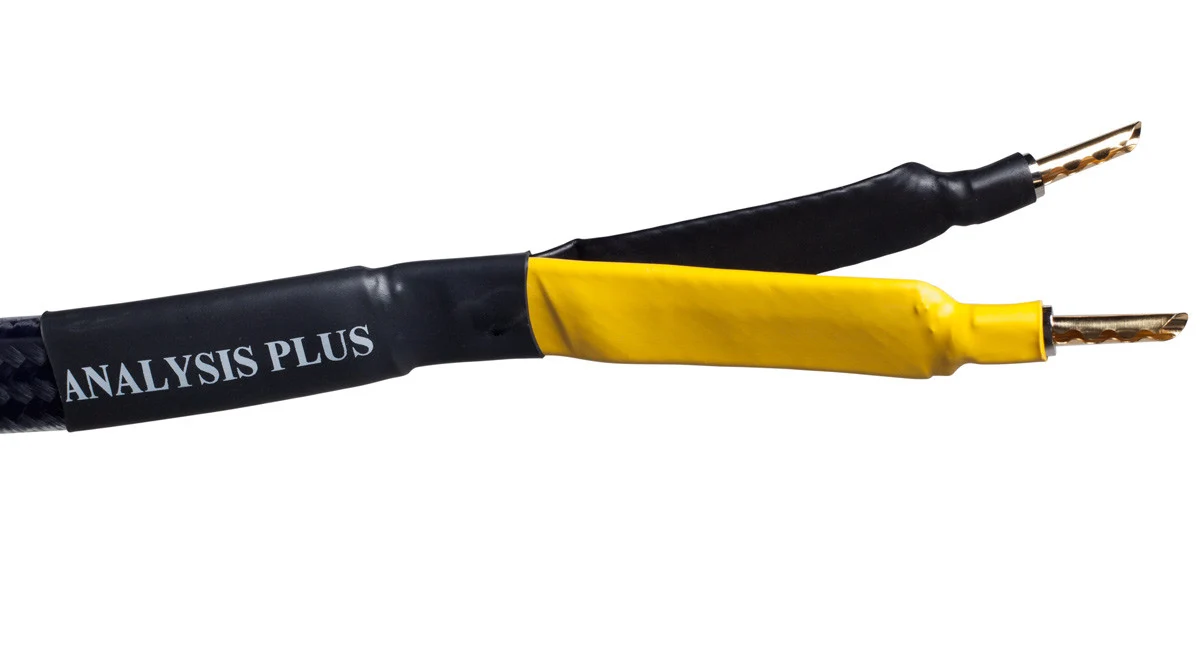
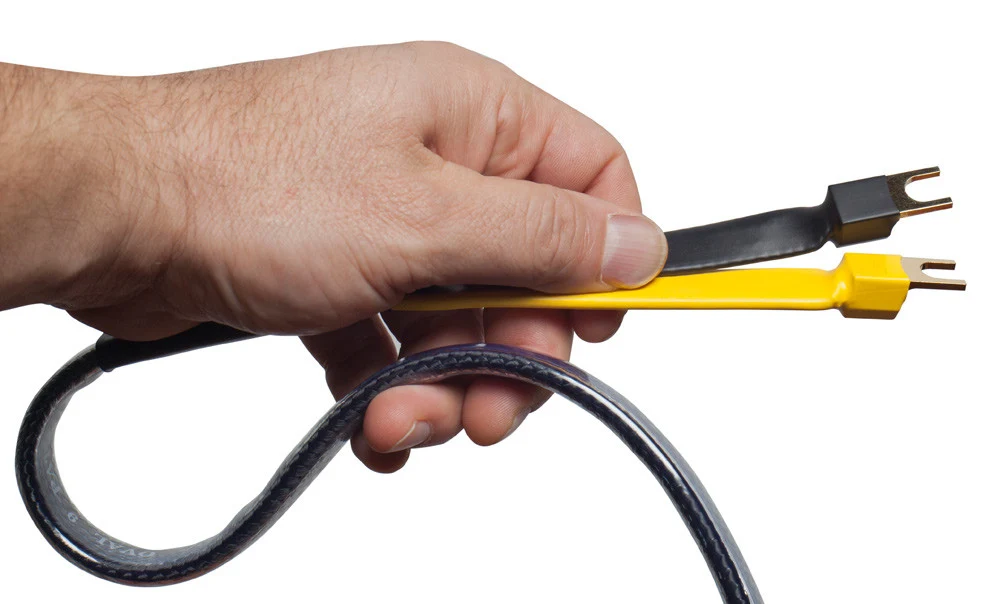
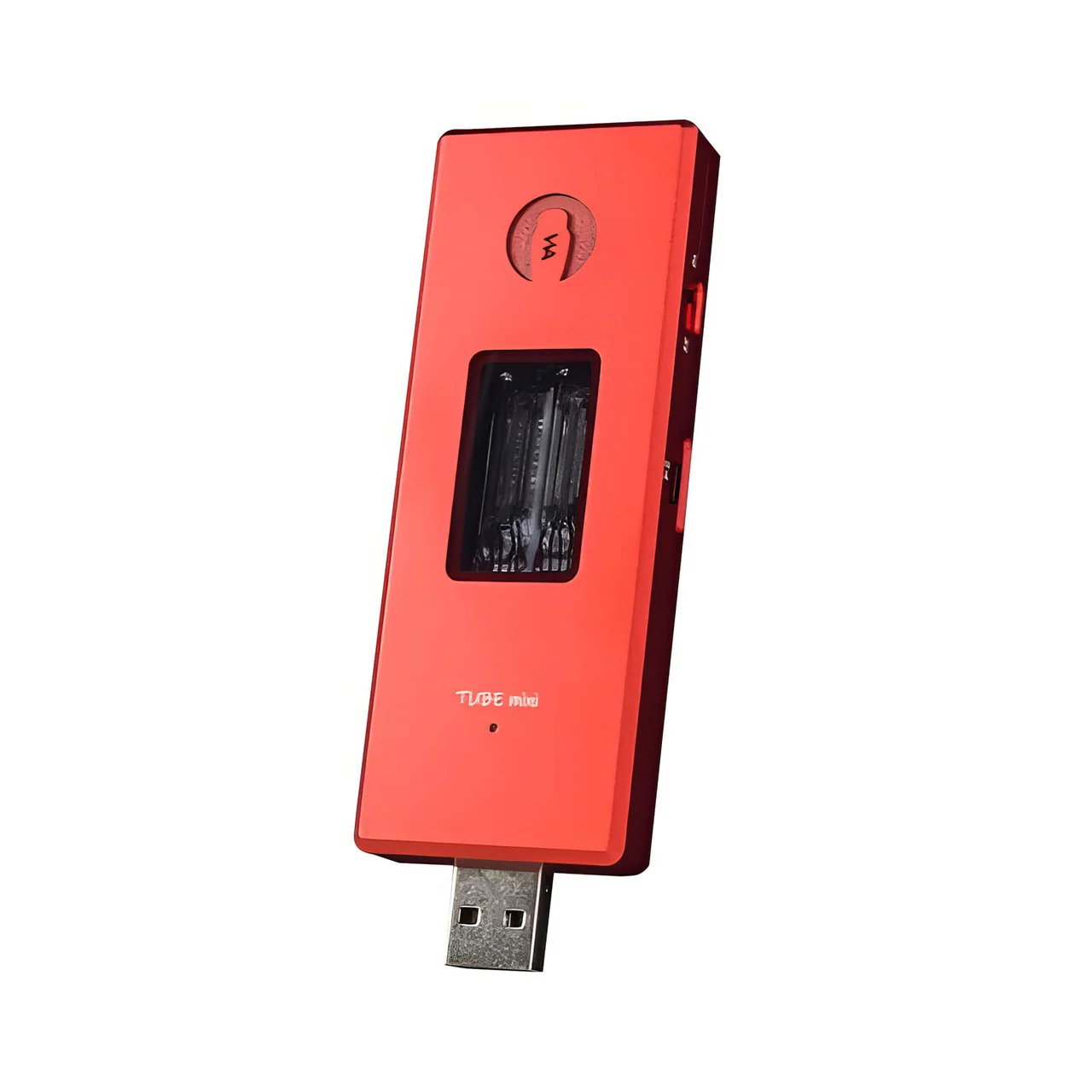
Here is what usually sits around it.
Ten: four HDMI, two asynchronous USB 2.0 Type B, one AES/EBU on XLR, one S/PDIF on BNC, one S/PDIF on RCA, and one optical TosLink.
Yes. Up to DSD256 over USB, natively or as DSD over PCM, and DSD64 over HDMI from an SACD player.
Yes. The HDMI output passes video through while the BDA-3 handles the audio. One of the four HDMI inputs is HDCP 2.2 compliant.
No to both. The BDA-3 is two-channel and does not support MQA, Dolby Digital or DTS. Over HDMI it takes the two-channel stream only.
It takes 44.1 or 88.2 kHz to 176.4, and 48 or 96 kHz to 192. It works on the S/PDIF and AES/EBU inputs only, not USB or HDMI.
Want to learn more about DACs, DSD playback, or connecting digital sources? Visit our Learning Center for guides, tips, and expert advice.

Choose which cookies you'd like to allow. Necessary cookies keep the site working and can't be switched off.