{{ variable.name }} : {{ variable.values[selectedVariantsIndex[variable_index]].name }}
Quantity:
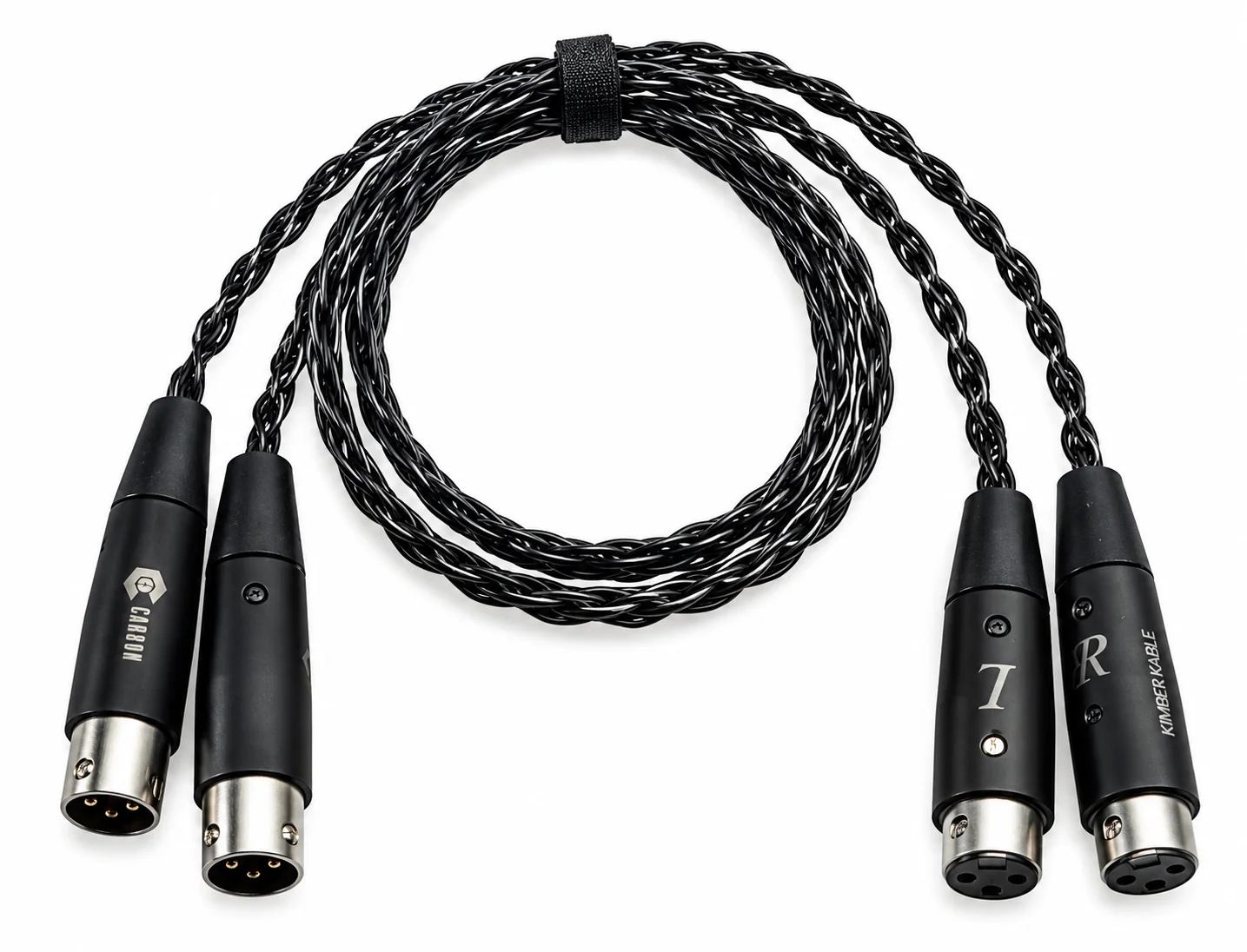
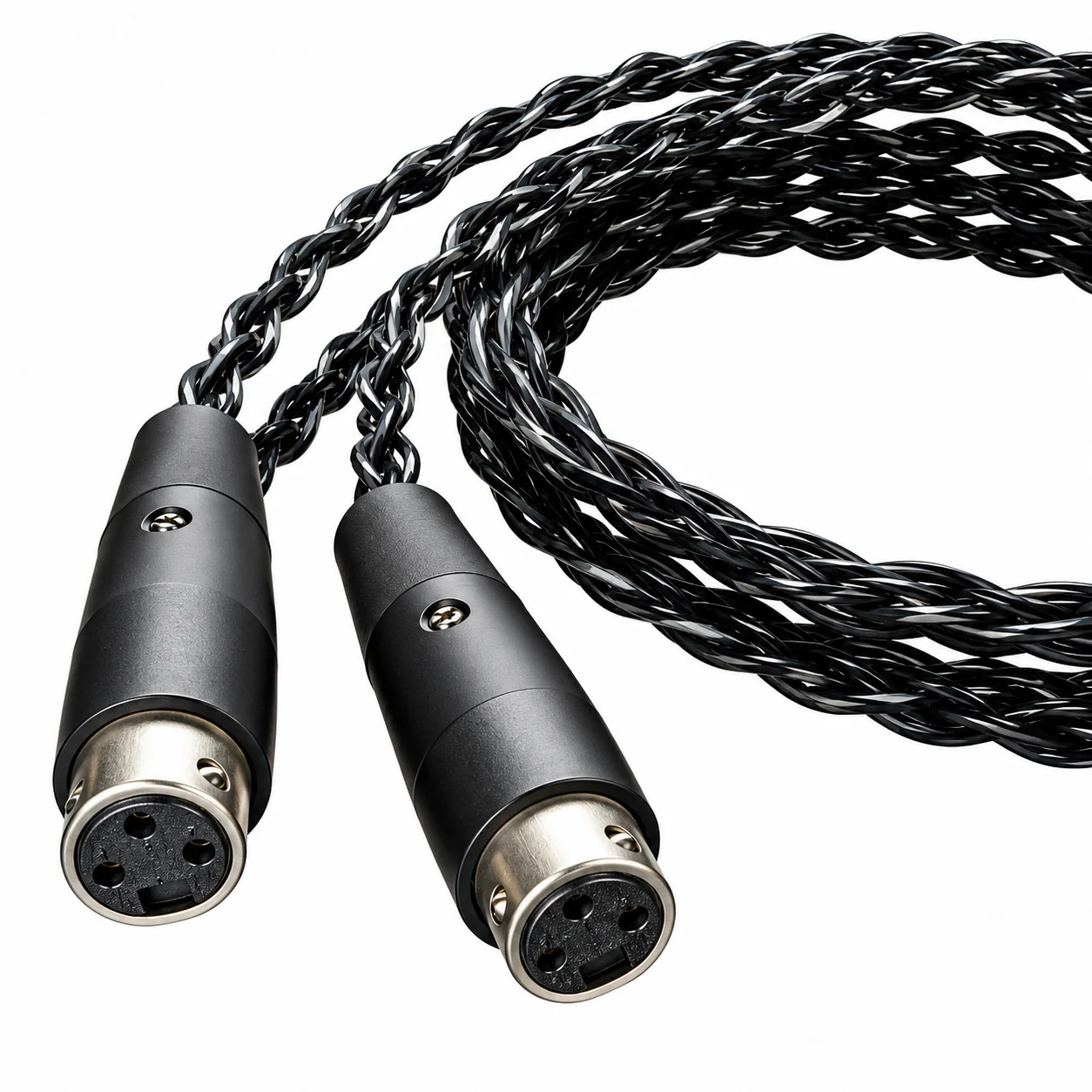
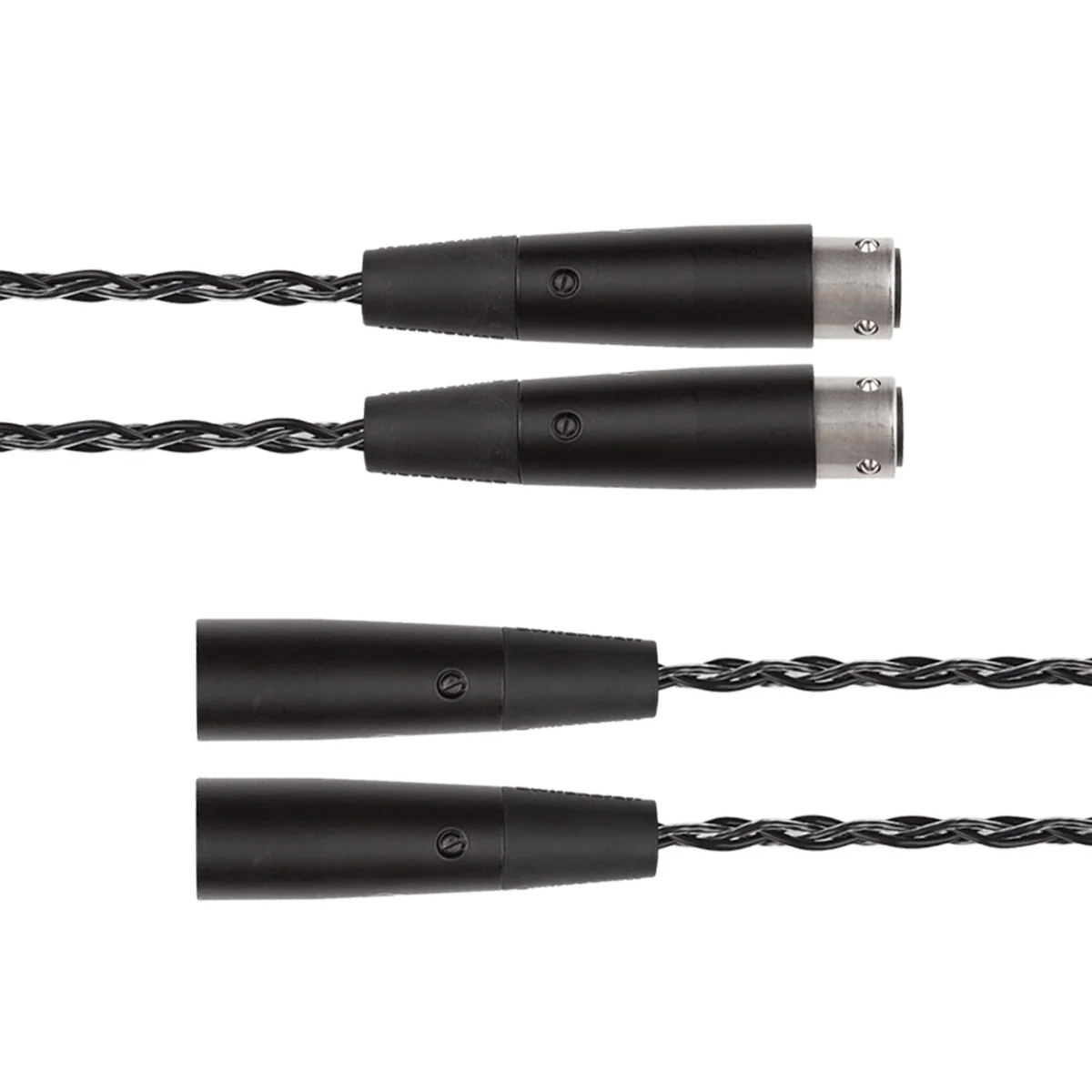
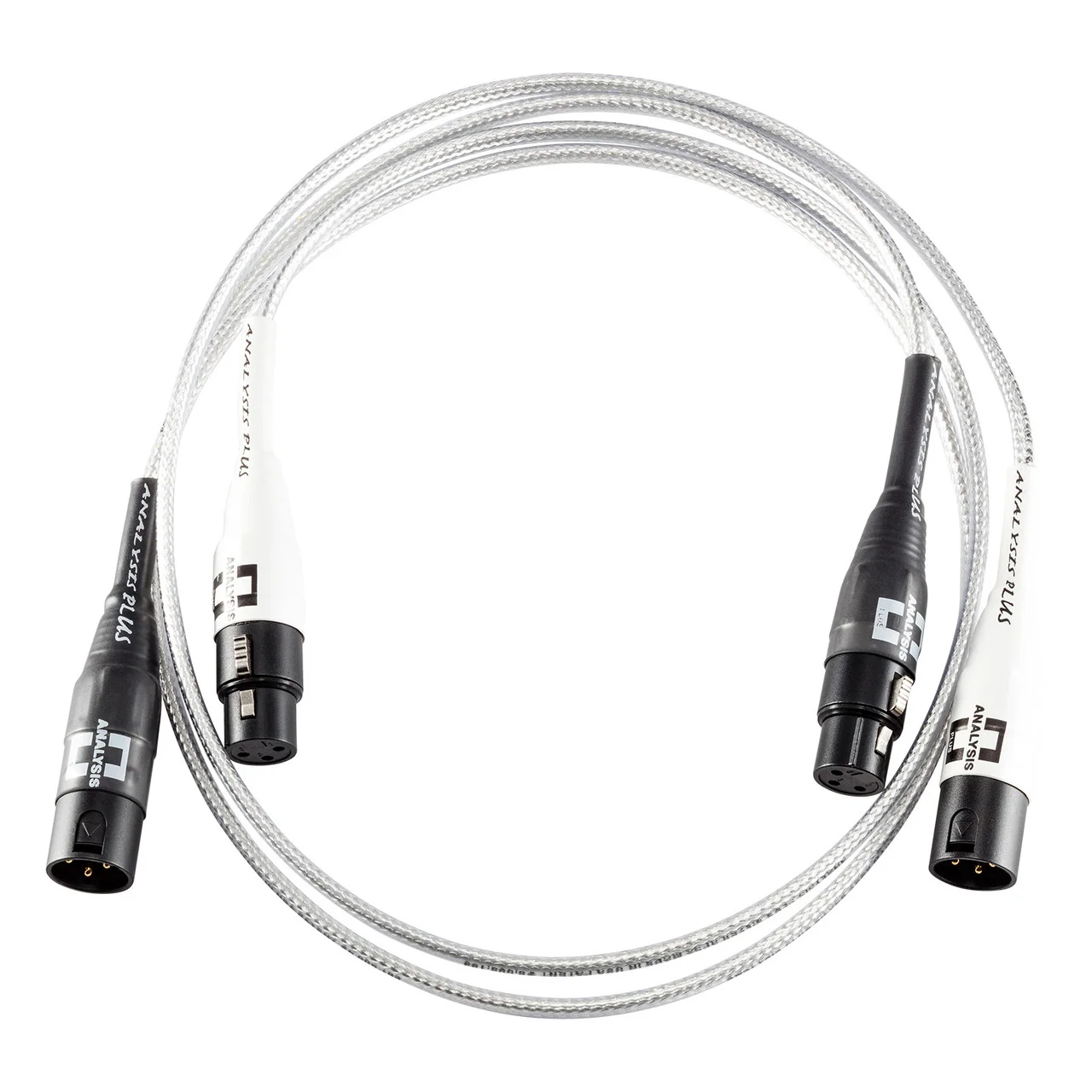
You can spot a Kimber cable across a room. The woven braid has been the company’s signature since 1979, and it is still here on the Carbon Ci4. What changed is invisible: a layer of electrostatically dissipative carbon polymer pressed over the conductors.
The Carbon interconnect arrived for Kimber’s fortieth anniversary as the first of the Carbon Series. This is the XLR version, a balanced stereo pair for connecting a source to a preamplifier, or a preamplifier to a power amplifier. Each channel uses four 19.5 AWG VariStrand copper conductors, eight across the pair, braided in Kimber’s counter-opposed helix.
The braid runs unbroken into the left and right connector legs, a technique Kimber developed for its Axios headphone cables.
Start at the conductor. Each one is VariStrand: seven strands of four different diameters, rather than a bundle of identical wires. Around that sits the carbon-infused polymer, which works as an electrostatic screen. A low-loss fluorocarbon dielectric goes on last.
Kimber says the layer reduces mechanically induced electrical noise and evens out the voltage gradient inside the dielectric. In plainer terms, a cable that is moved or vibrated generates a little noise of its own, and this layer targets that.
The numbers back up the quiet part. Hi-Fi News measured a loop resistance of 45 milliohms per metre, 86 pF per metre of parallel capacitance, and series inductance down at 0.28 µH per metre.
Paul Miller reviewed and measured the Carbon interconnect for Hi-Fi News in the January 2026 issue, where it earned an Editor’s Choice badge. His verdict: "Carbon seemingly brings composure, a quiet calm and dignity to performances." He heard balance, quietness and smooth detail, comparing the character to Kimber classics like the late-1980s 4TC speaker cable.
He was clear about what it is not. There is no forensic insight here, he writes, no sharpened leading edges and no plumping up of the bass. If you are shopping for a cable to add bite or slam to a system, this is the wrong one. Miller frames that restraint as the point, suited to long sessions rather than short demos.
Check both ends before you order. A balanced run needs a three-pin output on the source and a three-pin input on the amplifier, and plenty of gear has XLR jacks on only one of the two. Then measure the run and add a little slack.
The Carbon is sold as a stereo pair in fixed lengths, so pick the length that fits rather than coiling the excess. Plug it in, leave it alone, and let it settle.
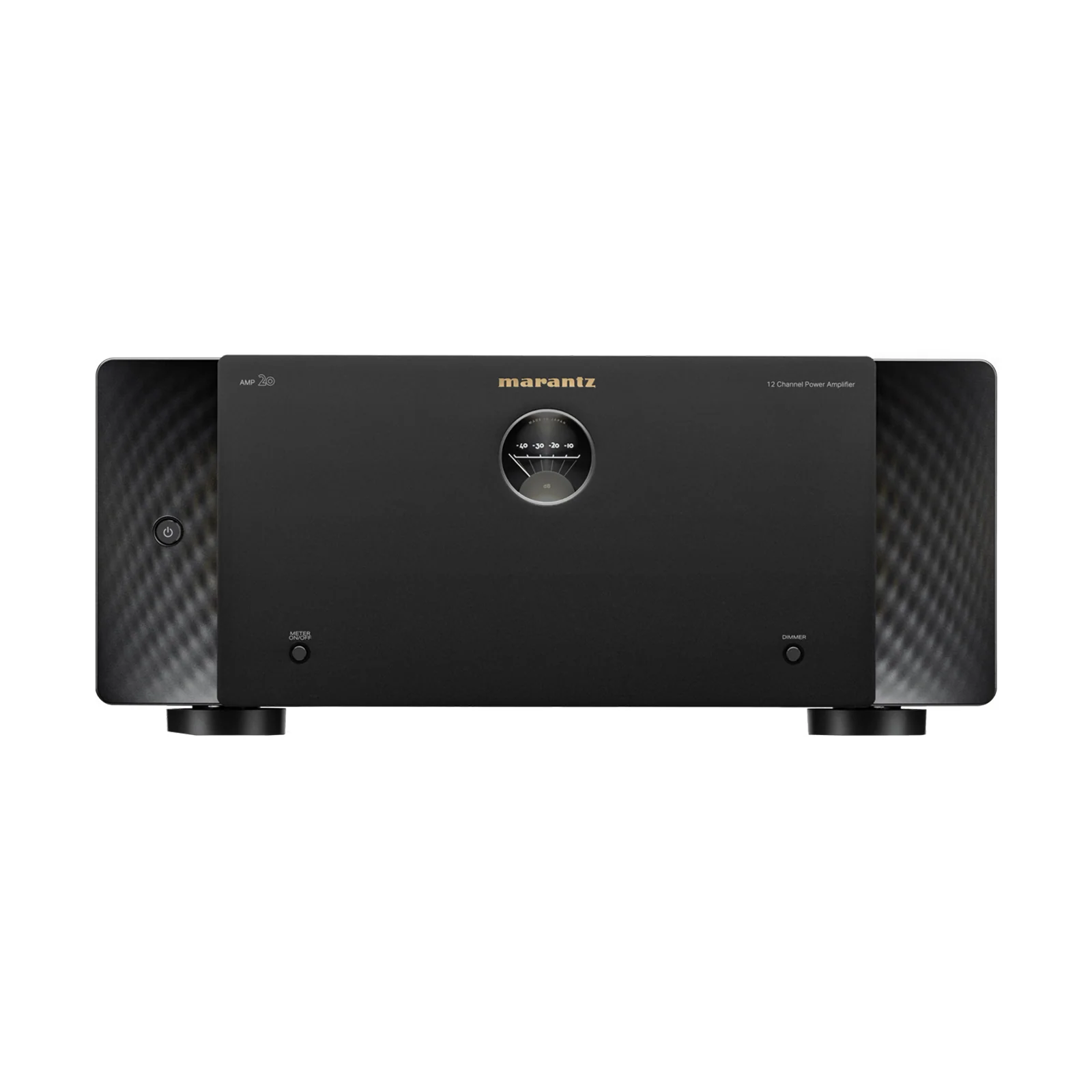
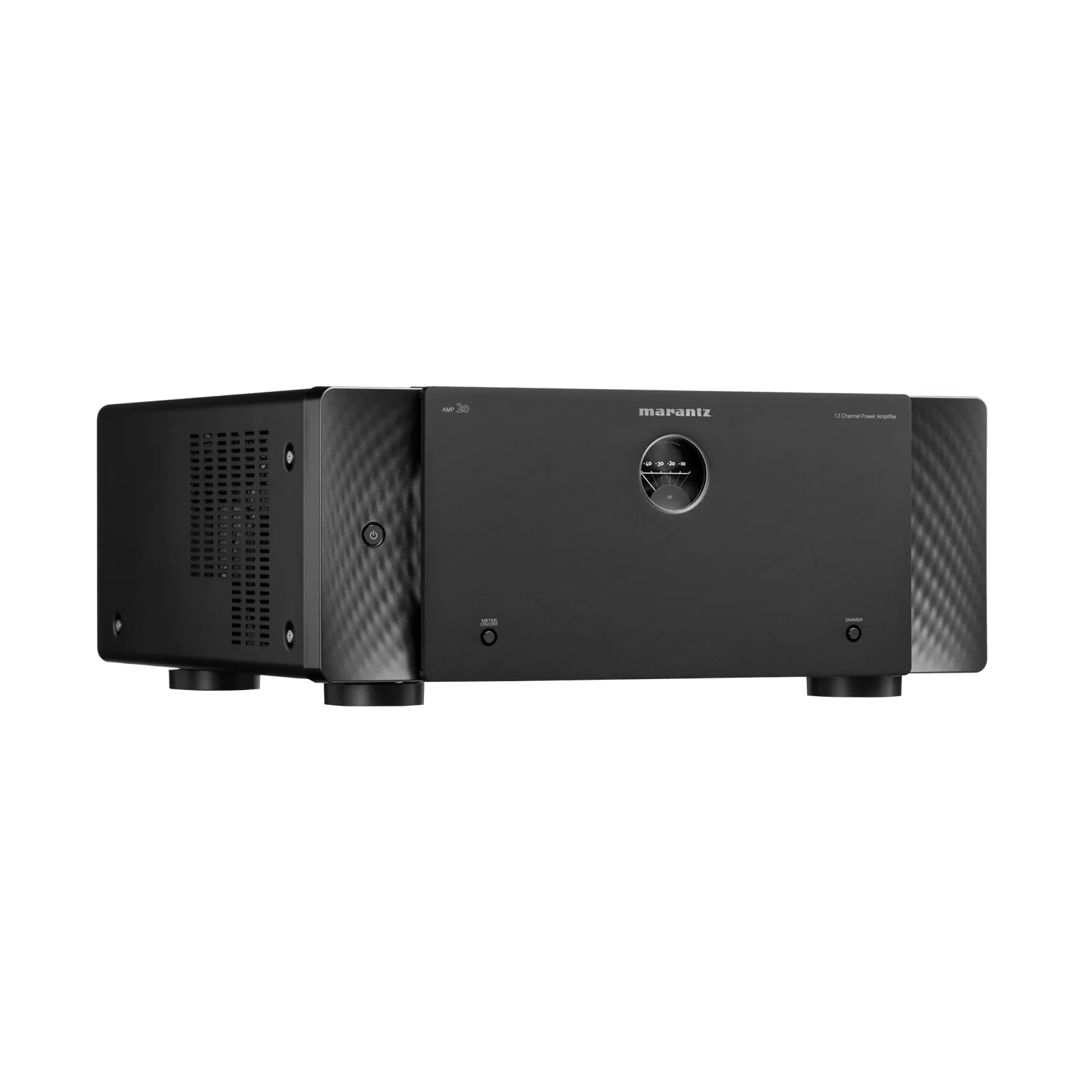
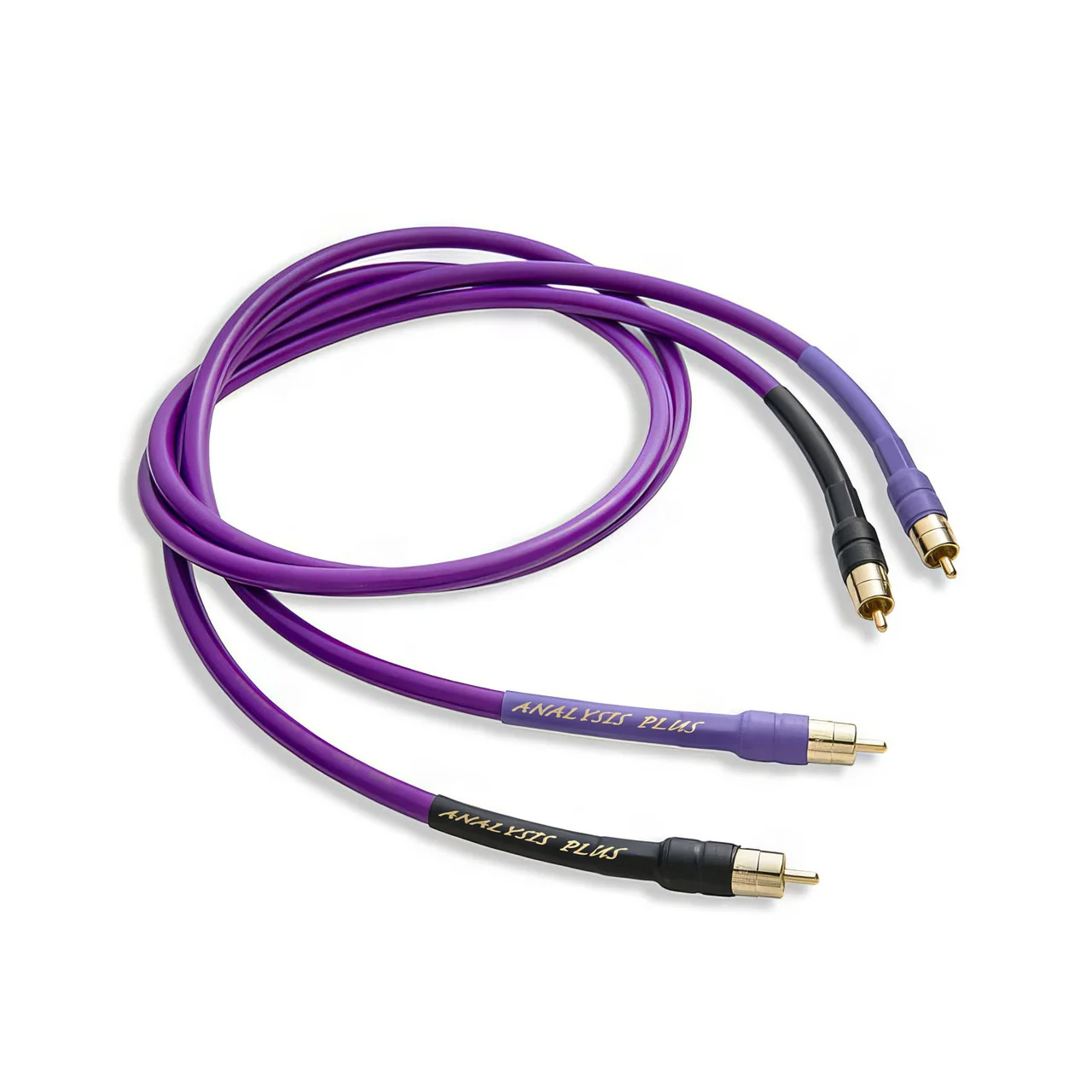
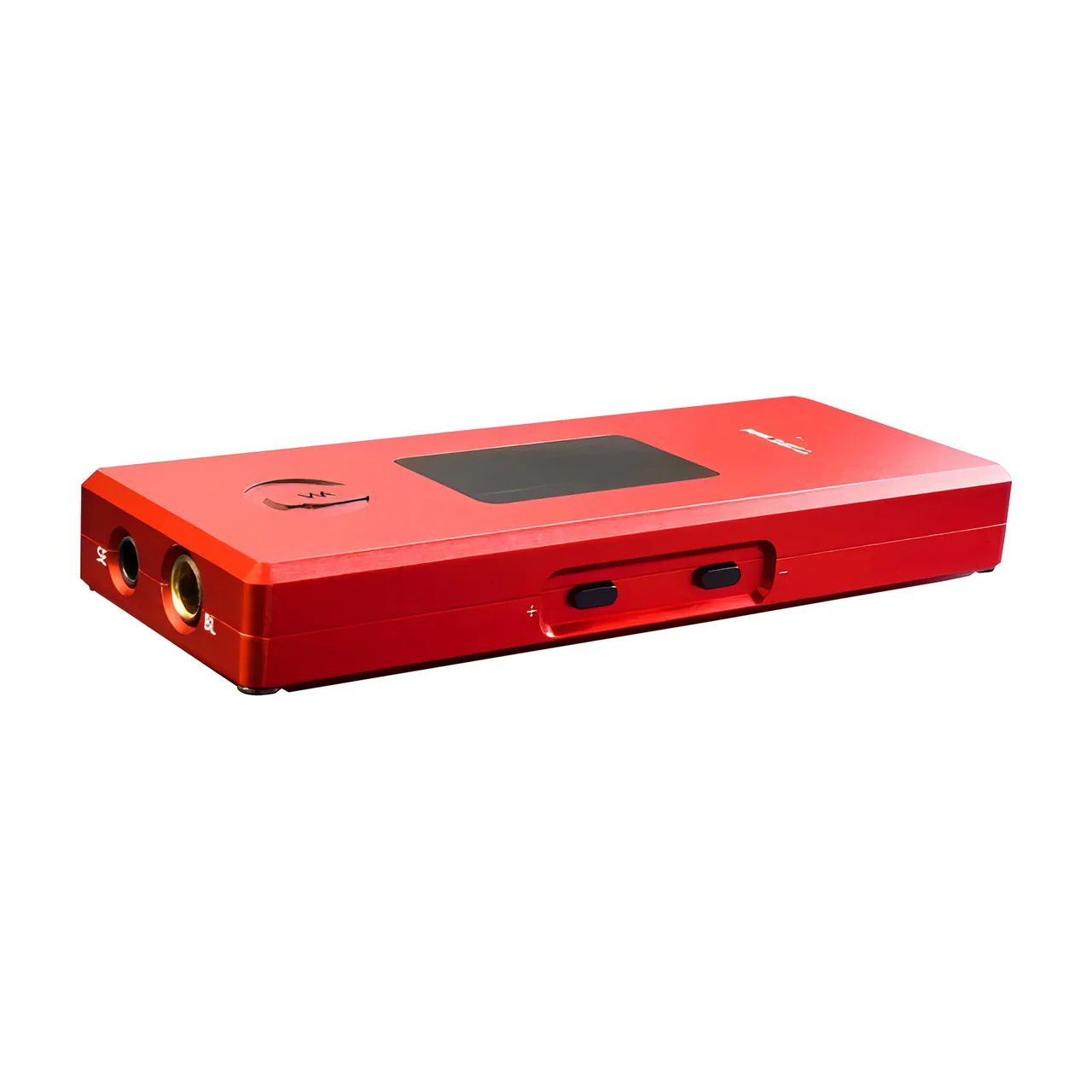
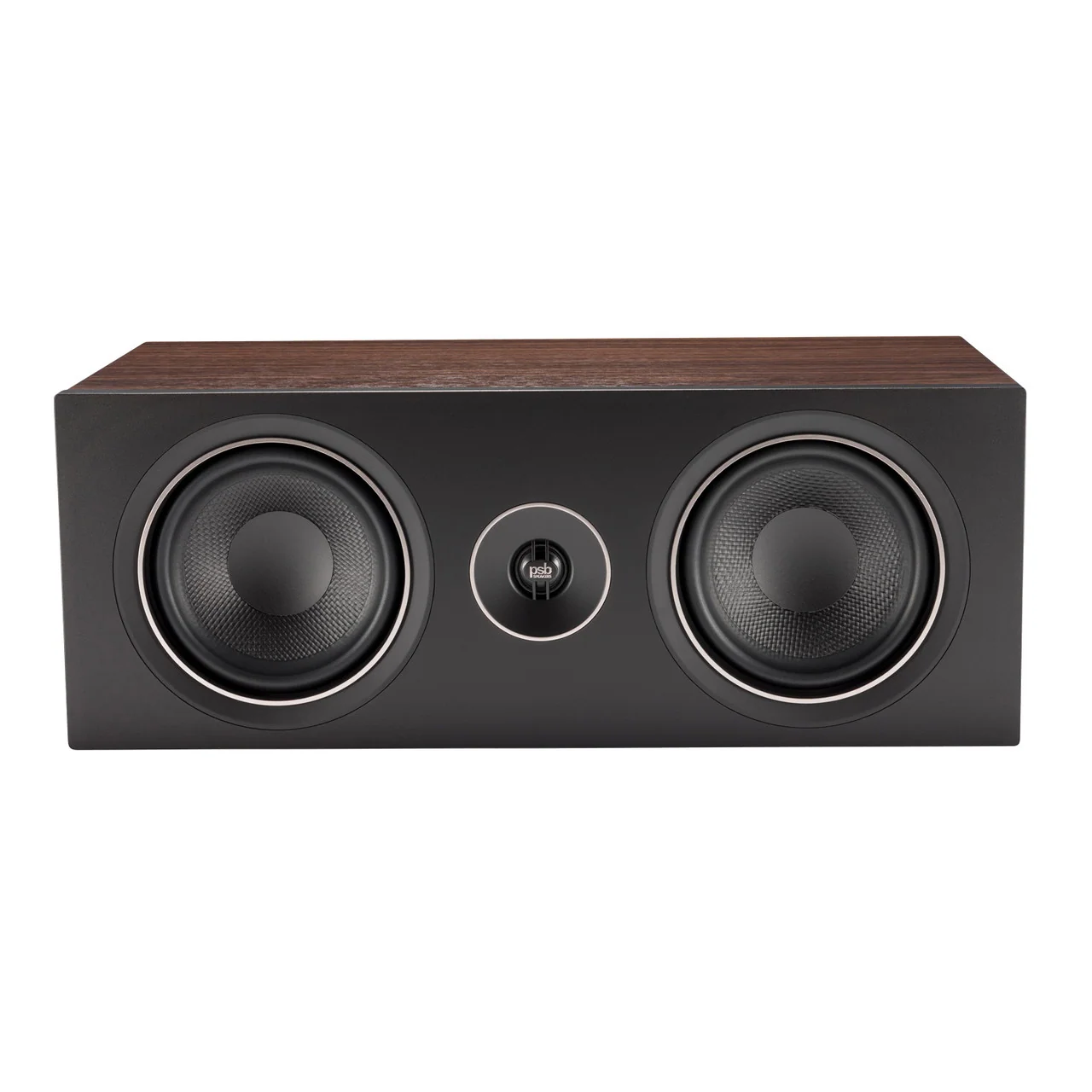
Here is what usually sits at either end.



Choose which cookies you'd like to allow. Necessary cookies keep the site working and can't be switched off.