{{ variable.name }} : {{ variable.values[selectedVariantsIndex[variable_index]].name }}
Quantity:
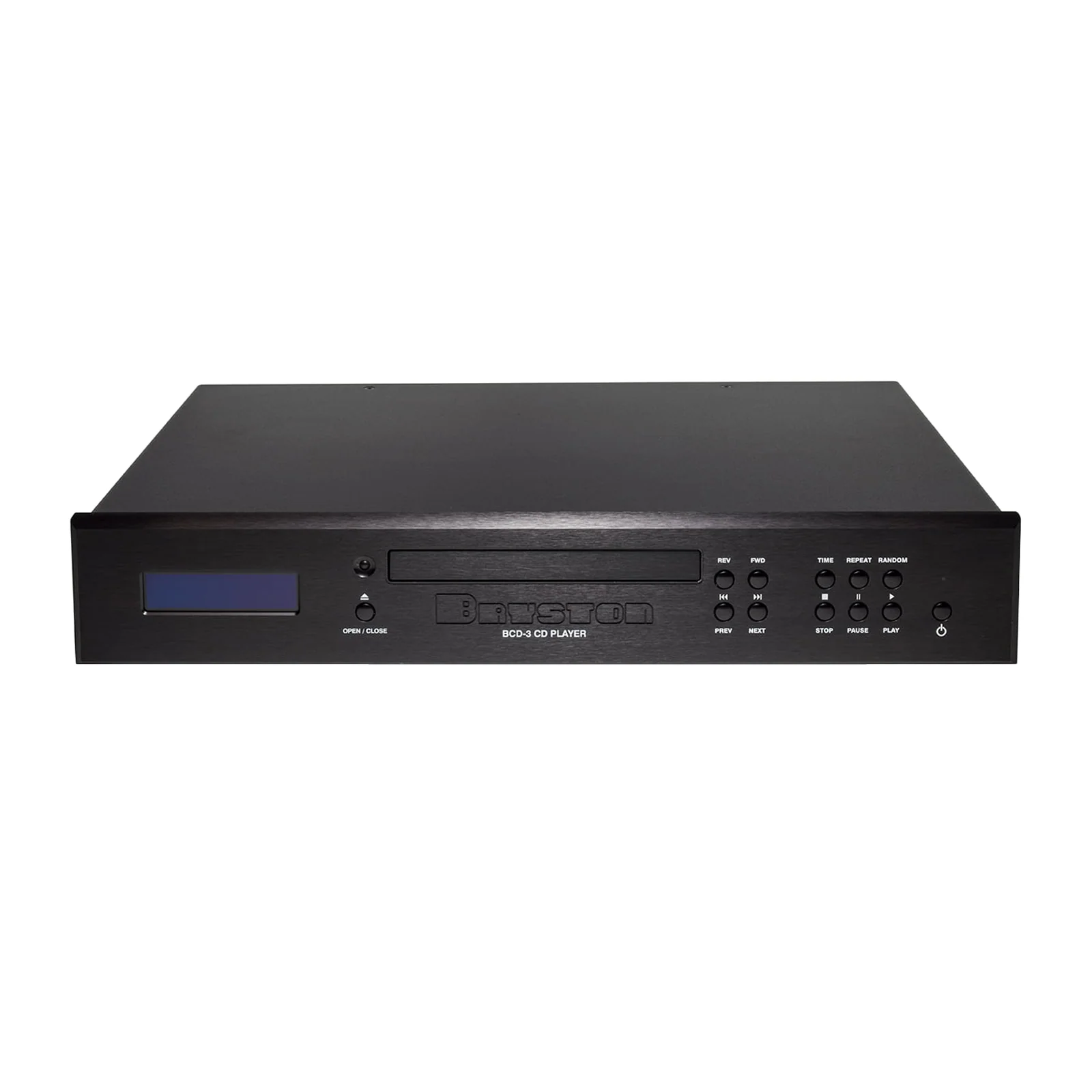
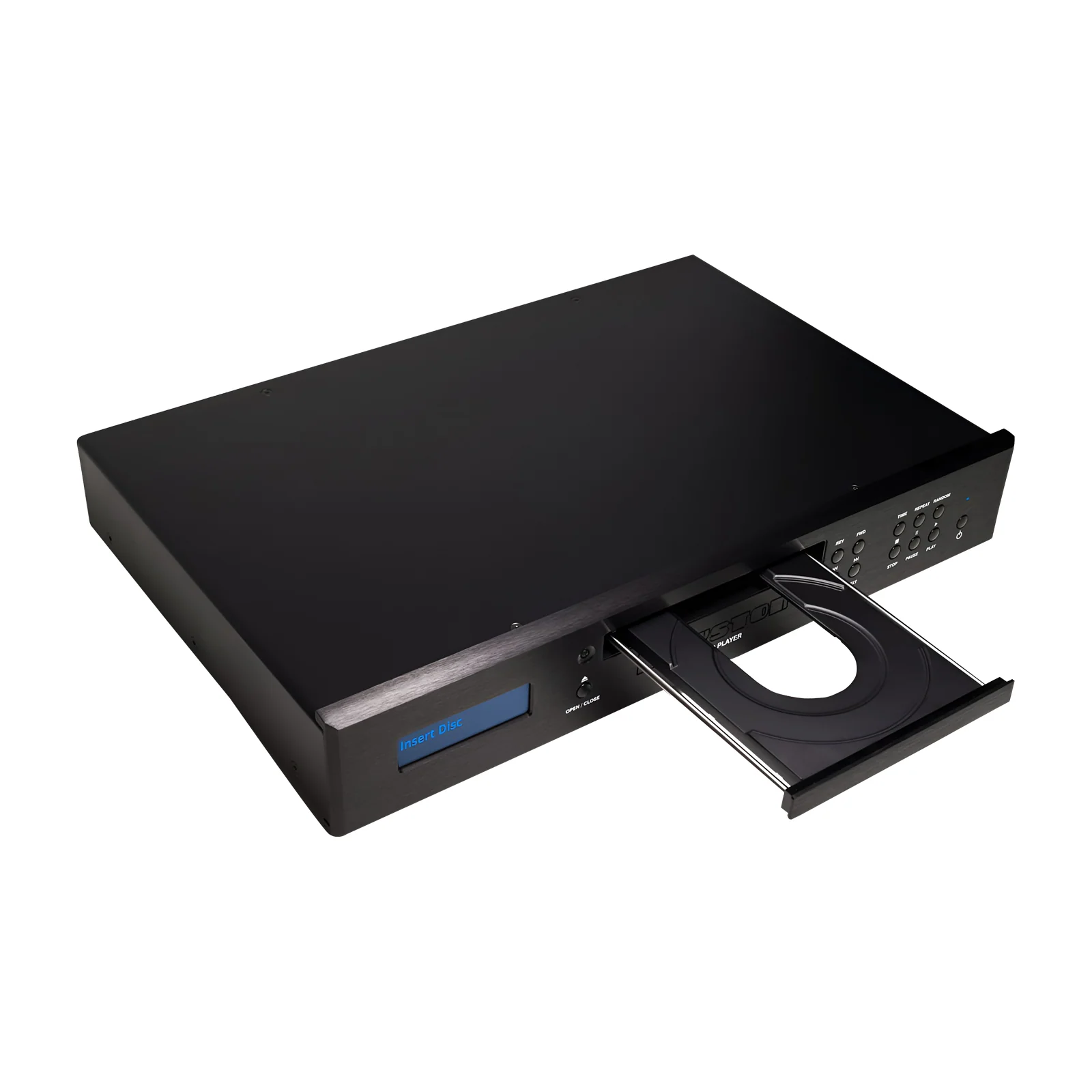
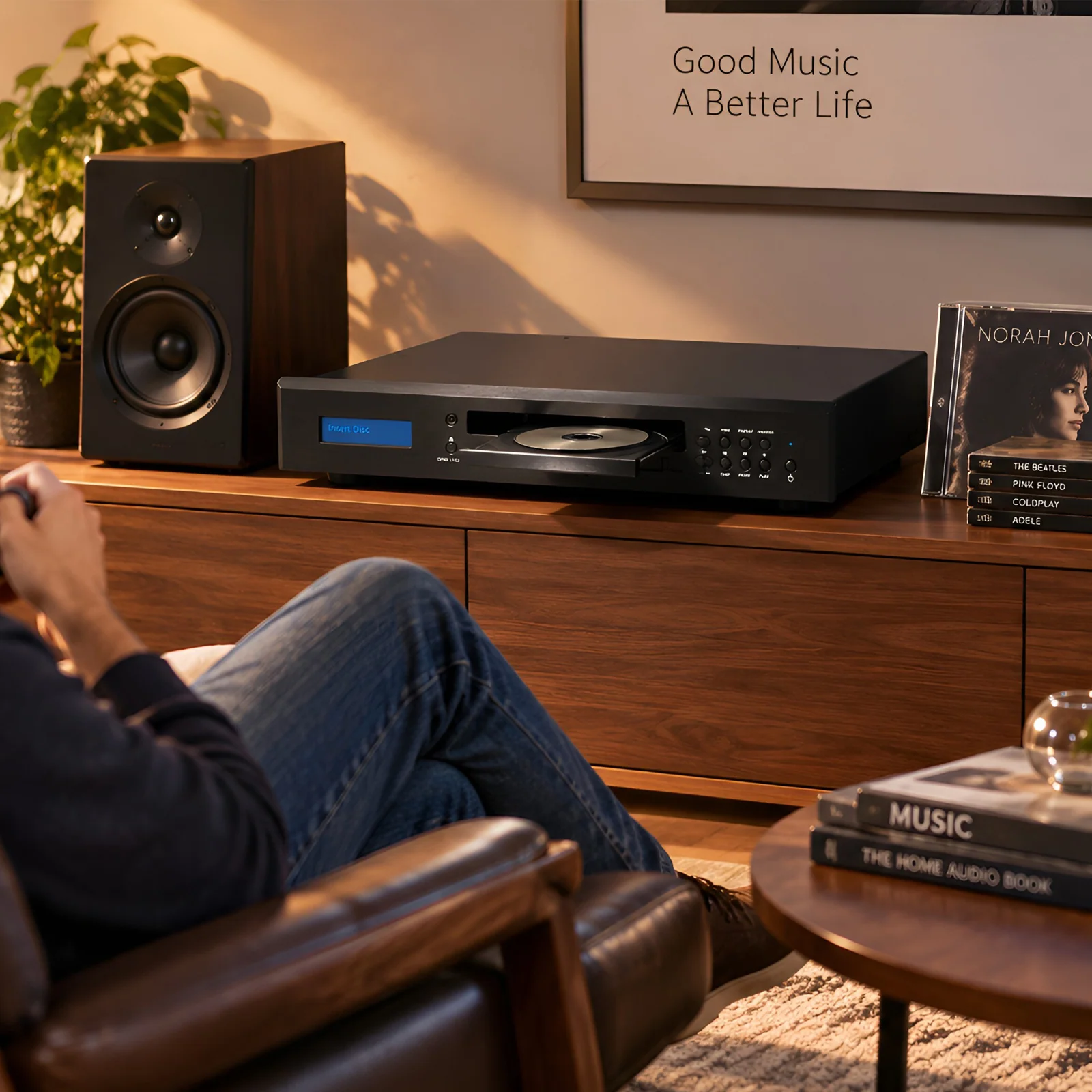
Almost every disc player sold today has a DVD drive inside. It will spin a CD, but it was designed to do several jobs at once. The Bryston BCD-3 does one: CD, CD-R and CD-RW, and nothing else.
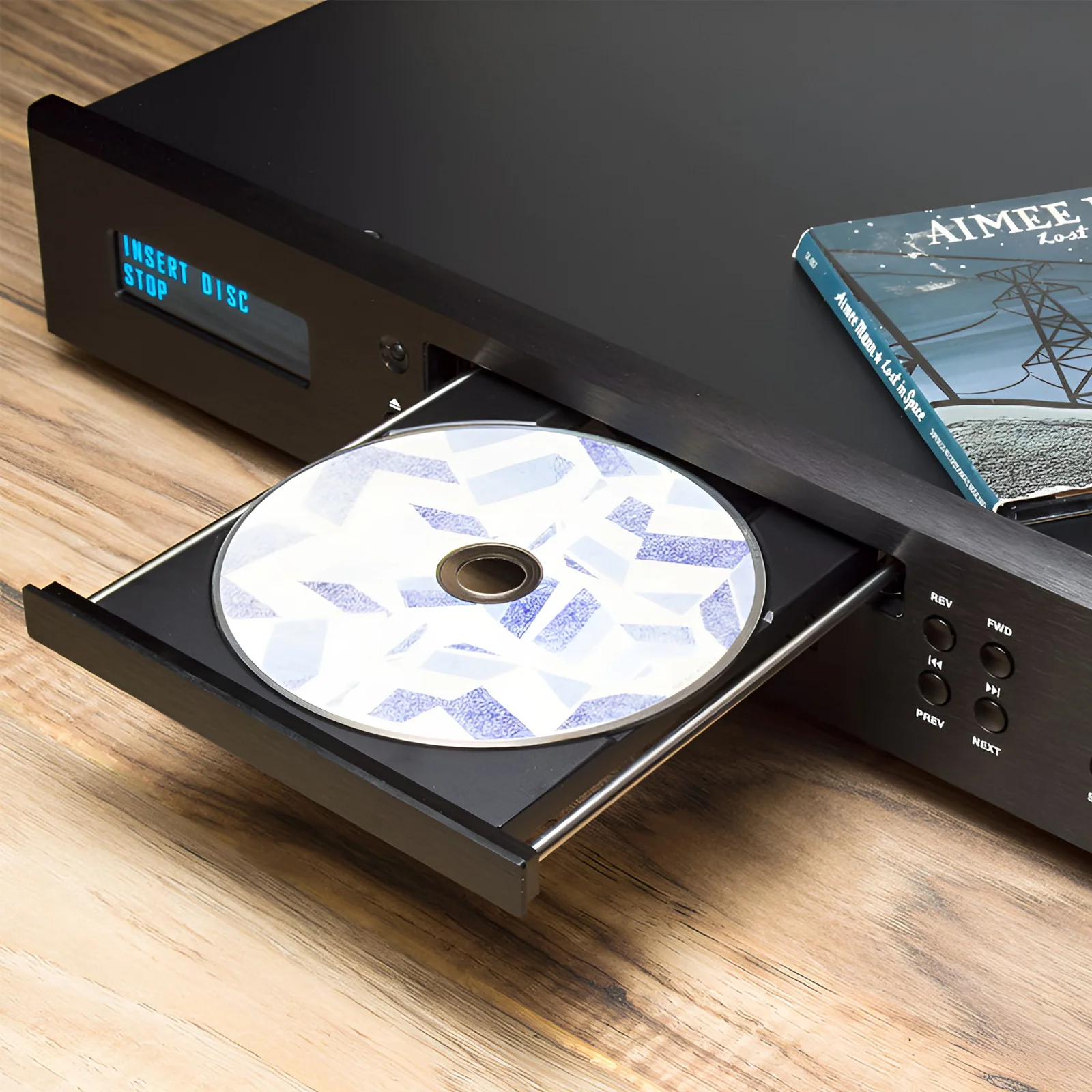
That decision cost Bryston years. The company wanted a transport clocked natively at 44.1 kHz, the rate the CD format actually uses, and waited rather than settle for a drive built around other rates. The result is a professional-grade optical transport with a metal tray on support rails, and a single quartz master clock the transport and converters both run from.
The BCD-3 is made in Peterborough, Ontario. It weighs 8.8 pounds and measures 3.325 inches tall by 11.53 inches deep, with a 17-inch or 19-inch aluminium faceplate in black or silver.
Data comes off the disc into two balanced AKM converters, running the design Bryston developed for its BDA-3 DAC. Because the pickup and the converters share one master clock rather than passing data between timing domains, jitter is attacked at the source.
The analog output stage is Bryston’s own: fully balanced, class-A, built from discrete components rather than op-amp chips. Behind it sits a linear power supply with a substantial toroidal transformer.
The numbers follow. Frequency response is 20 Hz to 20 kHz within 0.1 dB, noise sits at −140 dB, and THD plus noise is under 0.001 percent.
Philip Beaudette reviewed the BCD-3 for SoundStage! Hi-Fi on 15 September 2017. What struck him was the absence of anything to describe: "it had almost no discernible sonic character." He called it a faithful conduit to the music, and heard details on familiar albums he had never noticed.
His criticisms were practical rather than sonic. He wanted the OLED display larger so he could read it from his listening chair, and wished the BR2 remote had been included rather than sold separately. When he fed an outboard DAC from the digital output, he could not reliably hear a difference from the player on its own, which says something about the converters inside.
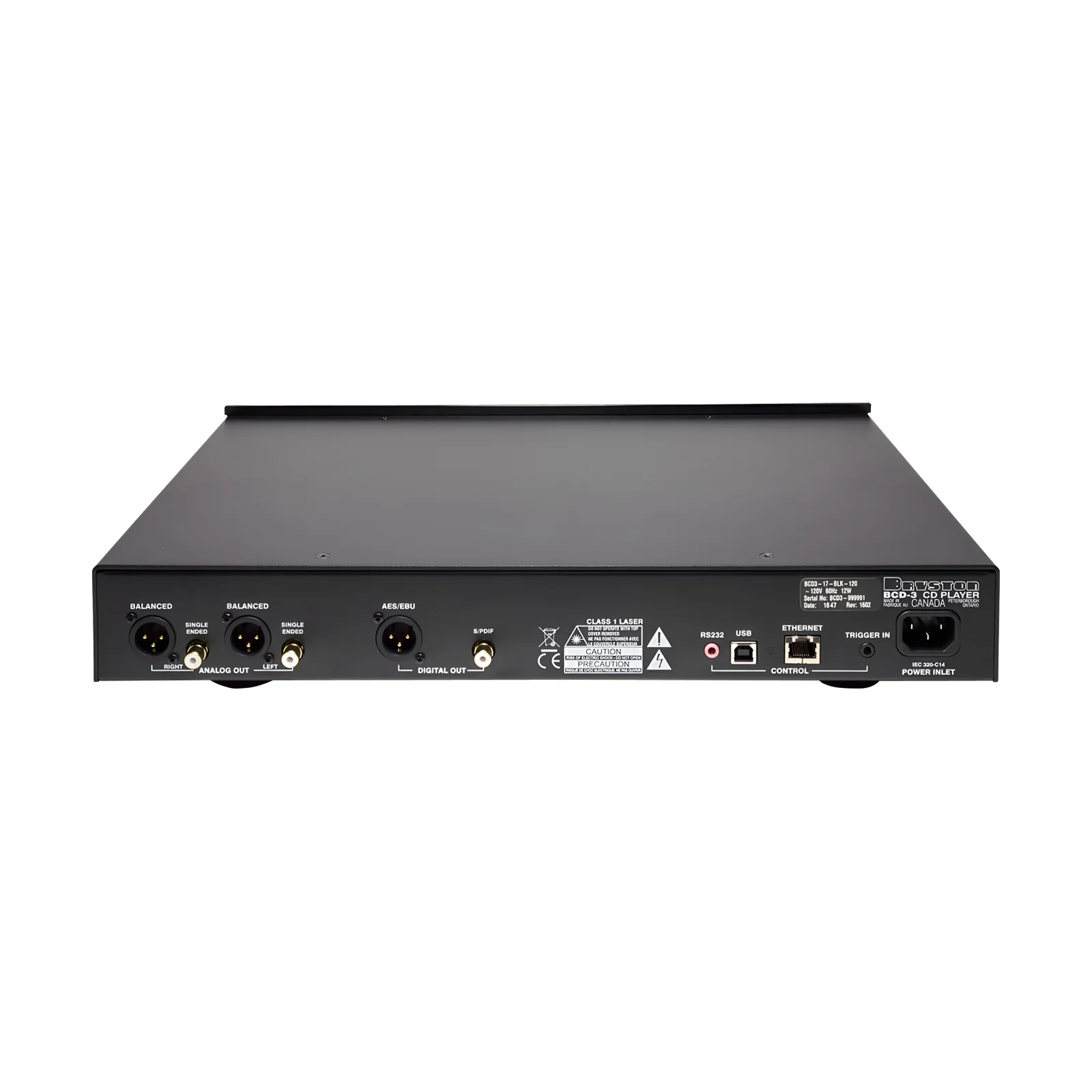
One cable run and you are finished. Use the balanced XLR outputs into a preamplifier or integrated amplifier if both ends support it, or the RCA outputs if not. If you already own a DAC you prefer, the AES/EBU and S/PDIF outputs let the BCD-3 work as a transport.
Control is by front panel, infrared, RS-232, or a built-in web interface reached over Ethernet. Plug it in, load a disc, and get on with listening.
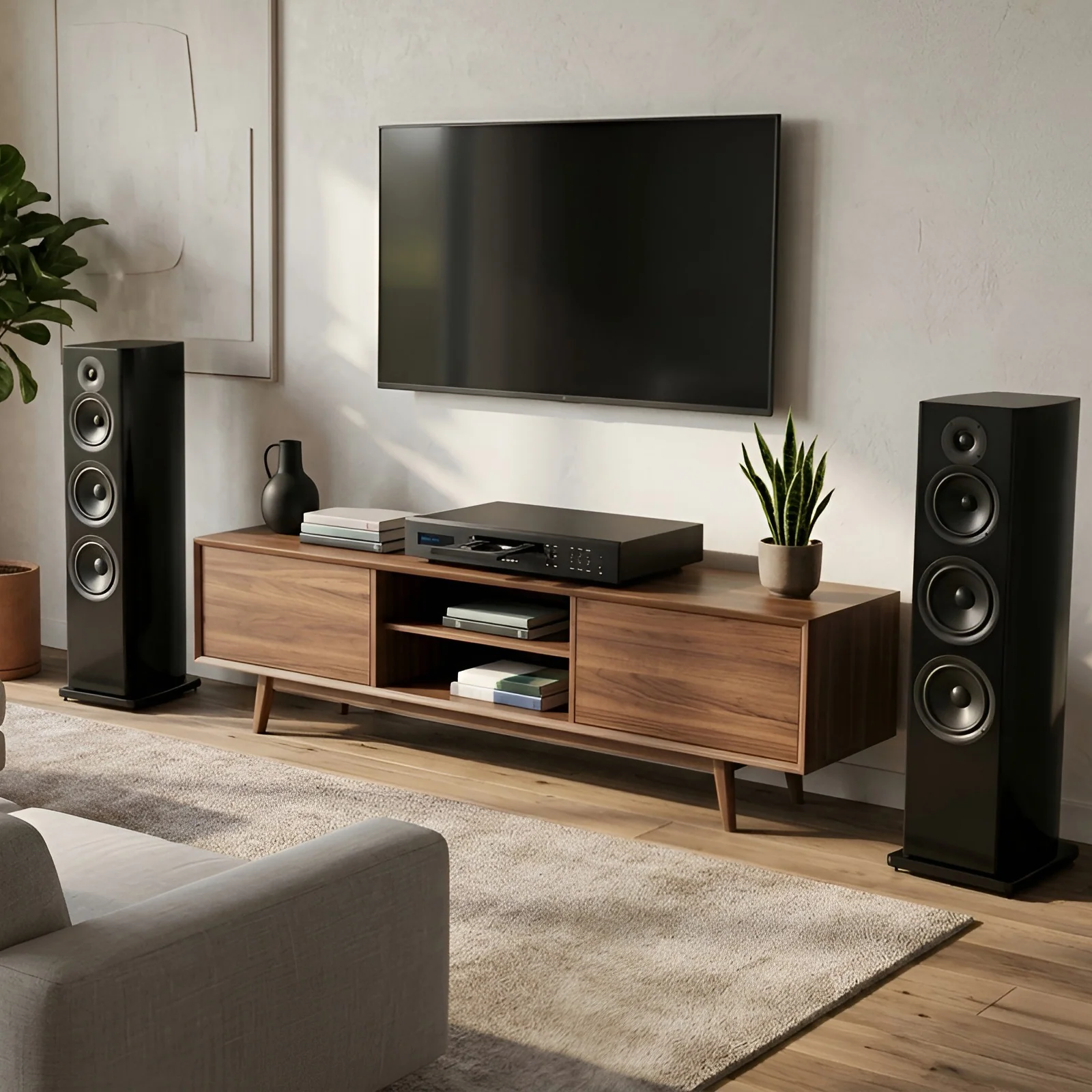
Here is what usually sits around it.
No. It plays CD, CD-R and CD-RW only. A hybrid SACD will play its Red Book layer only.
Yes. An AES/EBU output on XLR and an S/PDIF output on RCA both bypass the internal converters.
No, and this trips people up. The USB and Ethernet ports are for control and integration only. The BCD-3 will not play files from a computer or drive.
From the front panel, by infrared using Bryston’s BR2 handset or a universal remote, or through RS-232, Ethernet or USB in a control system. On a network it also offers a web page mirroring the front panel.
The faceplate comes in 17-inch or 19-inch widths, and the chassis is 3.325 inches tall by 11.53 inches deep. A 2U rack-mount option is available.
Want to learn more about CD playback, balanced connections, or matching a player to your amplifier? Visit our Learning Center for guides, tips, and expert advice.
Choose which cookies you'd like to allow. Necessary cookies keep the site working and can't be switched off.