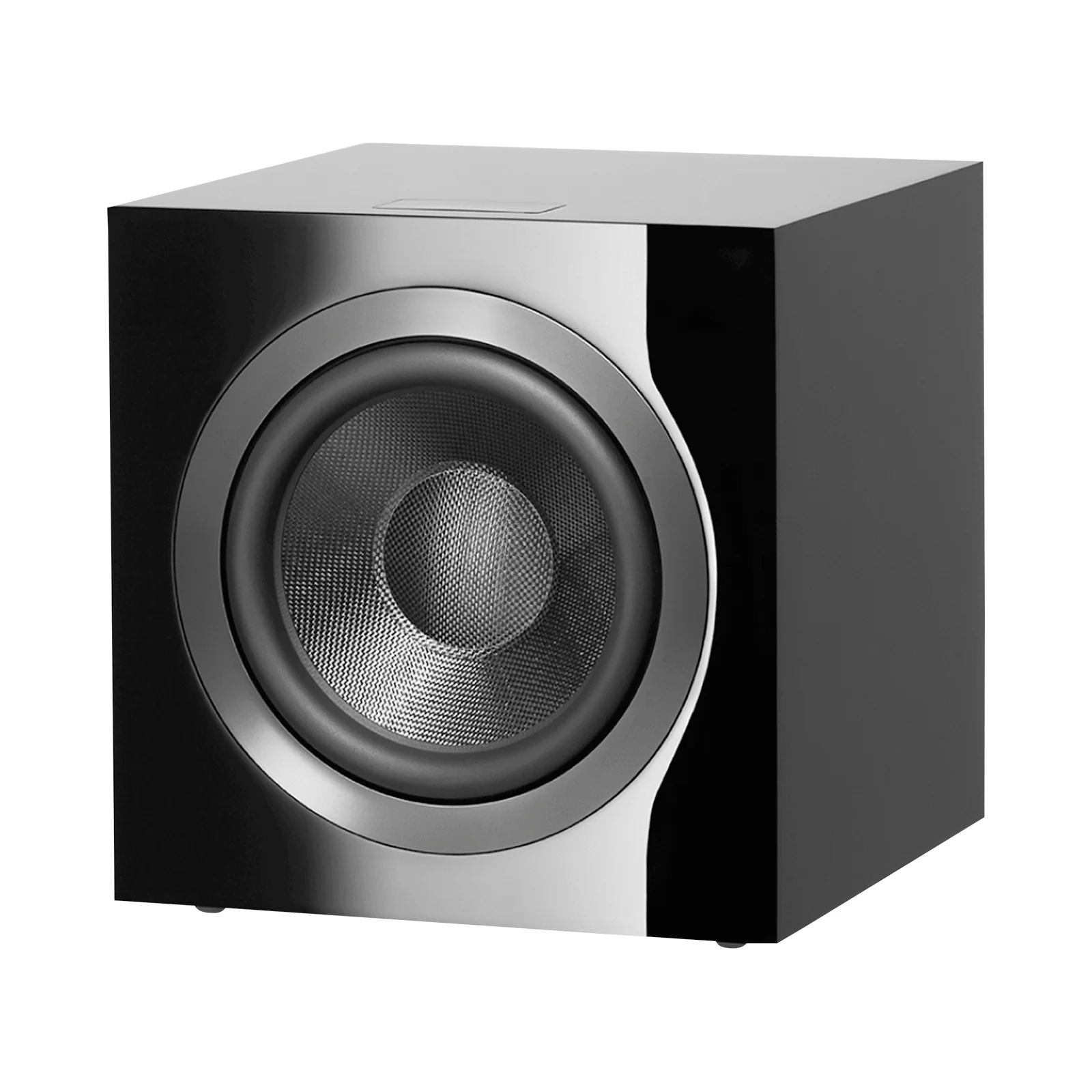
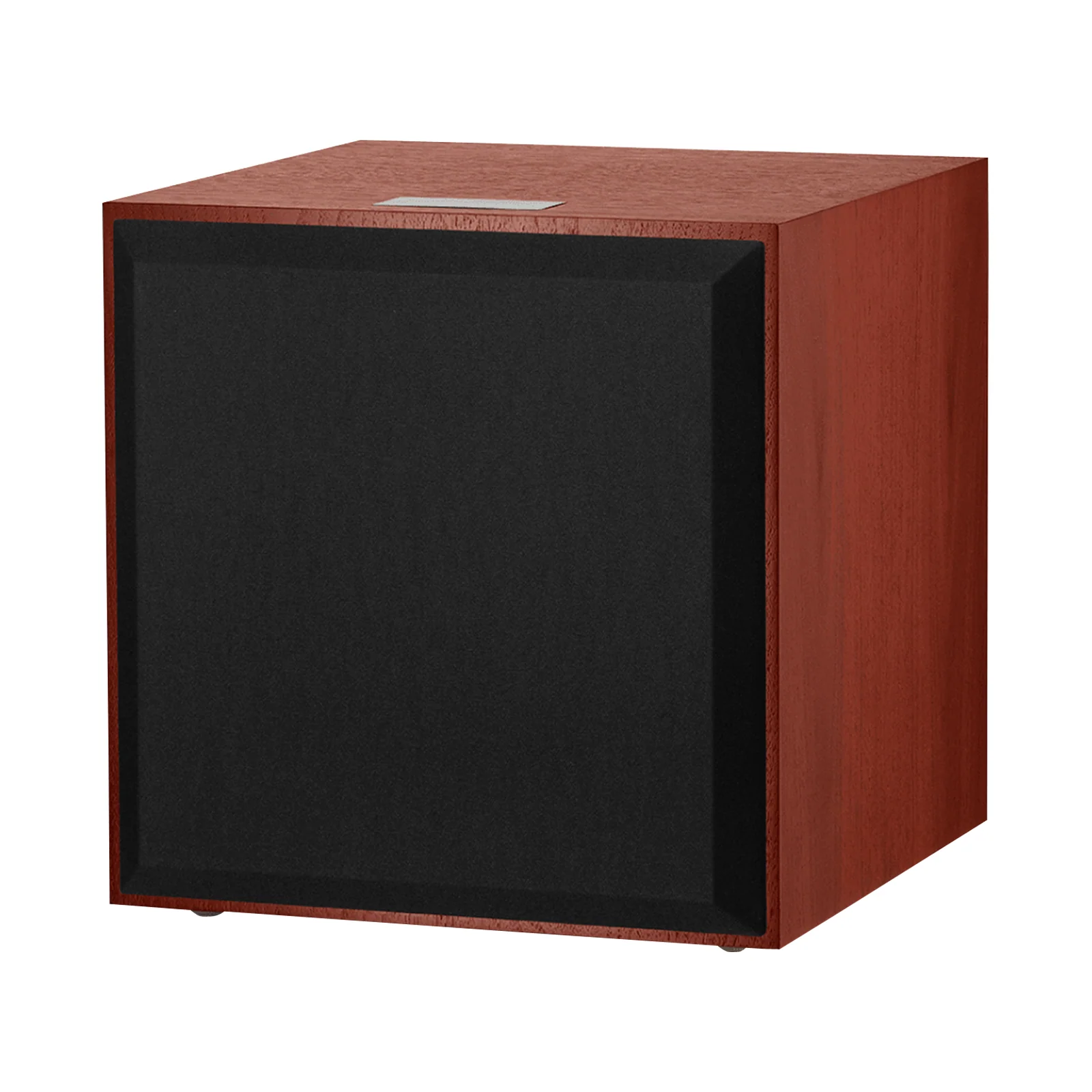
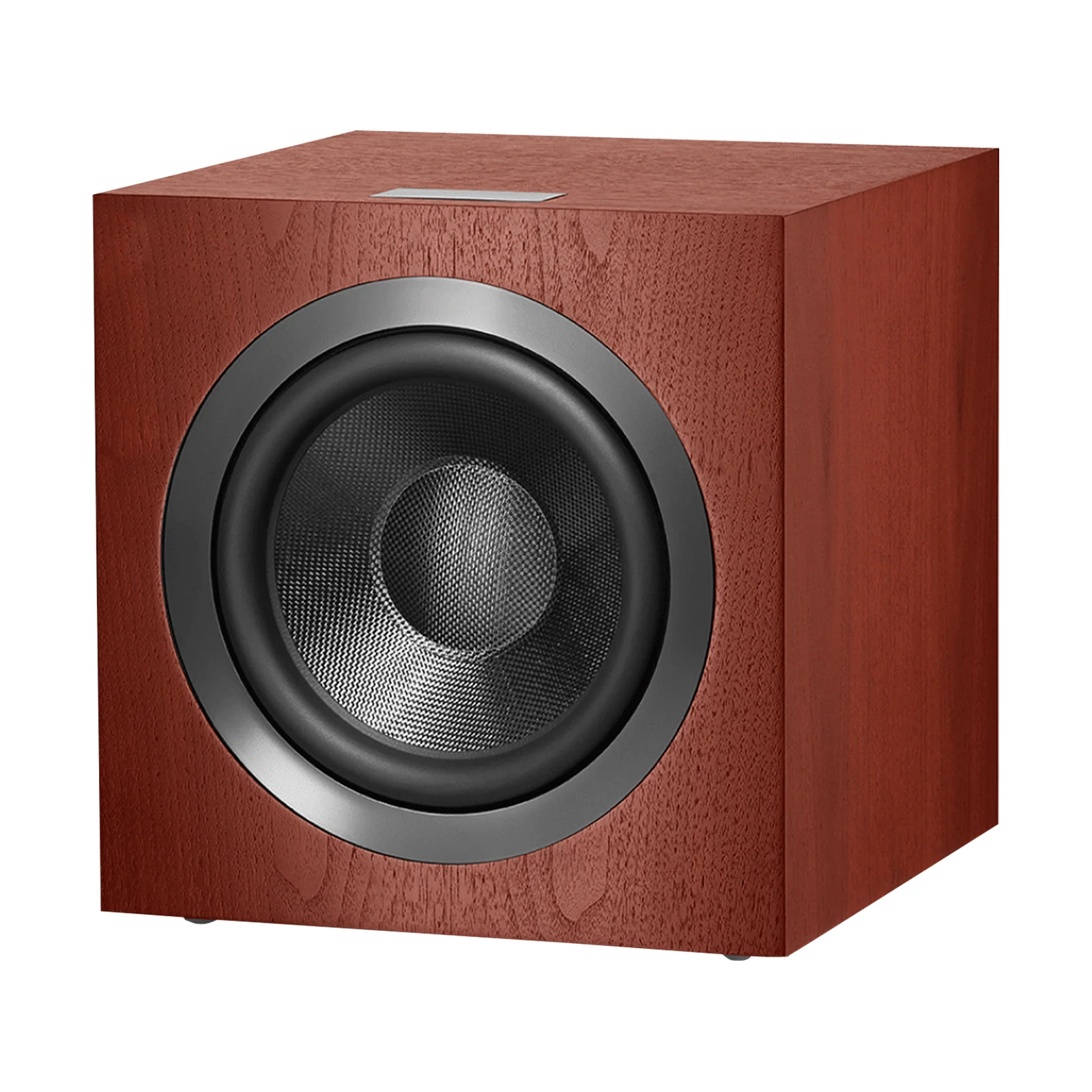
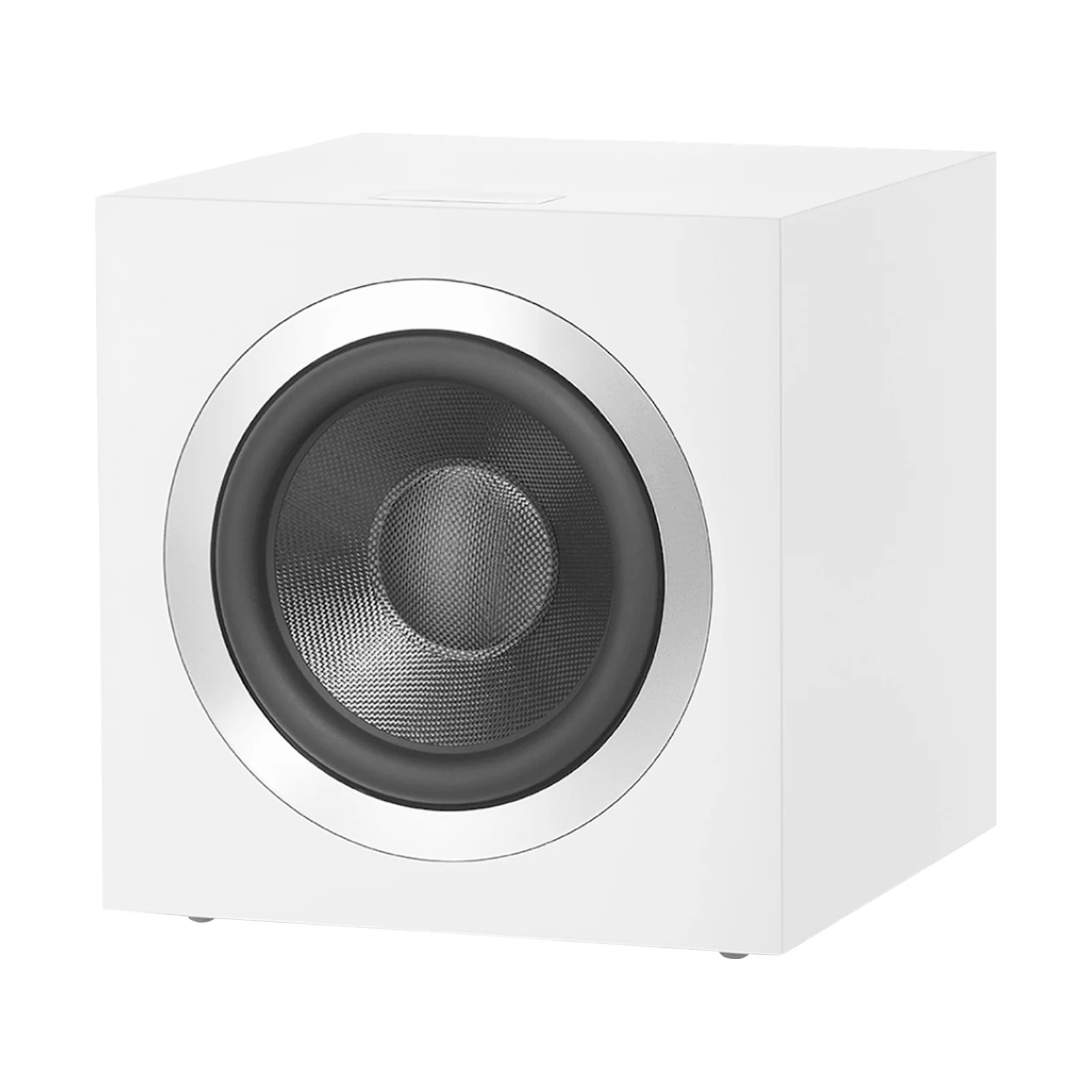
{{ variable.name }} : {{ variable.values[selectedVariantsIndex[variable_index]].name }}
Quantity:
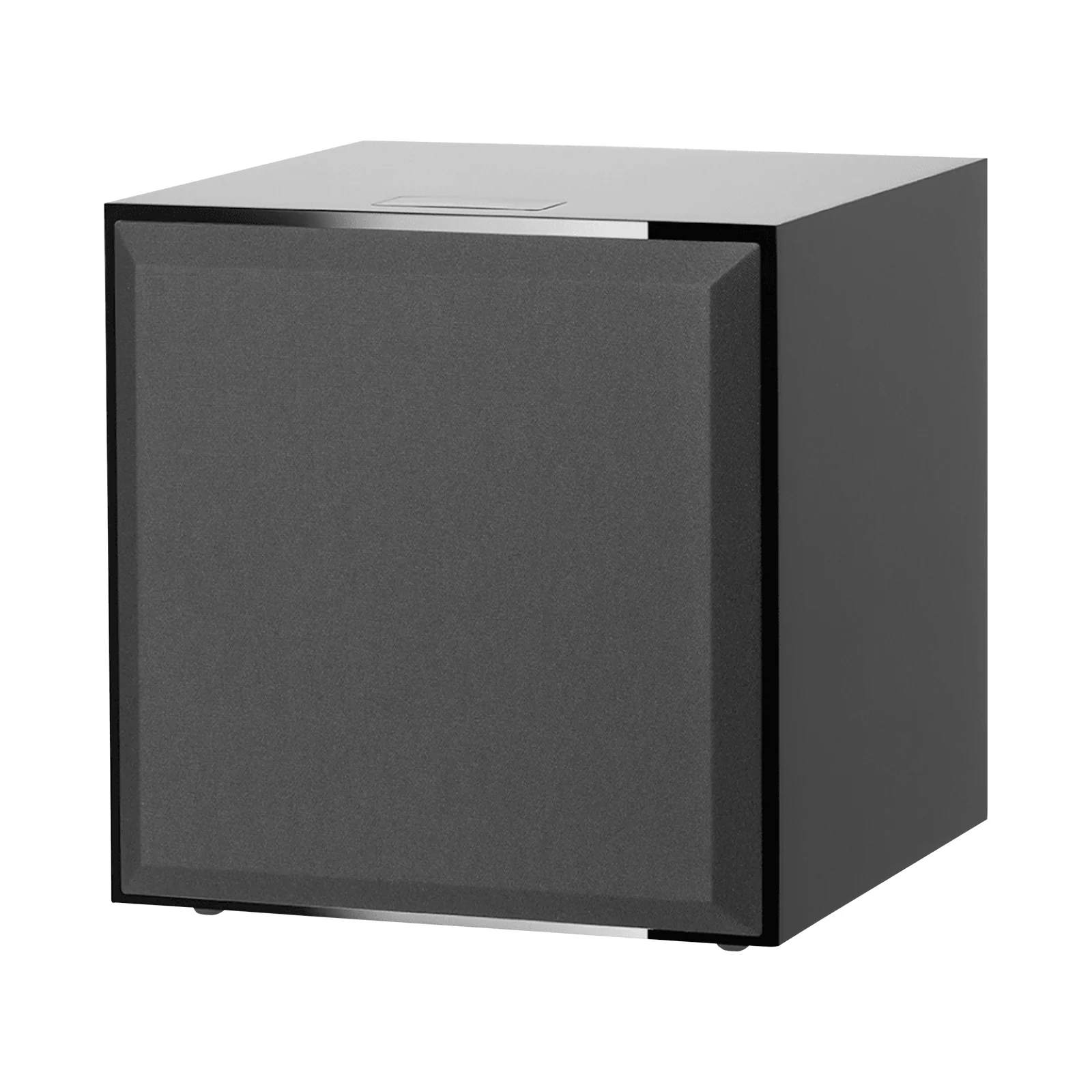
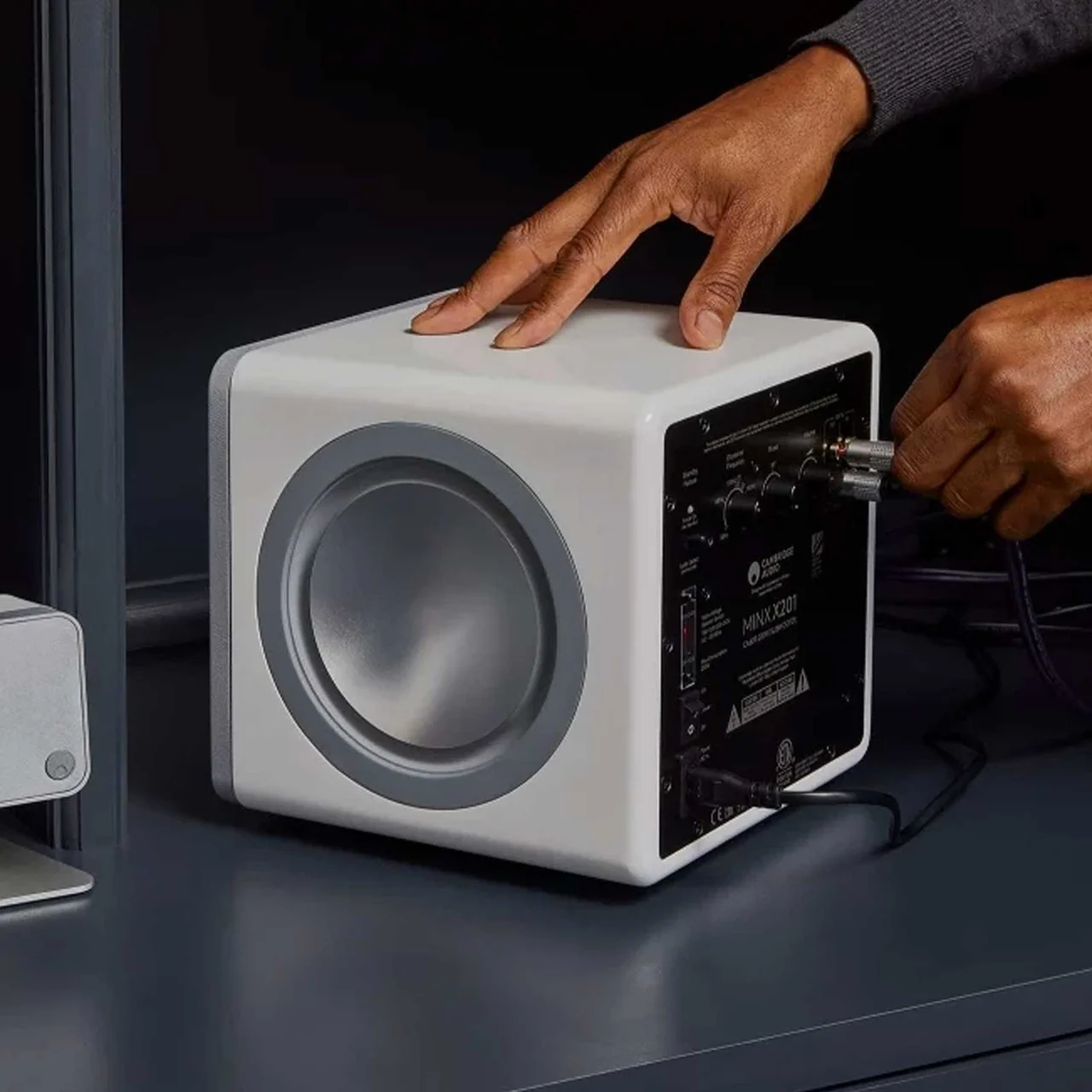
Walk around the back of the Bowers & Wilkins DB4S and there is almost nothing there. Two XLR inputs, two RCA inputs, a 12V trigger and a power switch. No volume dial, no crossover knob, no phase switch. Everything is handled from your phone instead.
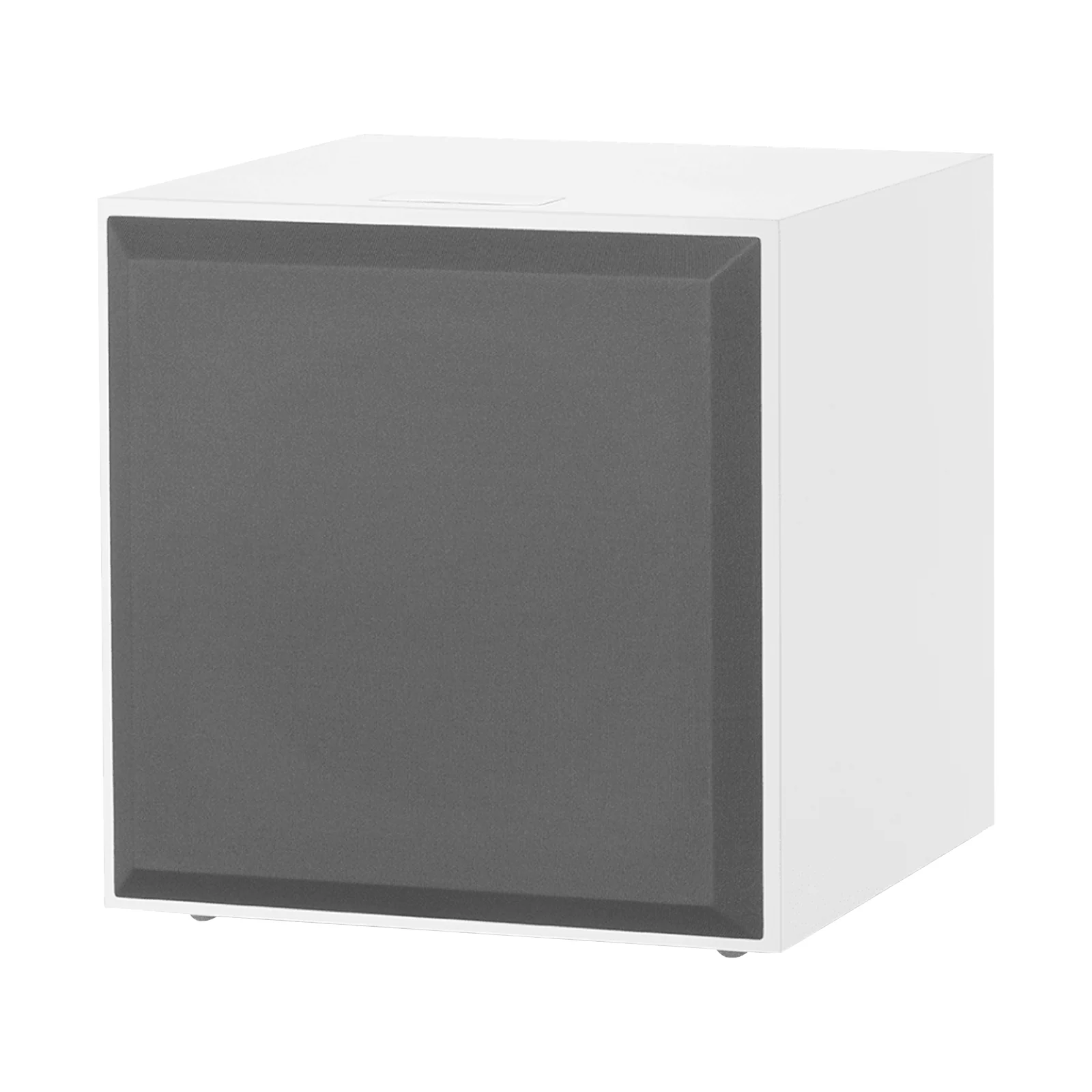
Inside is a single 250 mm Aerofoil cone driven by 1000 watts, in a sealed cabinet with no port. Bowers & Wilkins rates it from 10 Hz to 350 Hz. It measures 377 x 360 x 368 mm and weighs 26 kg.
It sits at the entry point of the DB range and is the odd one out. The DB1D, DB2D and DB3D use two drivers in a dual-balanced arrangement; the DB4S uses one, which is why its cabinet is larger than the DB3D and its price lower.
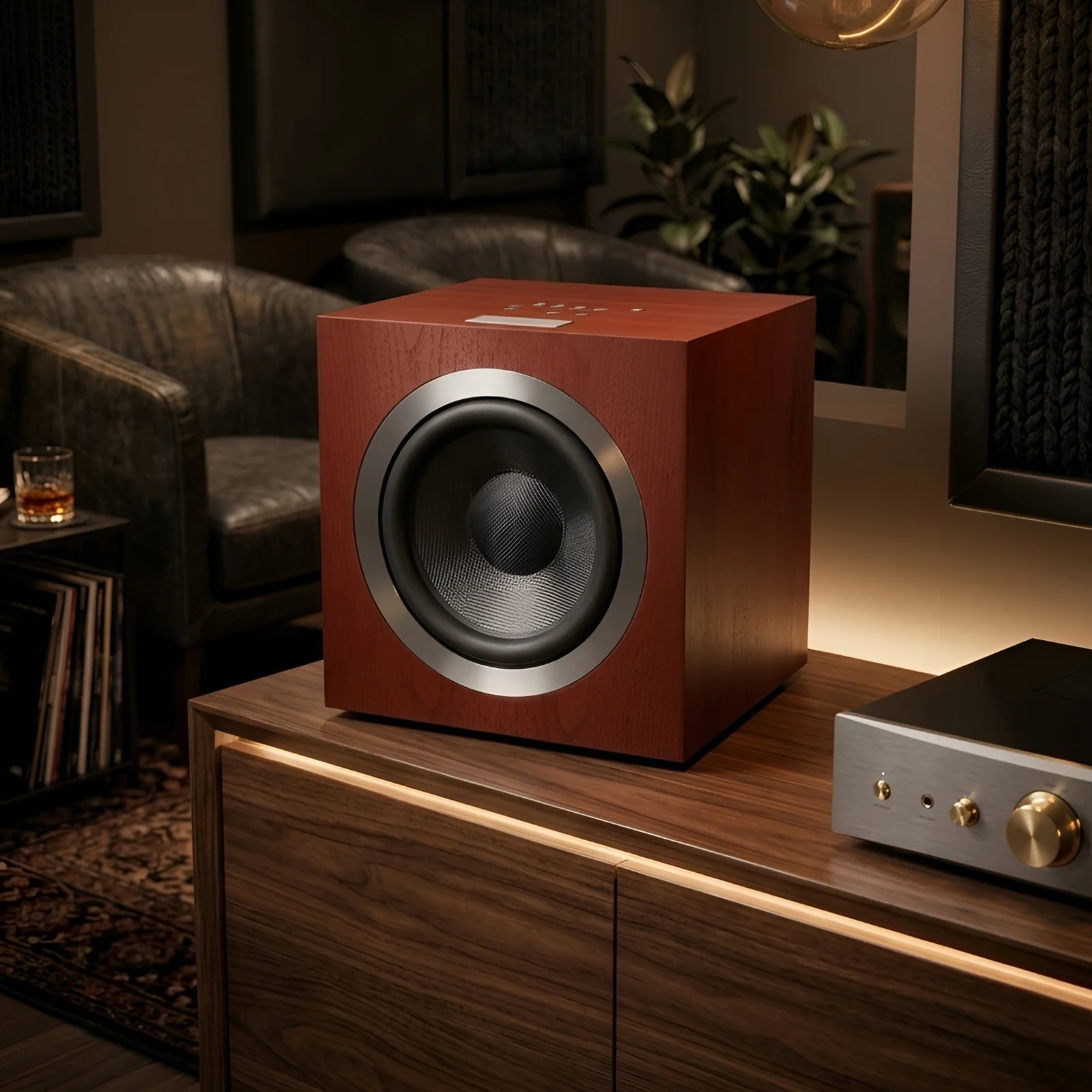
Bowers & Wilkins makes its own subwoofer cones. Aerofoil sandwiches a foam core between woven skins, but unlike the older Rohacell cones the core varies in thickness across the diameter. The profile resembles an aircraft wing, hence the name, and the same material appears in the flagship 800 Series Diamond.
Driving it is a custom 1000-watt Class-D module from Hypex, the Dutch Class-D specialist. In front of that sits a digital preamplifier with Dynamic EQ, which is what lets the app do real work.
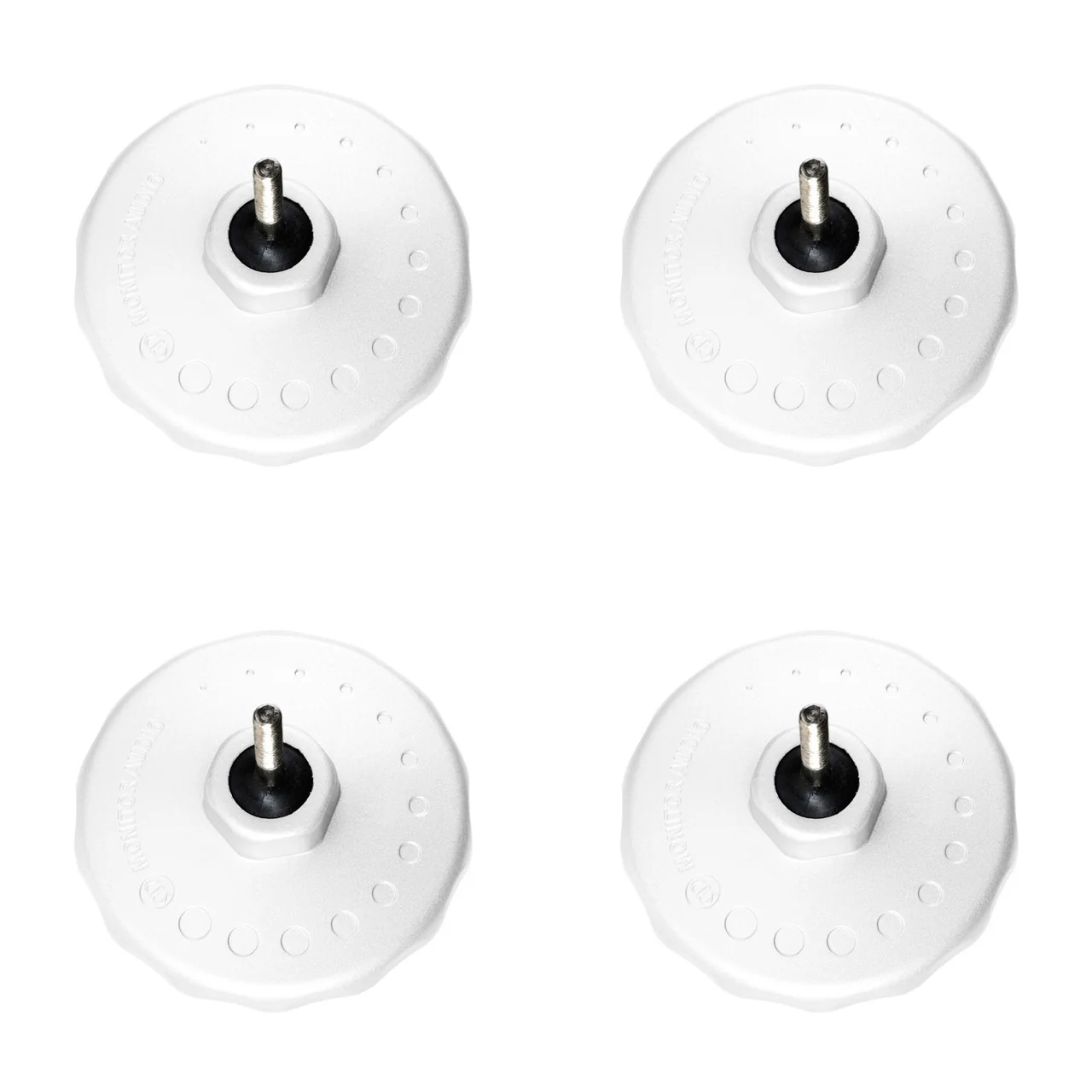
Two sets of feet come in the box, rubber for hard floors and spikes for carpet. Use them: they isolate the cabinet and provide the airflow the amplifier needs.
The DB4S was reviewed by Australian Hi-Fi, republished by What Hi-Fi? on 28 March 2021, with full lab measurements. The conclusion: "the B&W DB4S is yet another great subwoofer from this great British company." The reviewer heard no audible distortion at any sensible level and called the response smooth and even.
The lab results back that up: in-room response stayed inside a 5 dB window from 20 Hz to 200 Hz. The criticisms were about control, not sound. The review lists needing a phone and app as a drawback, and notes that automatic room calibration then worked on only a short list of Android handsets.
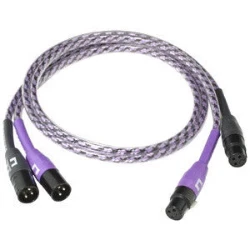
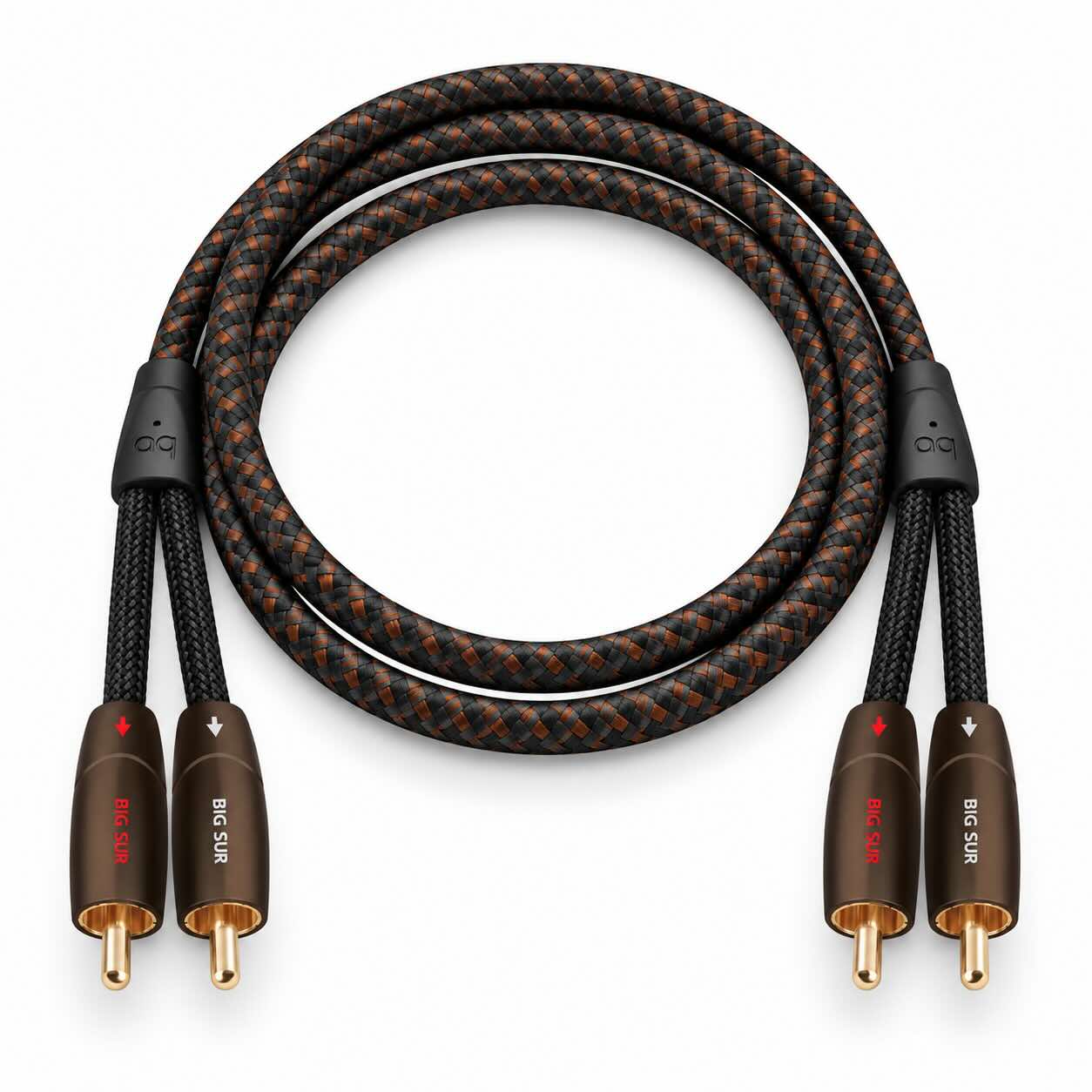
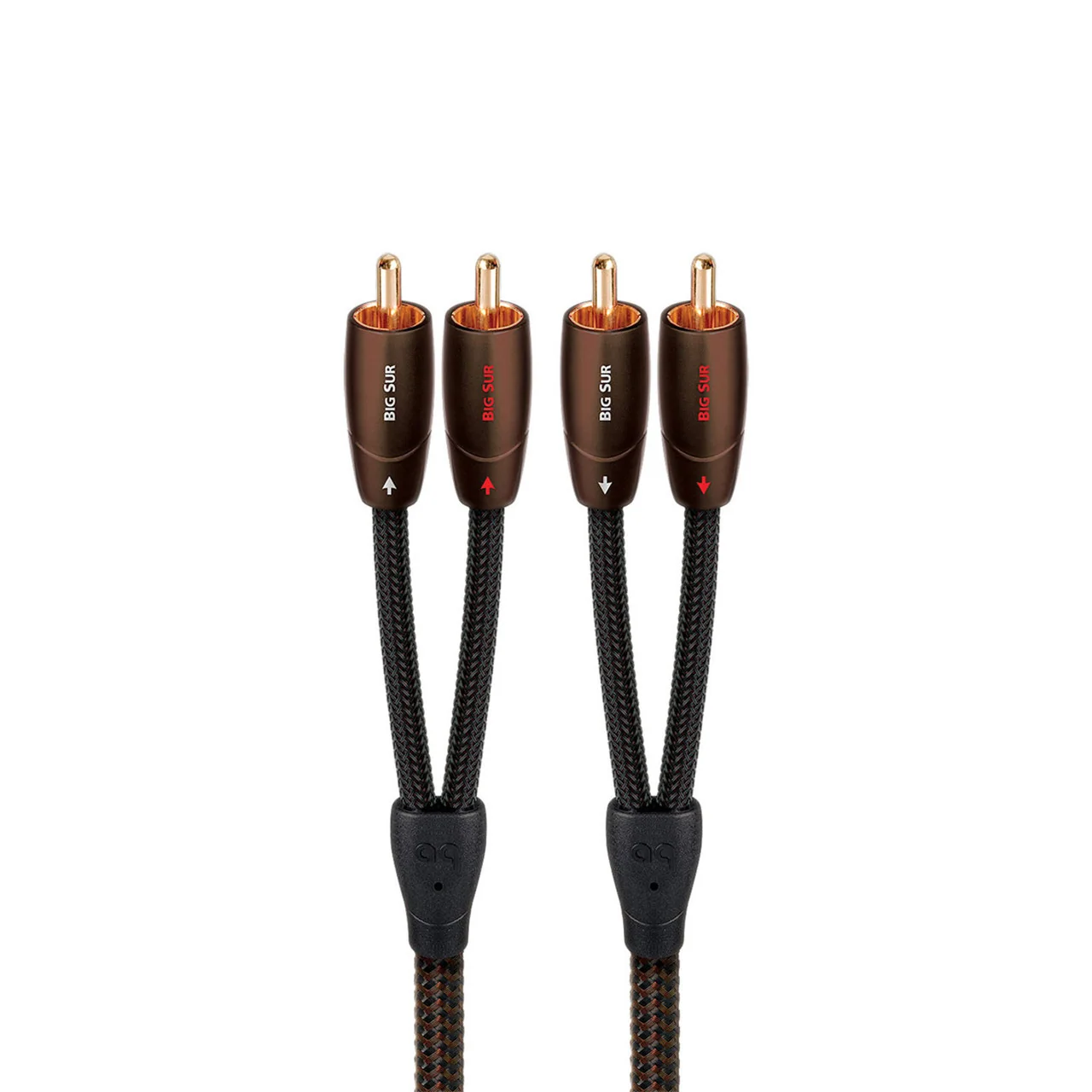
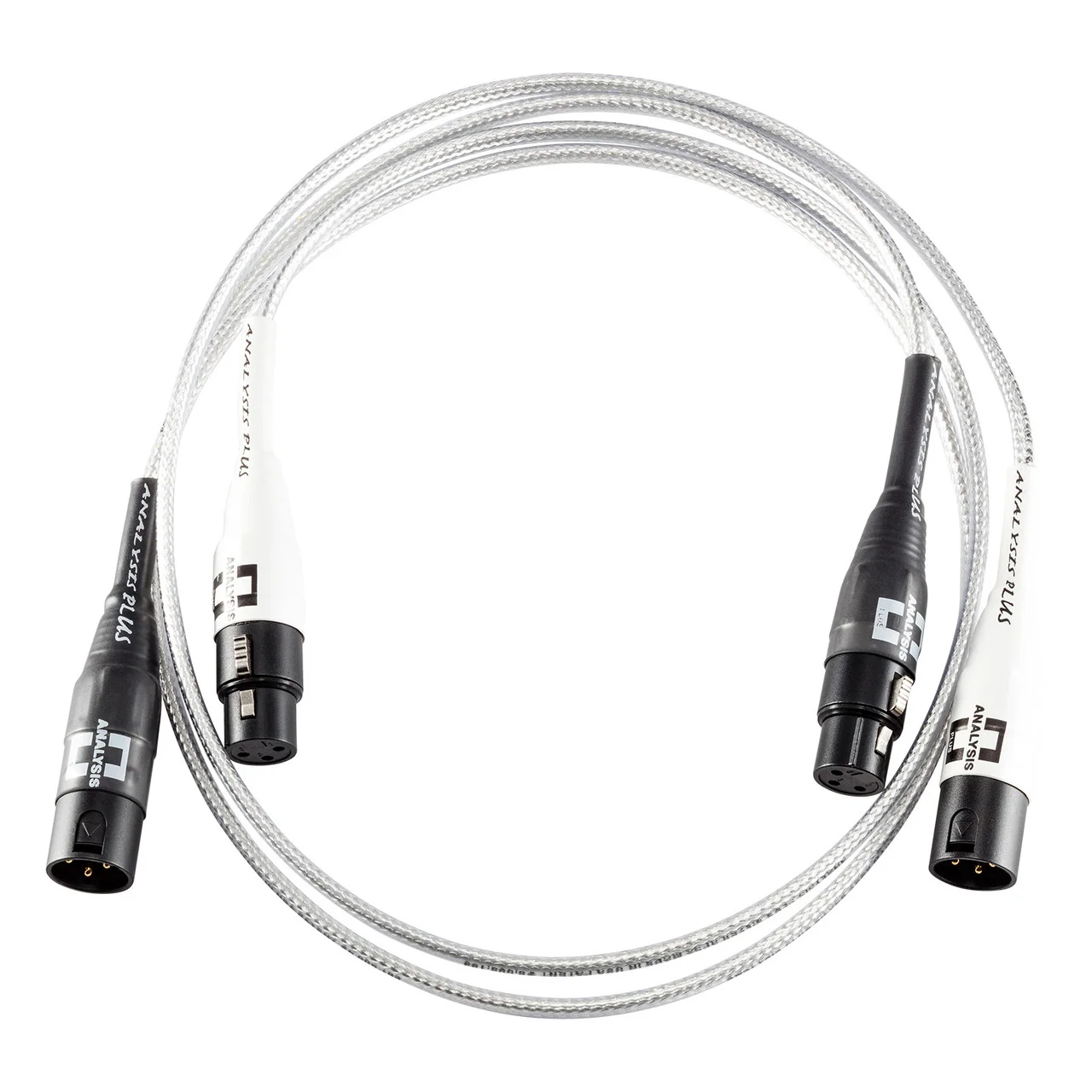
Run a line-level cable from your receiver or preamplifier to the balanced XLR or unbalanced RCA inputs, and connect the 12V trigger if you want the sub to wake with the system. Then put it where it will live, fit the right feet, and open the app.
From there you set volume, crossover between 25 and 150 Hz, slope at 12 or 24 dB per octave, and phase from 0 to 270 degrees. The app can use your phone’s microphone to measure the room, and a five-band equaliser lets you adjust the result. Position it first, then calibrate.
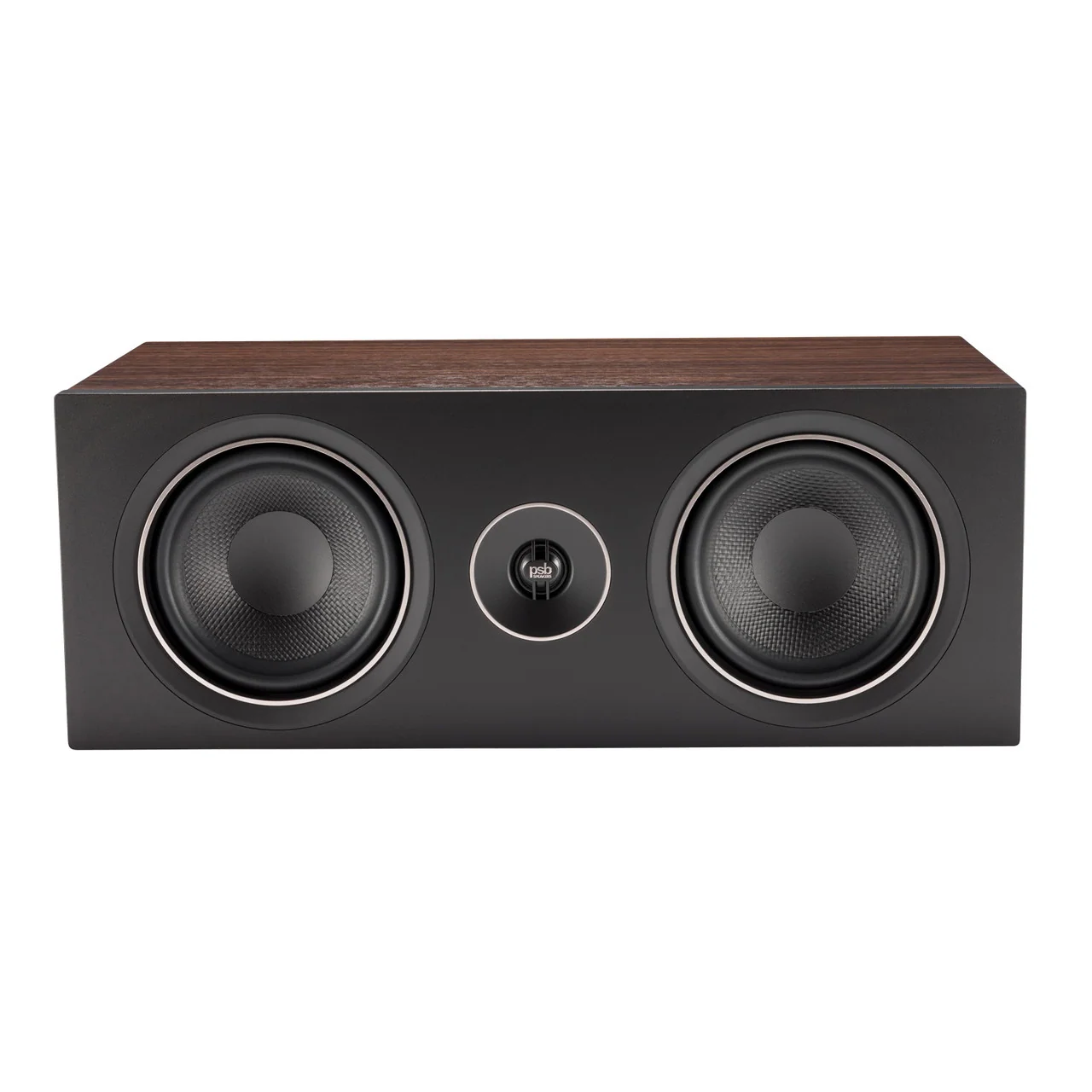
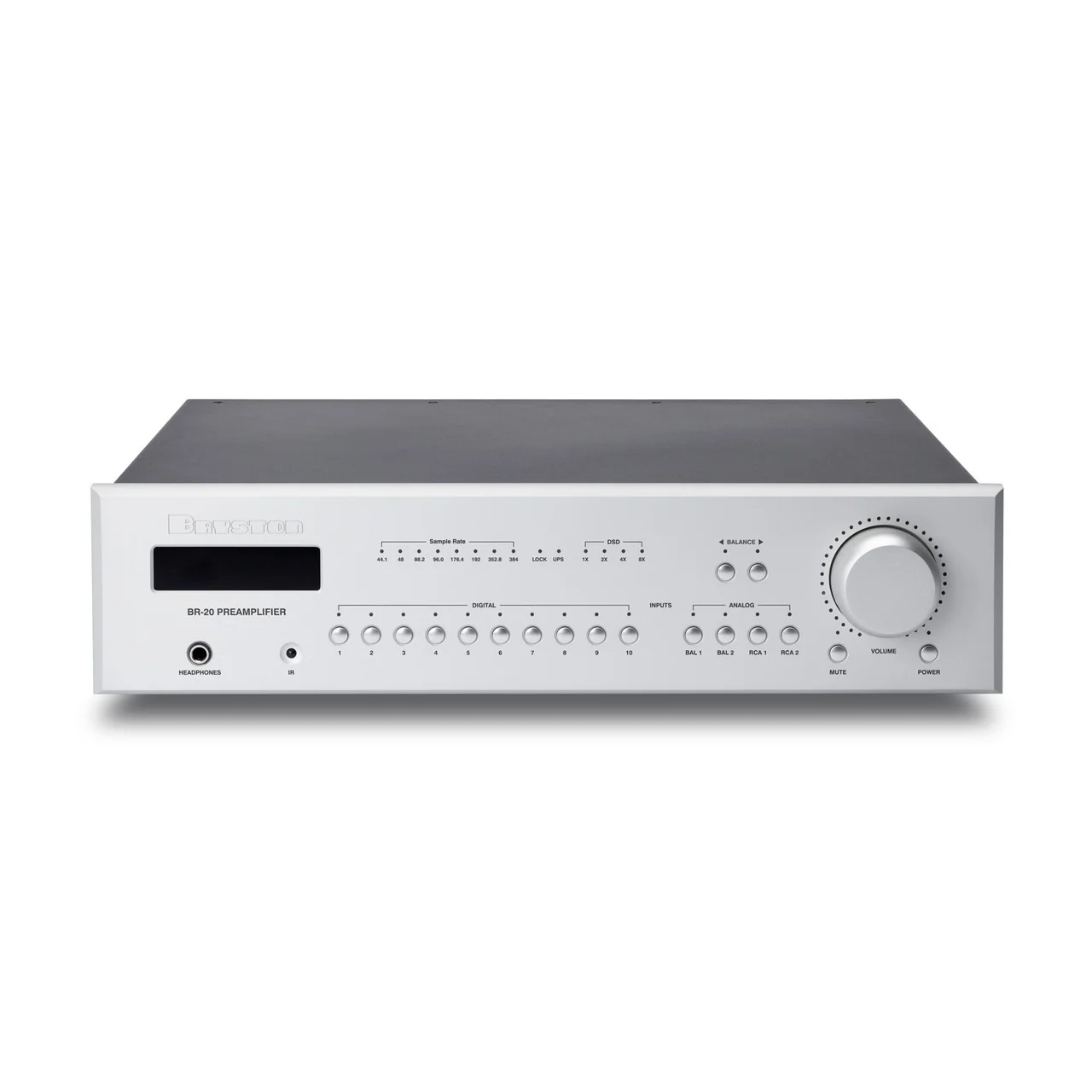
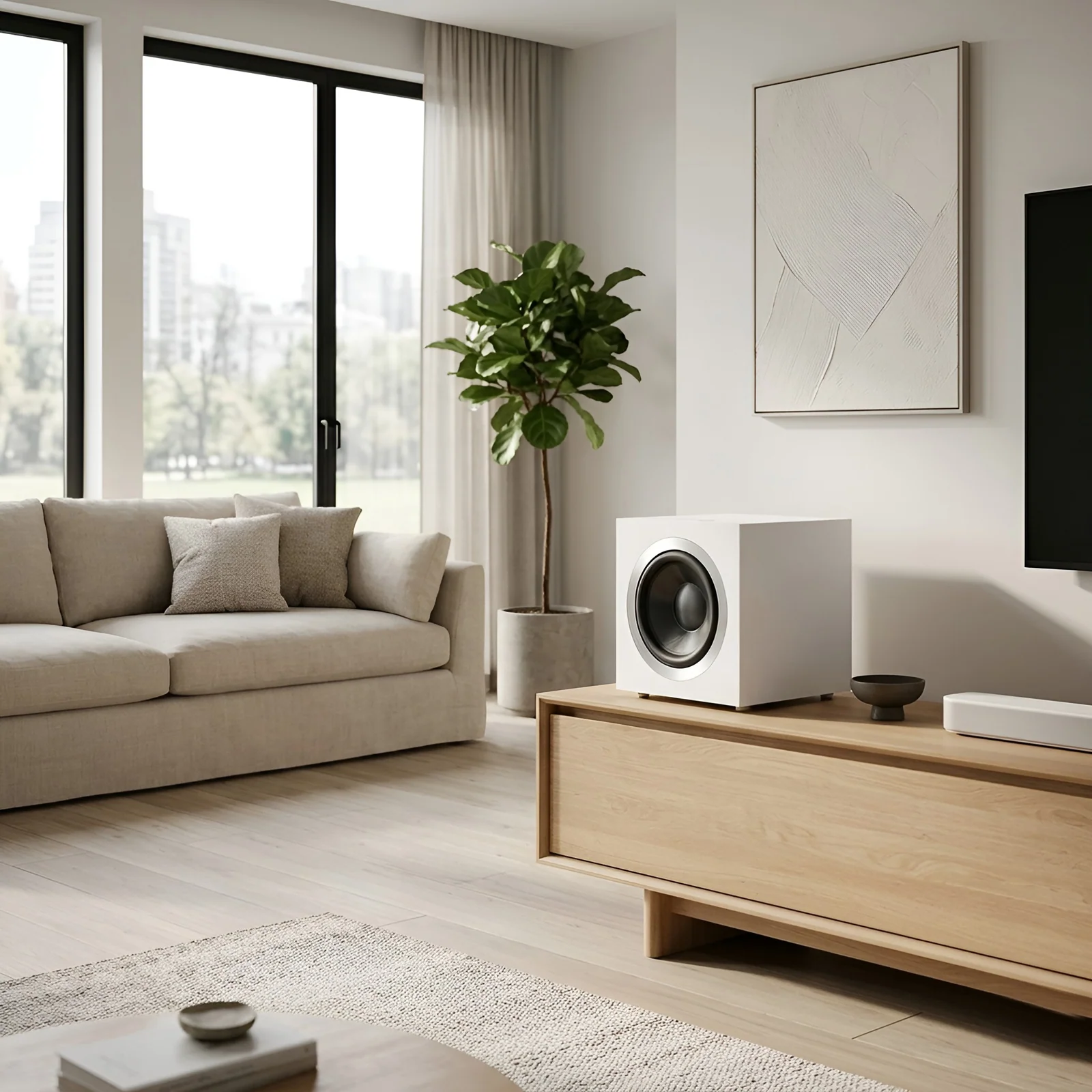
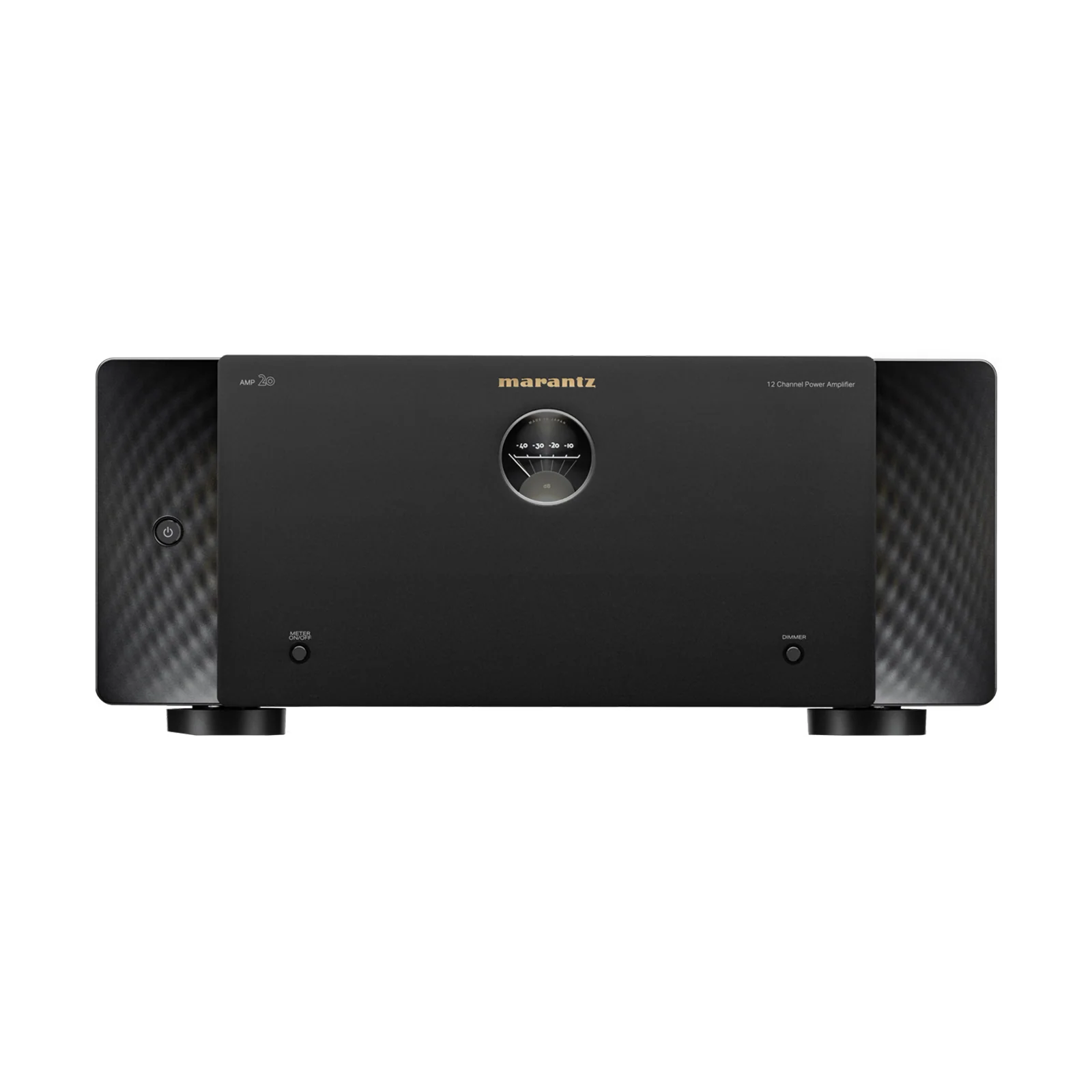
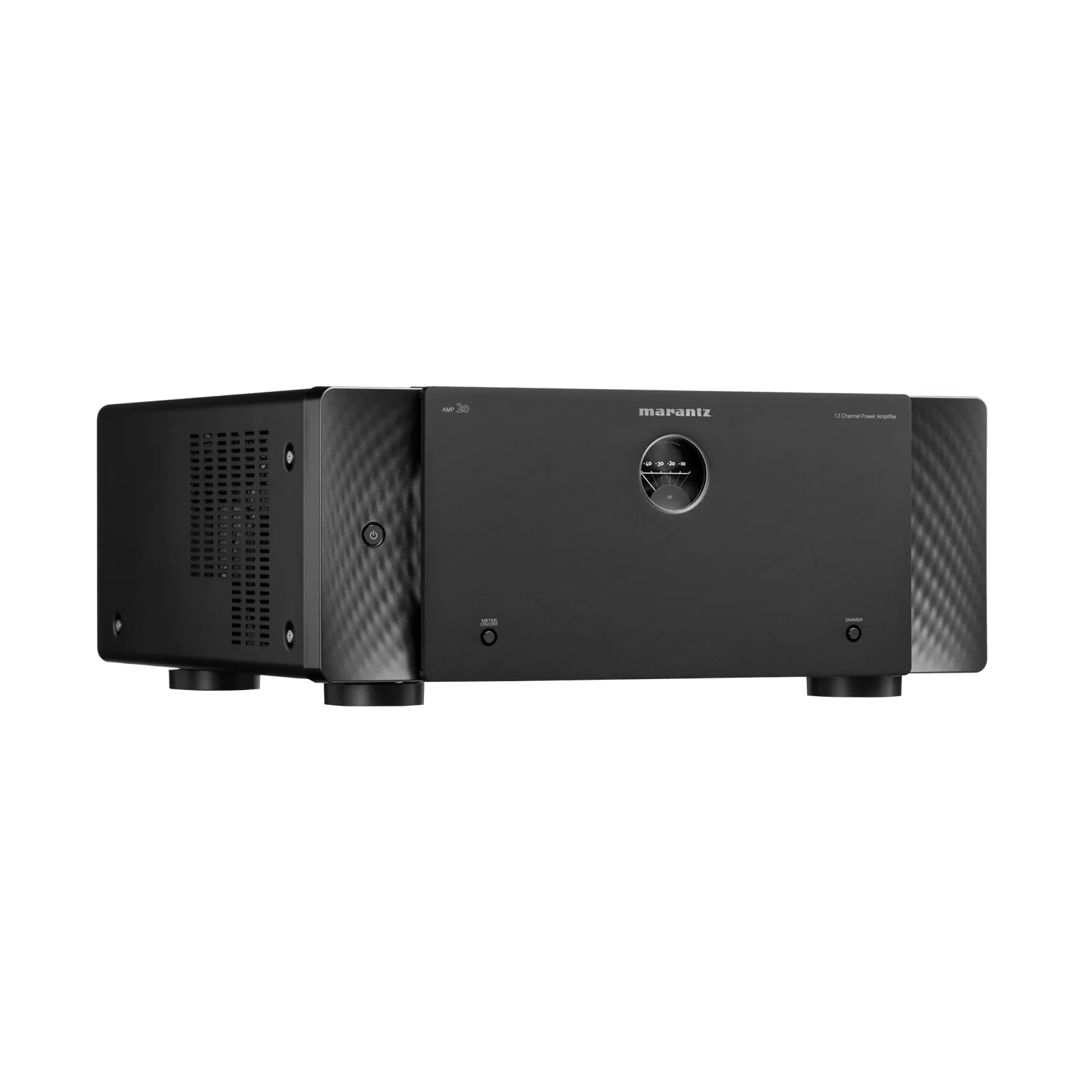
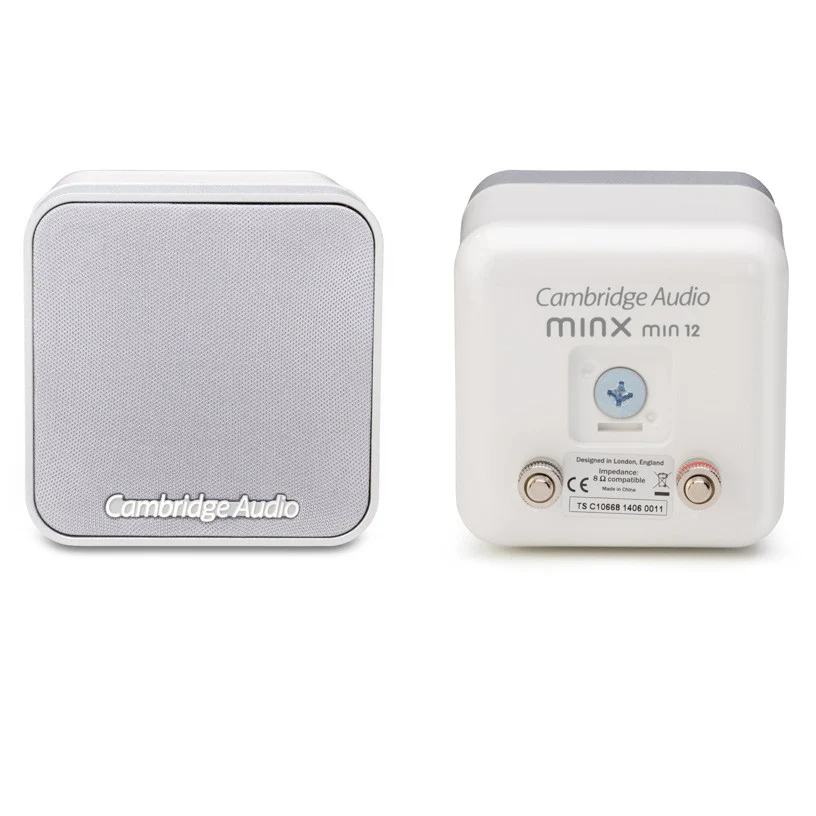
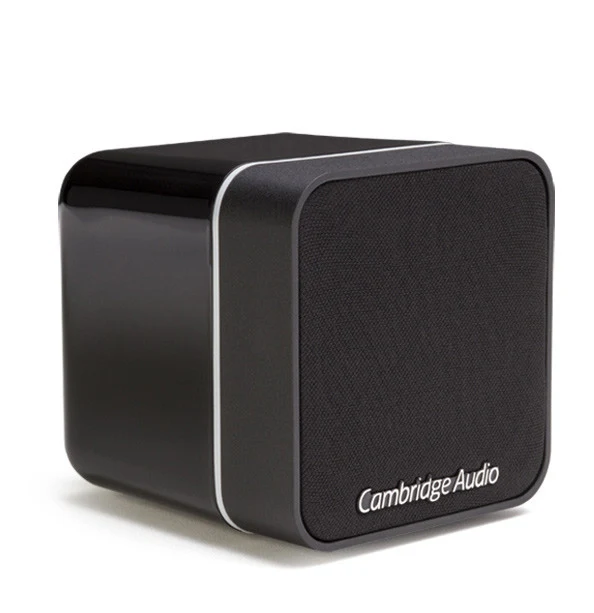
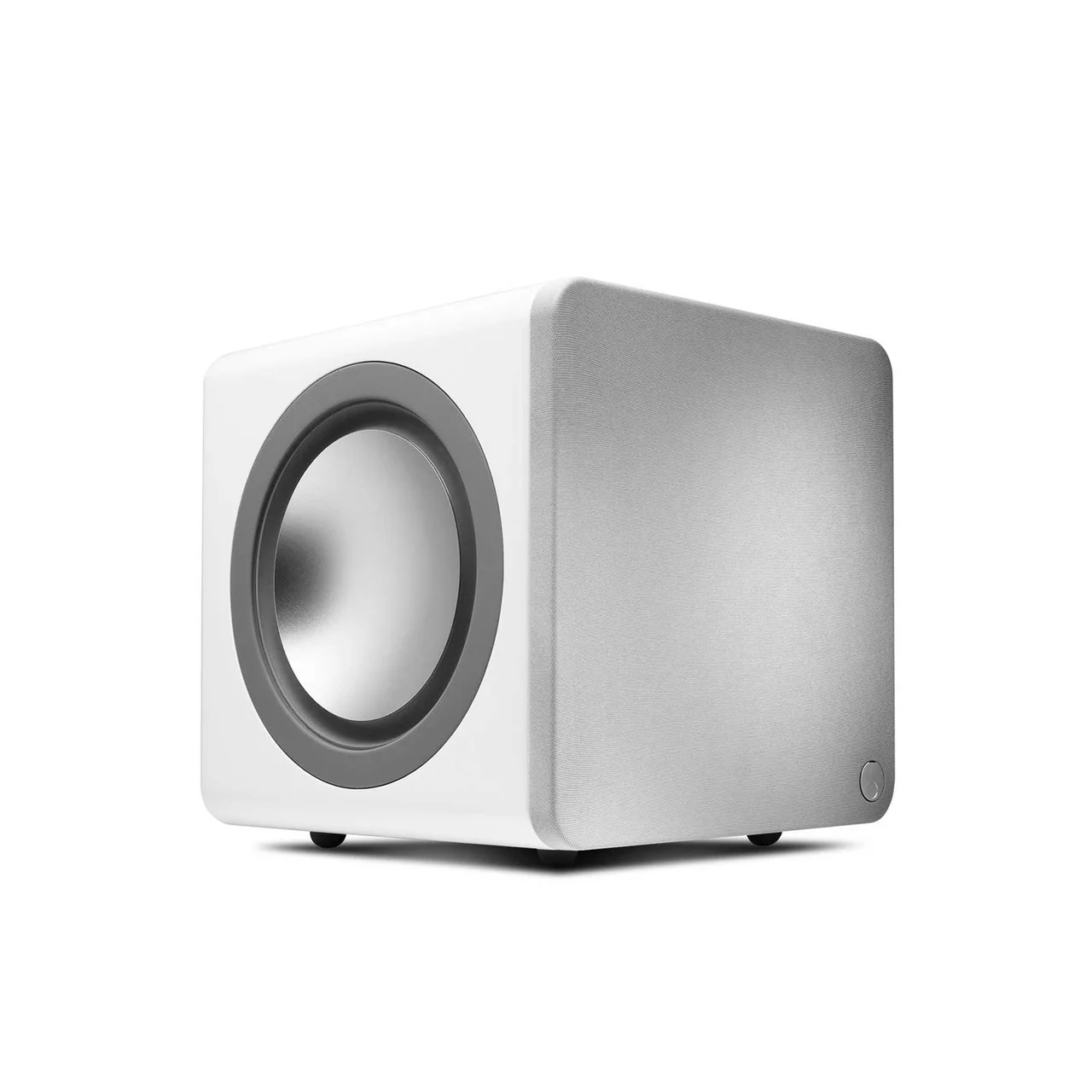
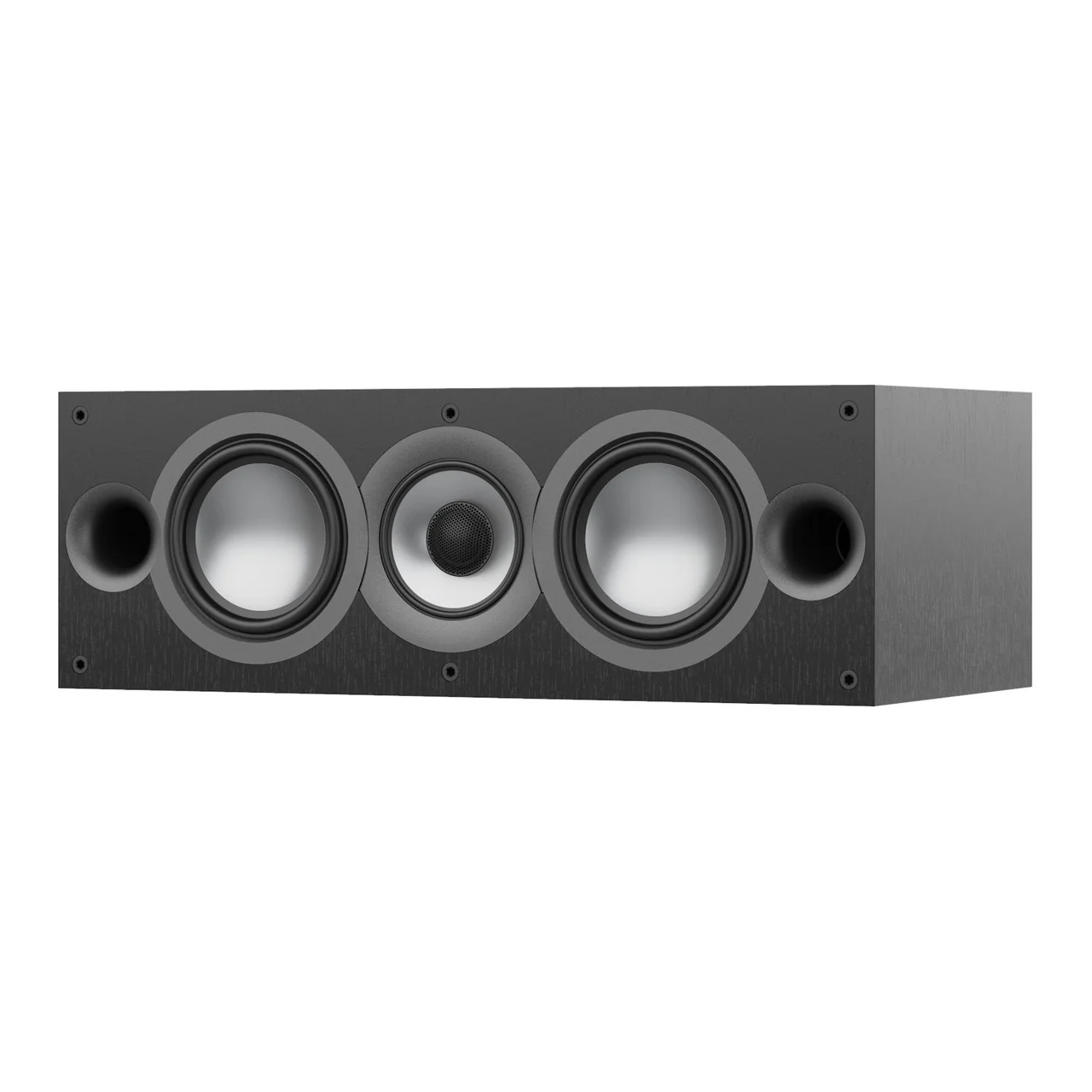
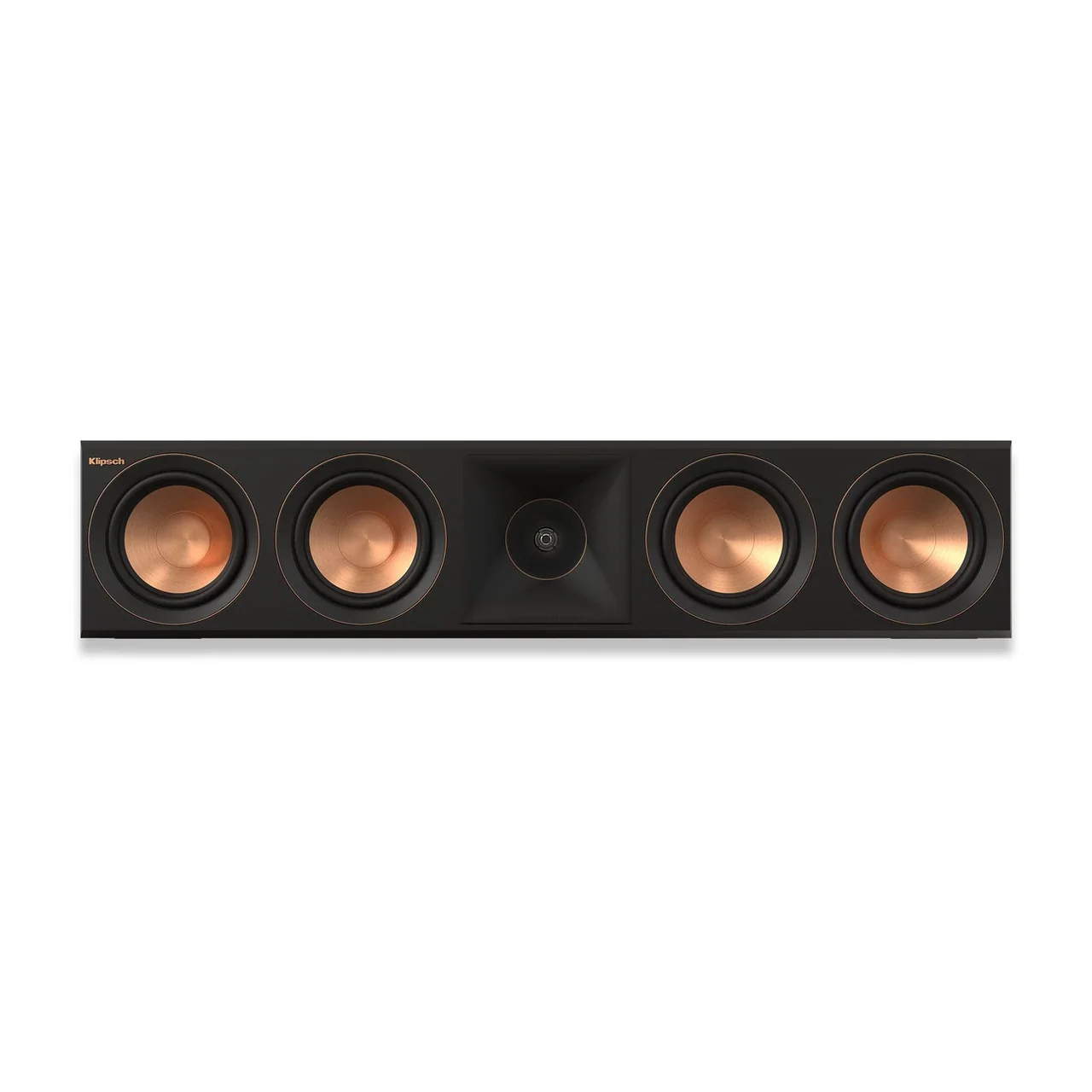
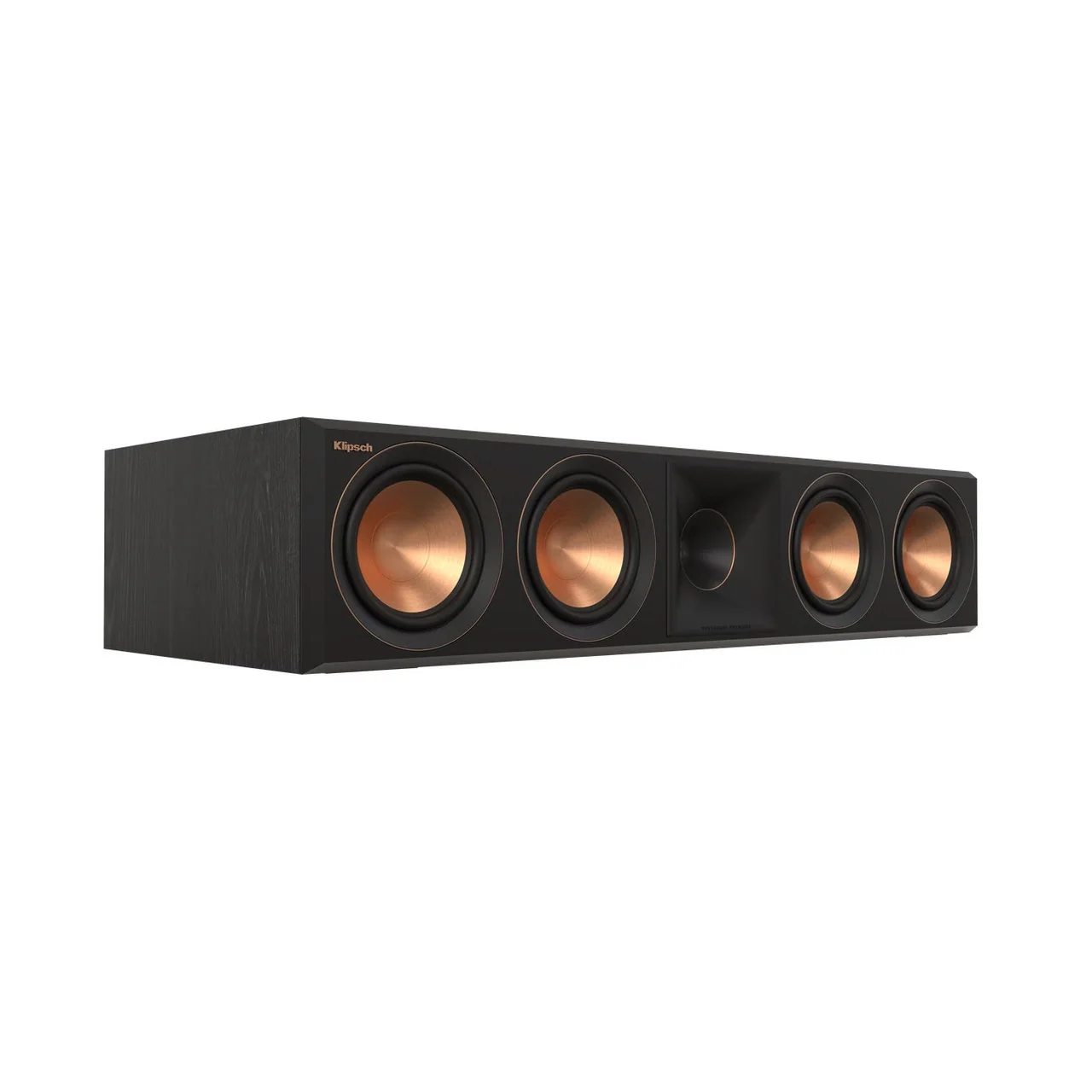
Here is what usually sits around it.
Only a power and standby switch. Volume, crossover, slope, phase and EQ are set from the app over Bluetooth LE.
To set it up, yes. Bowers & Wilkins supplies apps for iOS and Android. Settings are stored in the subwoofer, so you only need the phone to change something.
Two balanced XLR and two unbalanced RCA line-level inputs, plus a 12V trigger and RS-232. The RCA inputs are line level, not a phono stage.
Sealed, with a single front-firing driver, which is part of why it can sit close to a wall.
Yes. Connect a stereo amplifier to the XLR inputs and a receiver to the RCA inputs; each can have its own calibration.
Want to learn more about subwoofer placement, crossover settings, or room
Choose which cookies you'd like to allow. Necessary cookies keep the site working and can't be switched off.