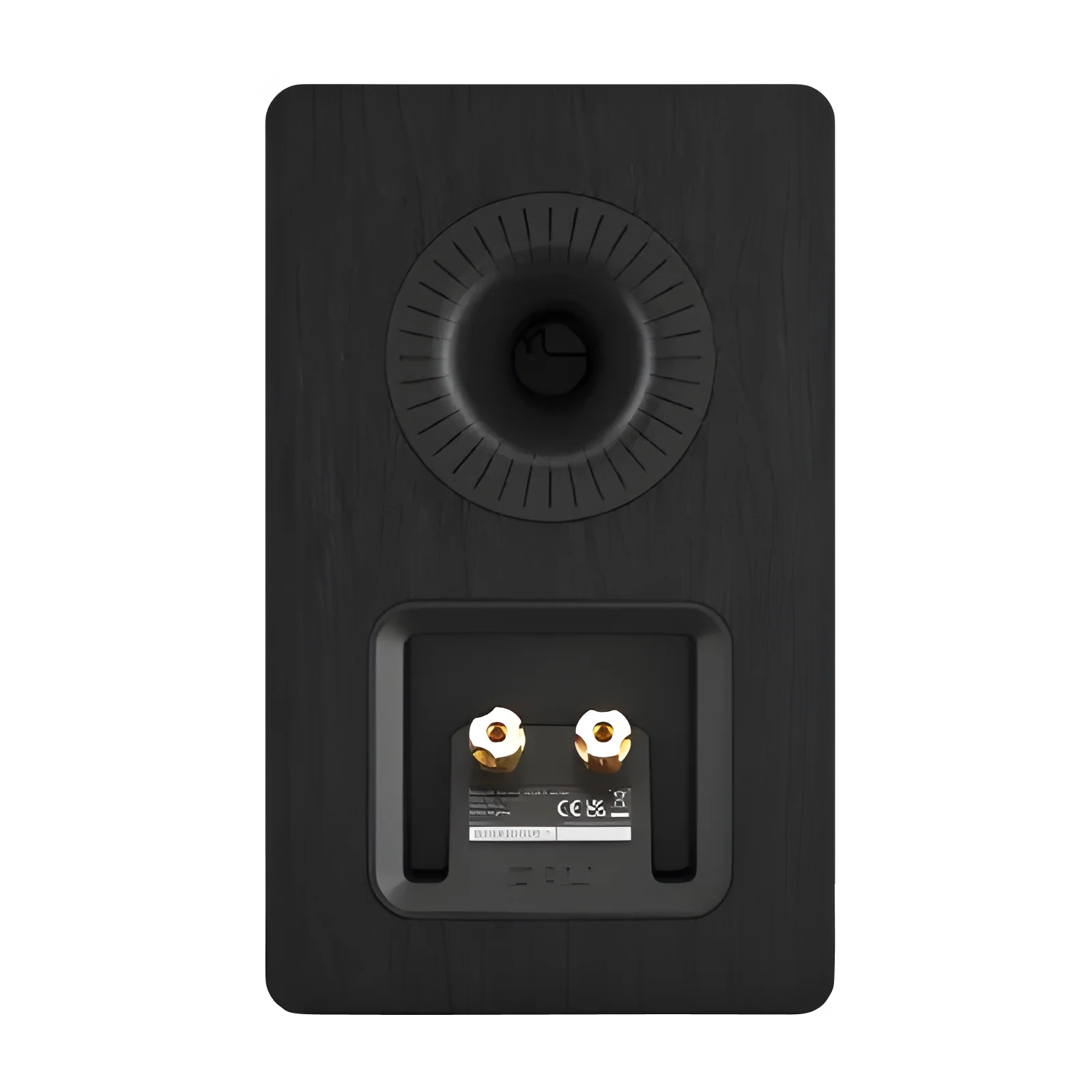
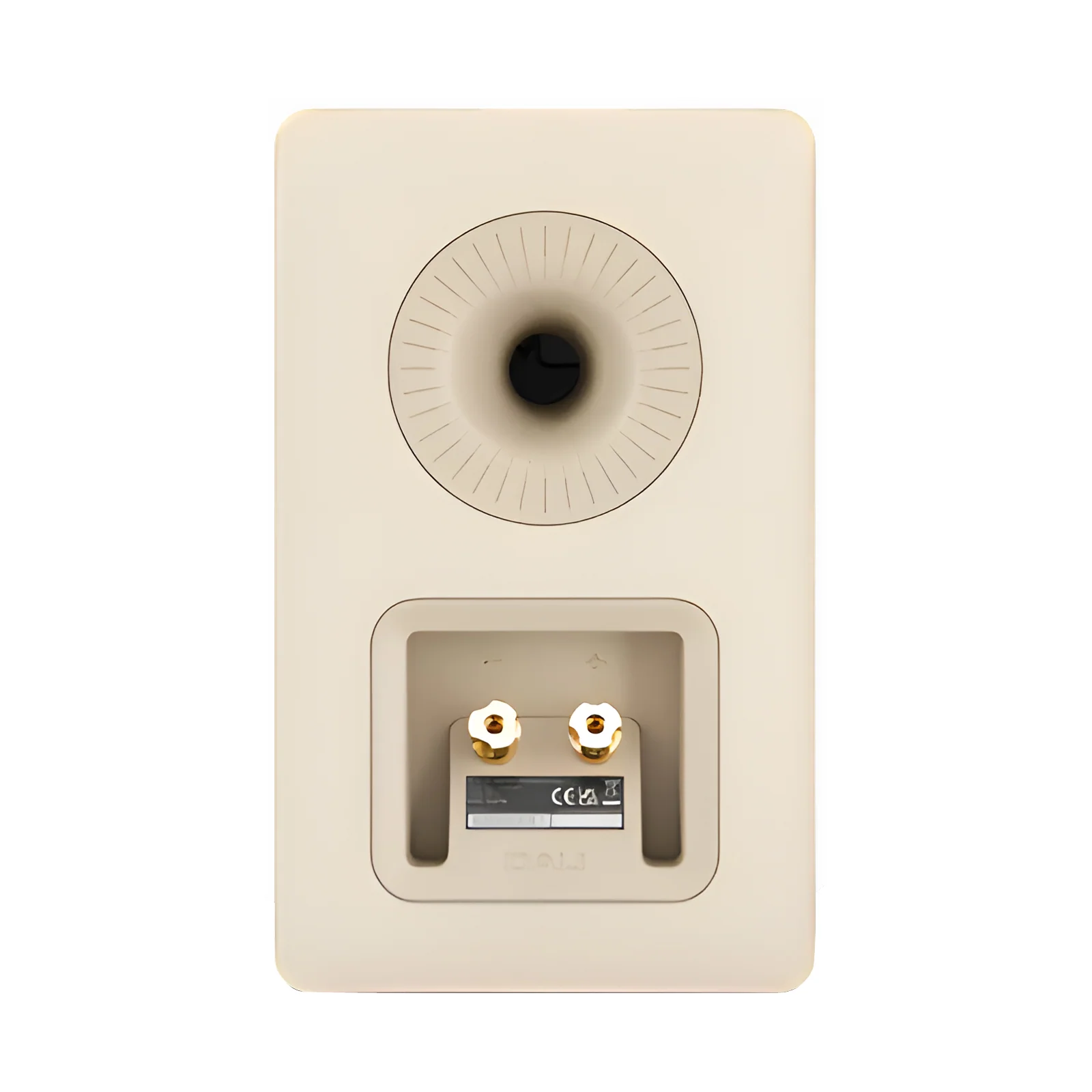
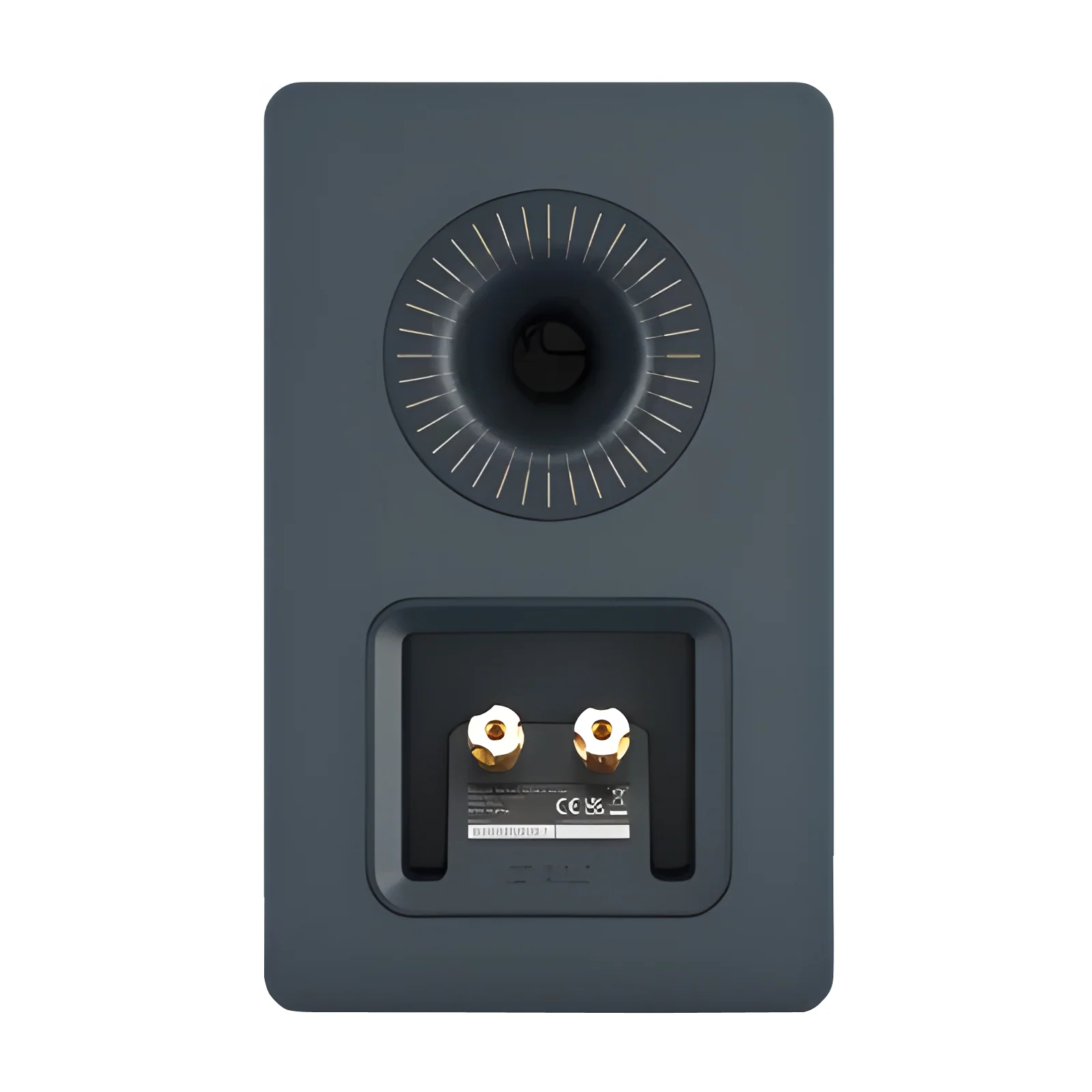
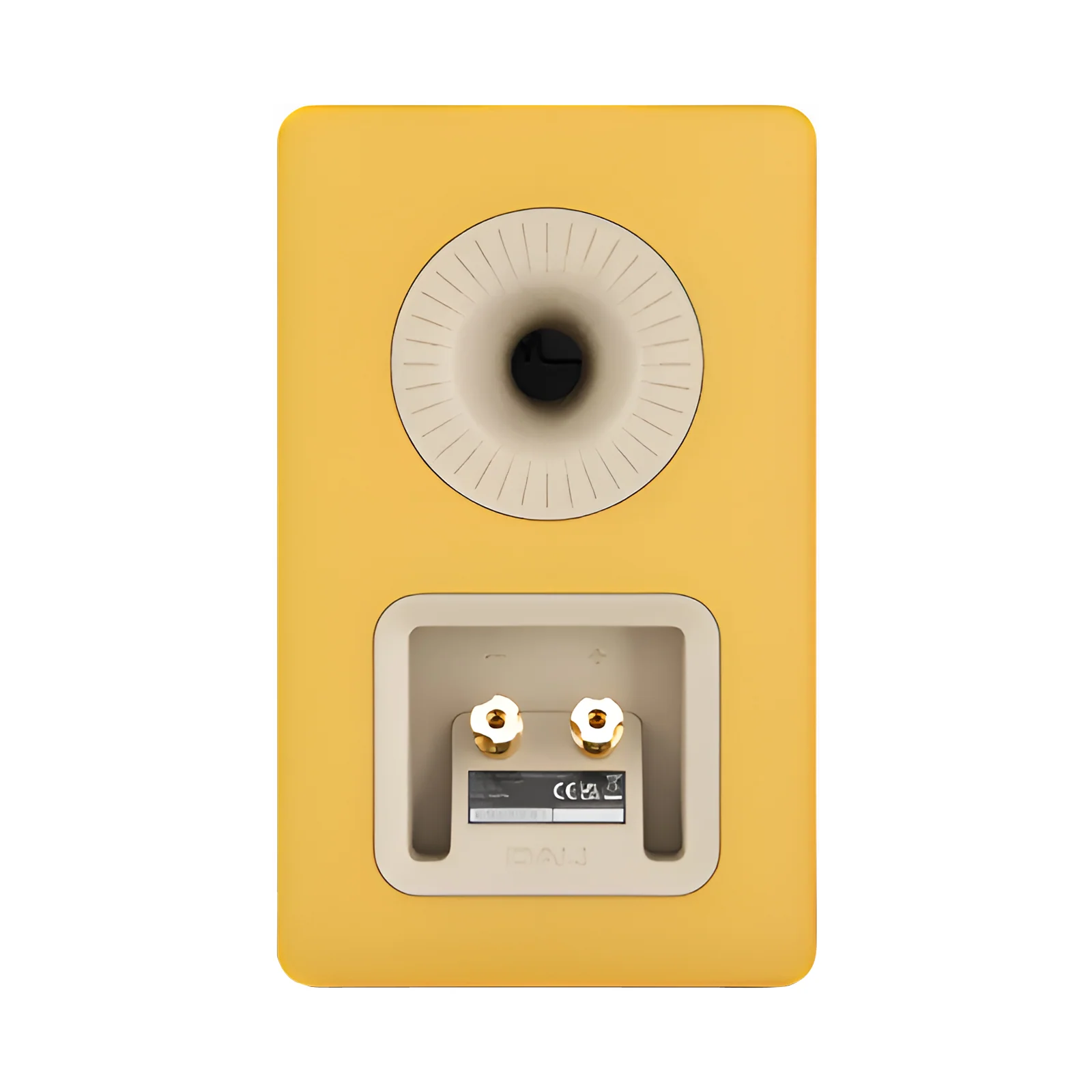
{{ variable.name }} : {{ variable.values[selectedVariantsIndex[variable_index]].name }}
Quantity:
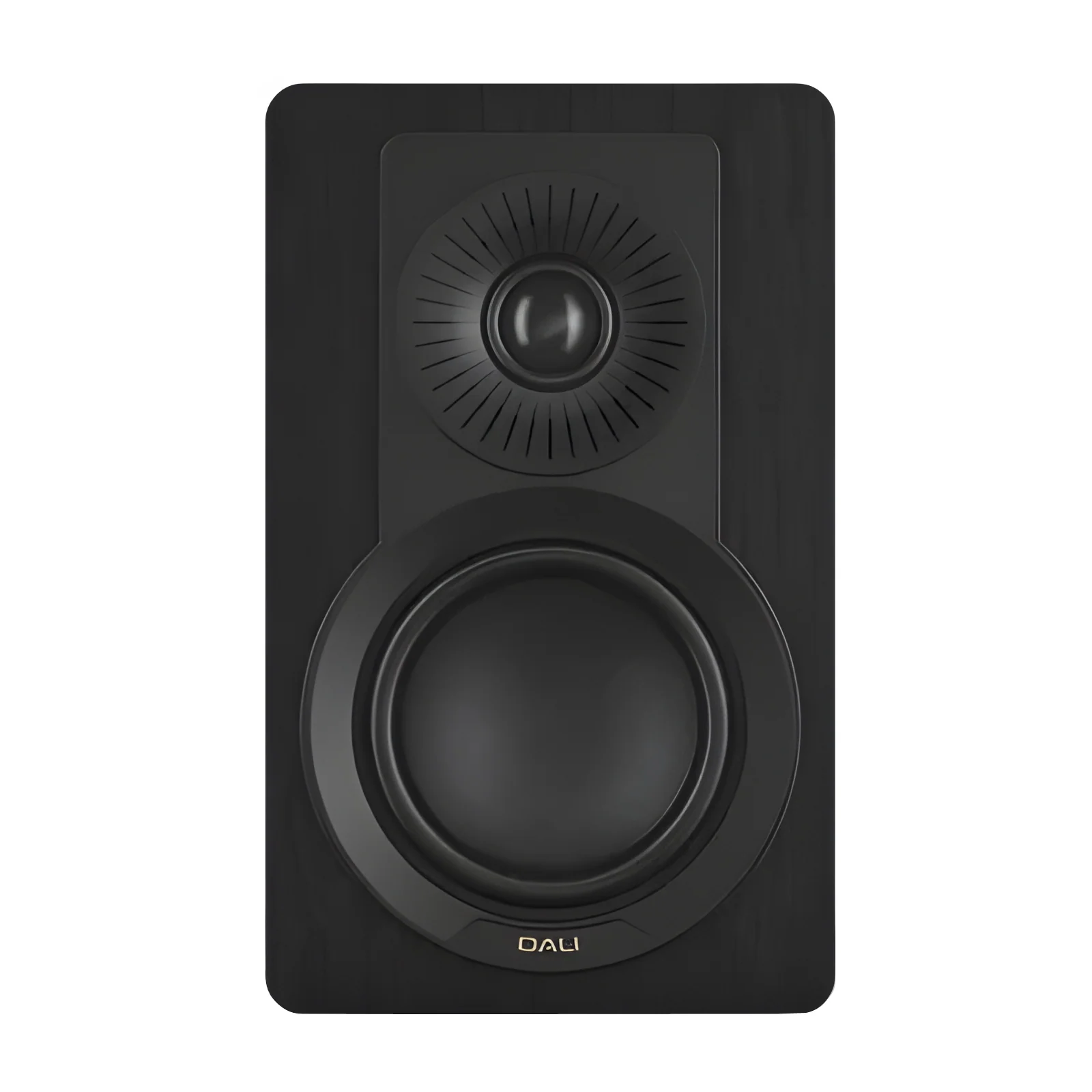
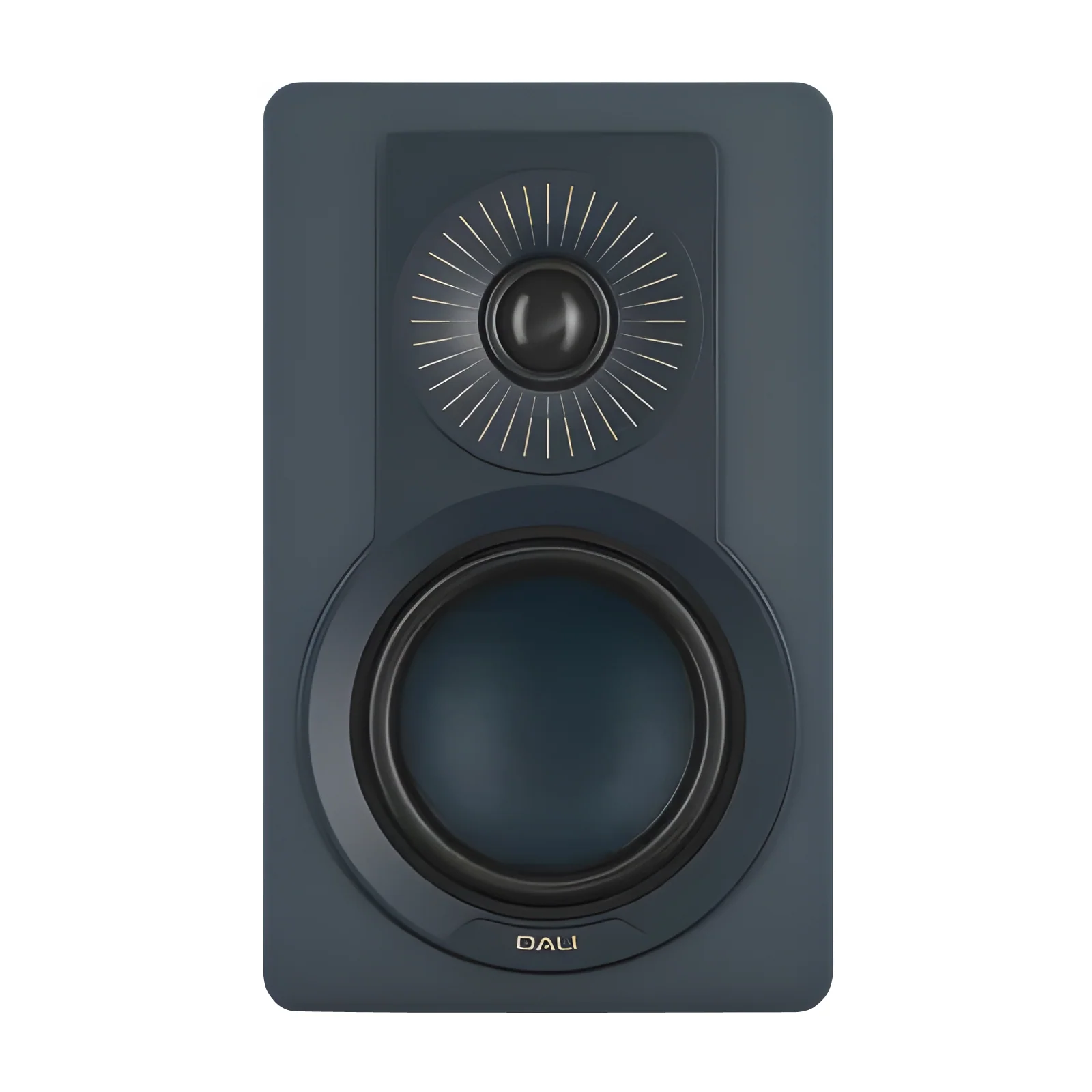
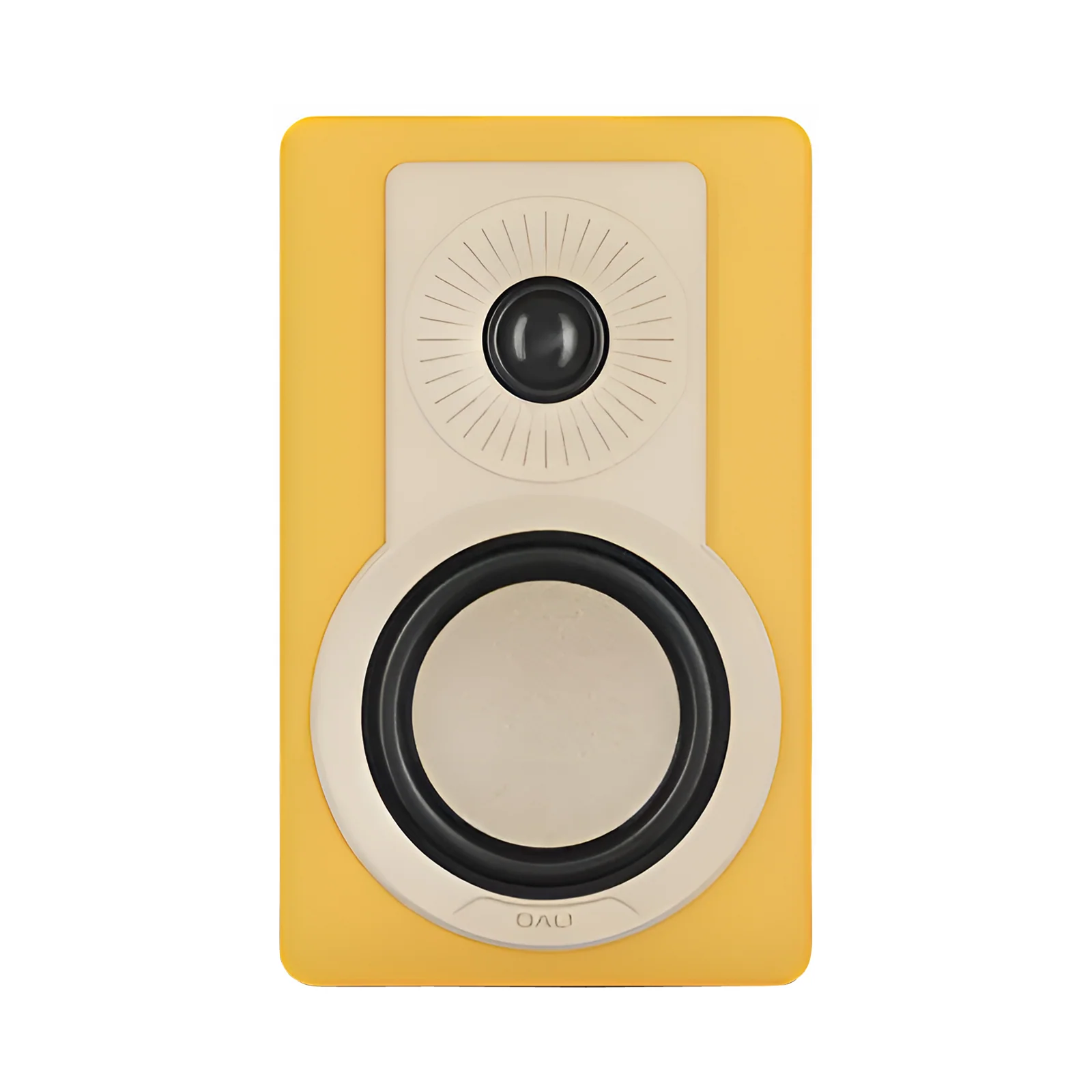
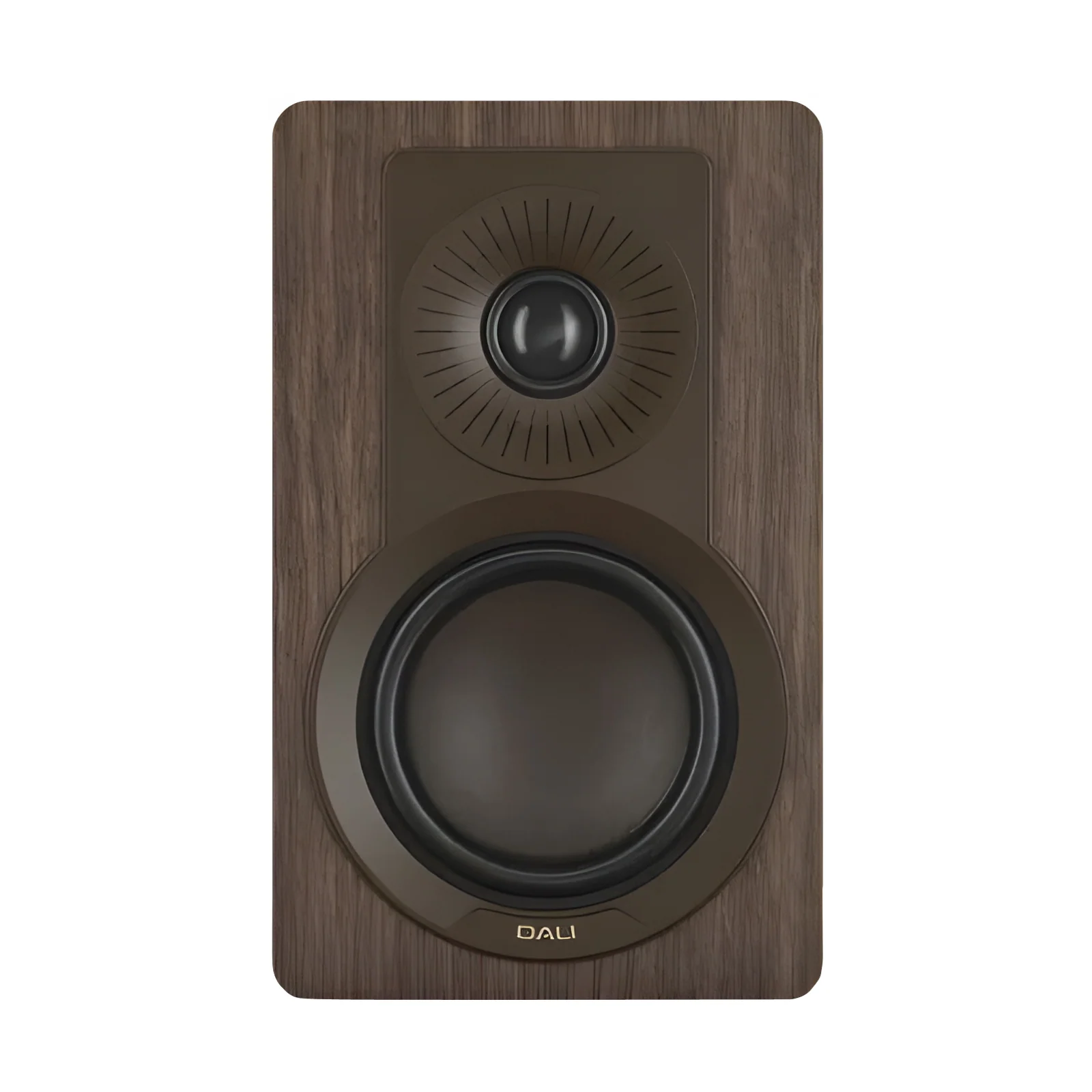
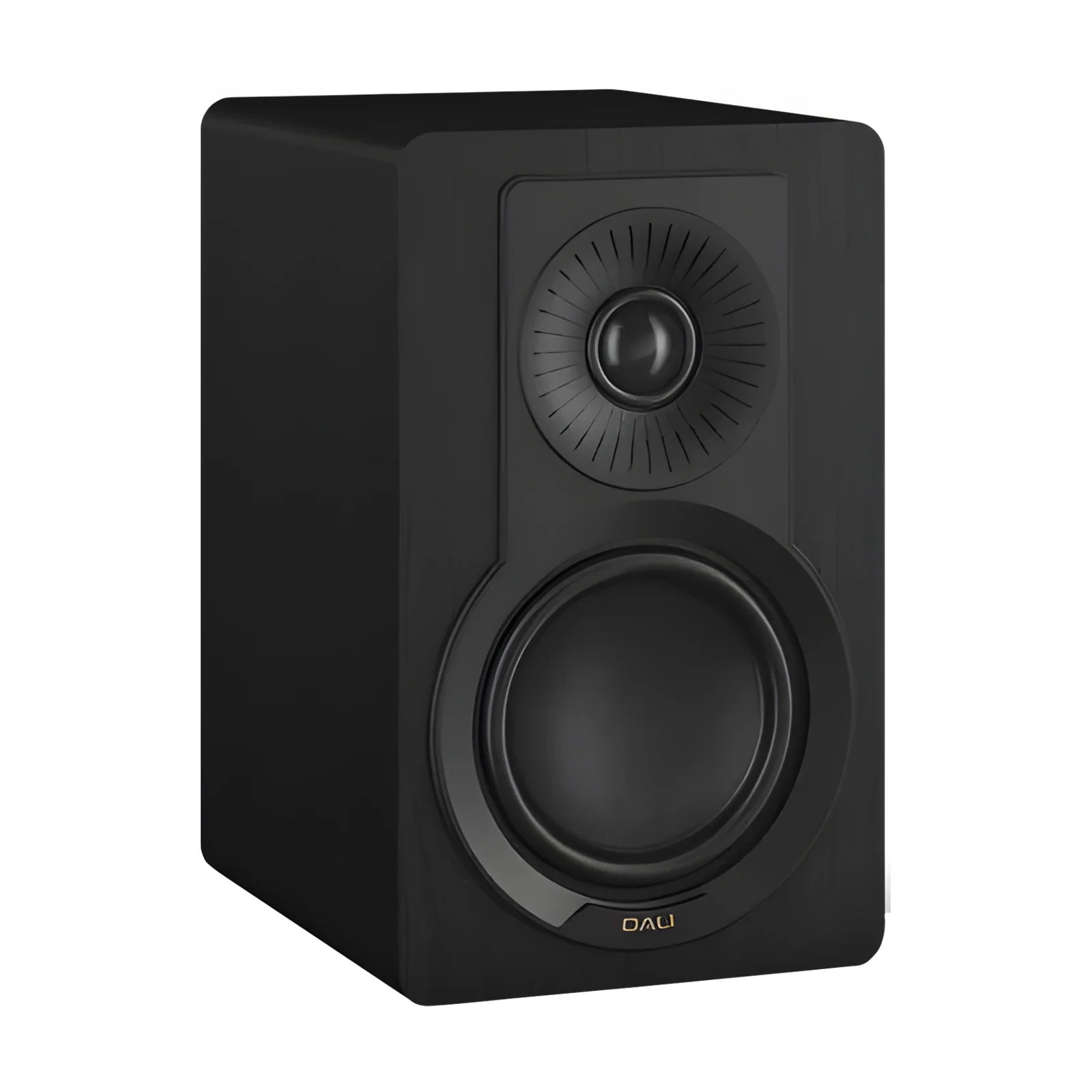
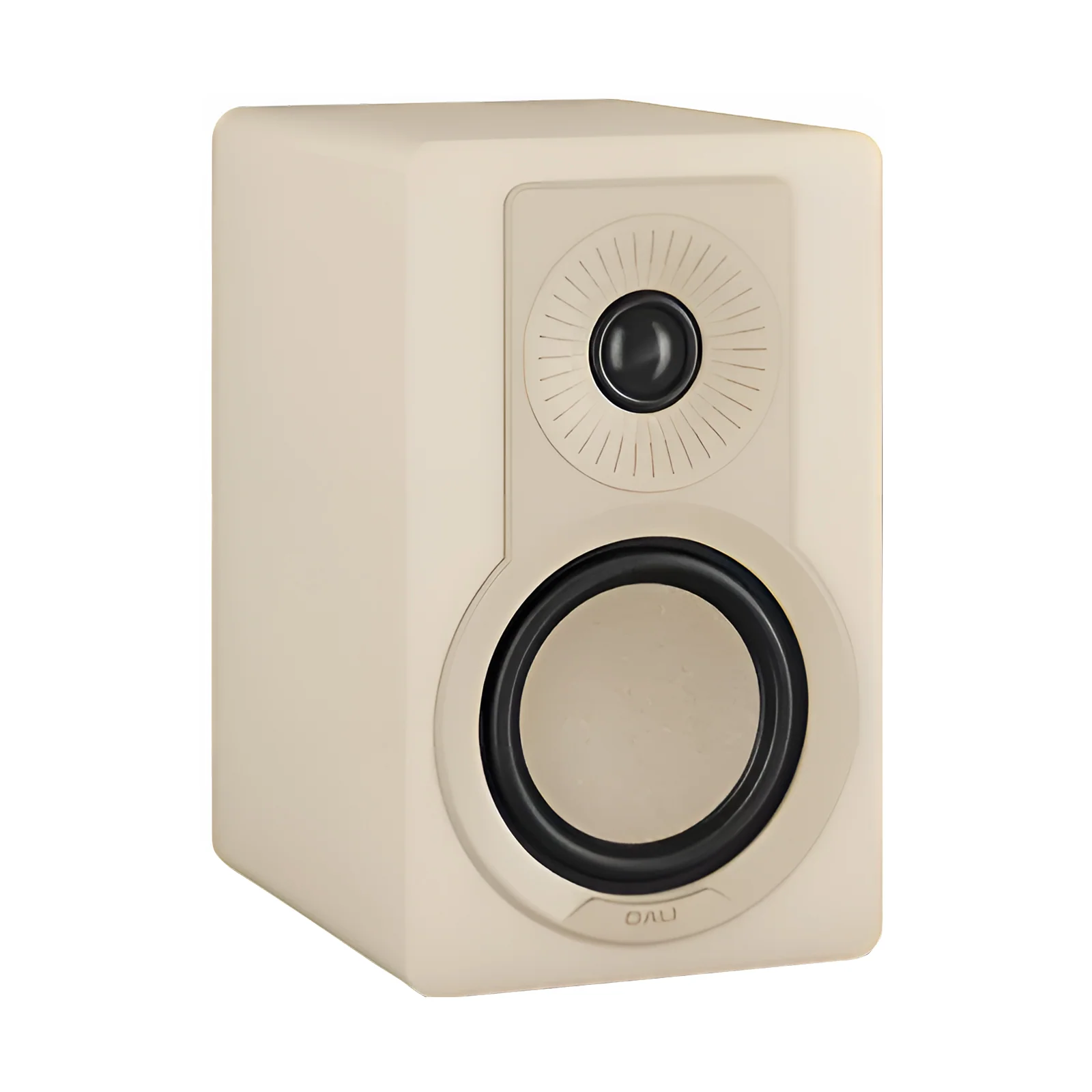
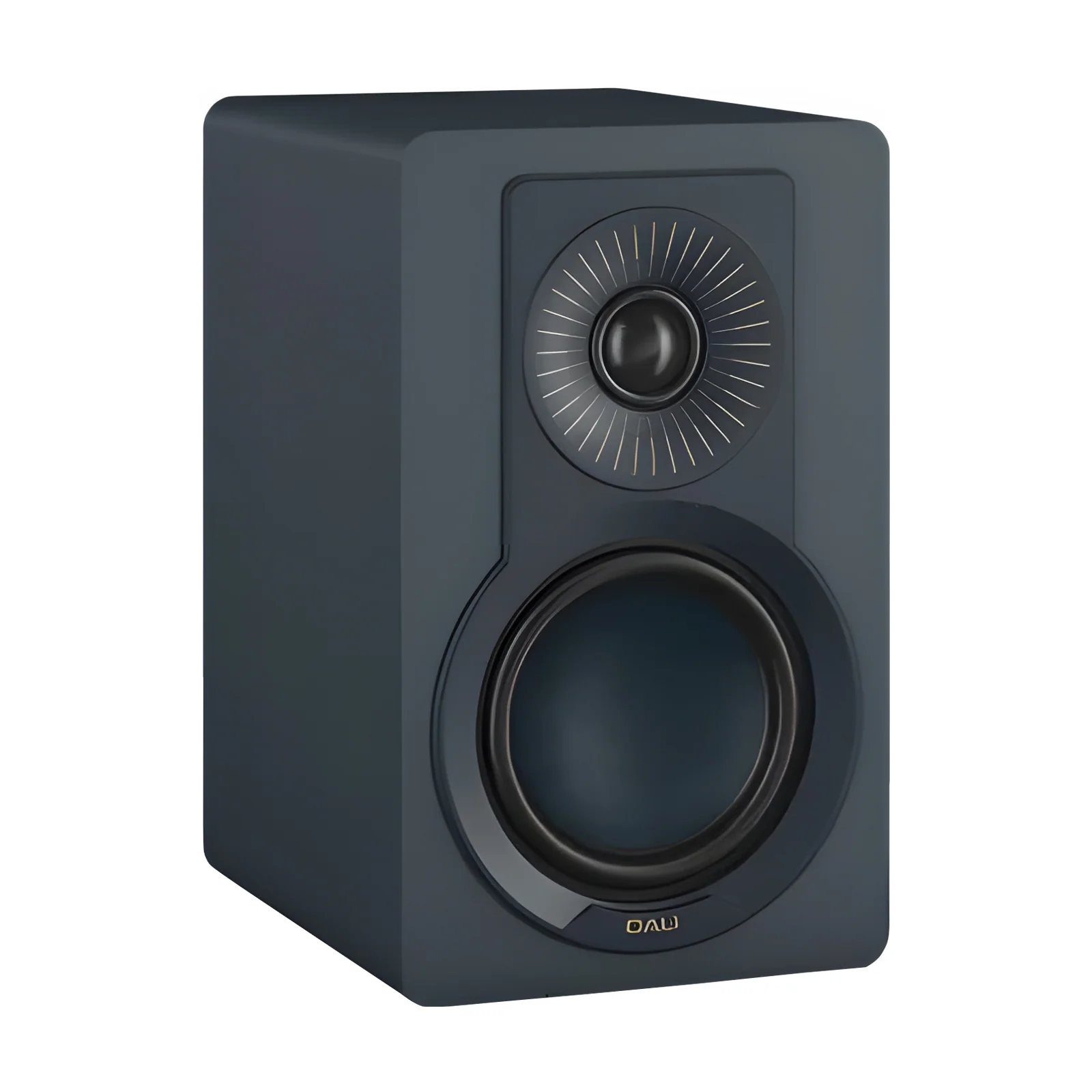
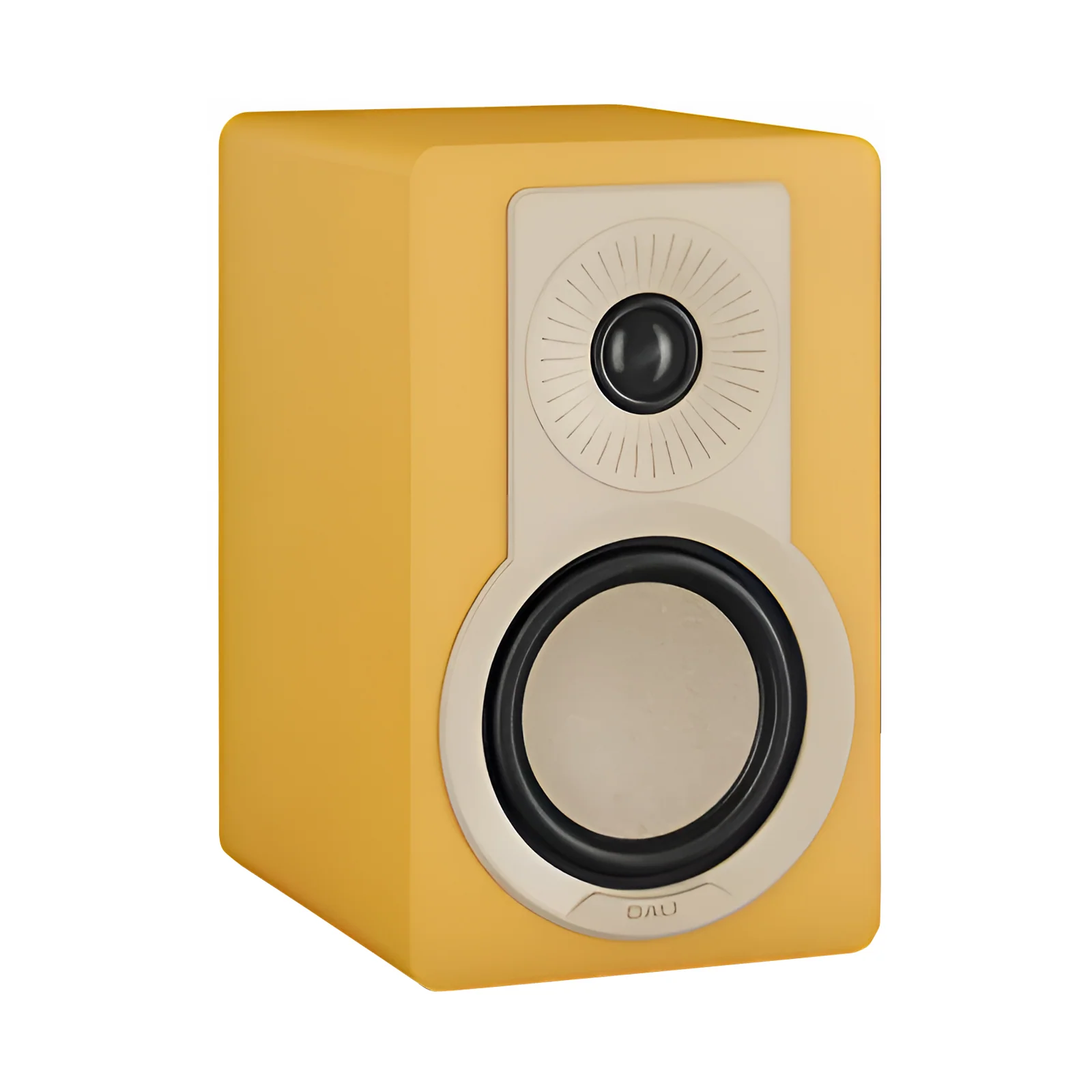
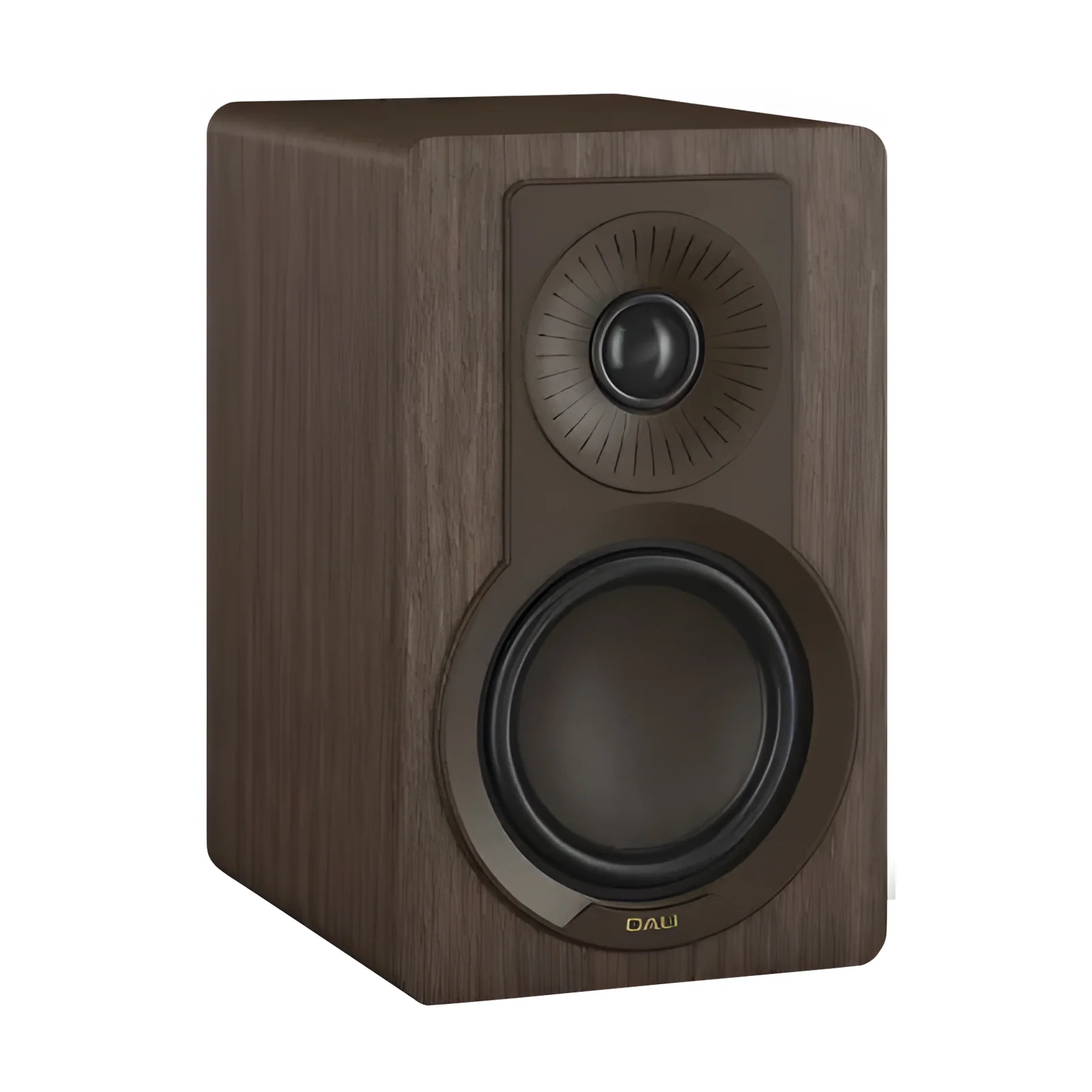
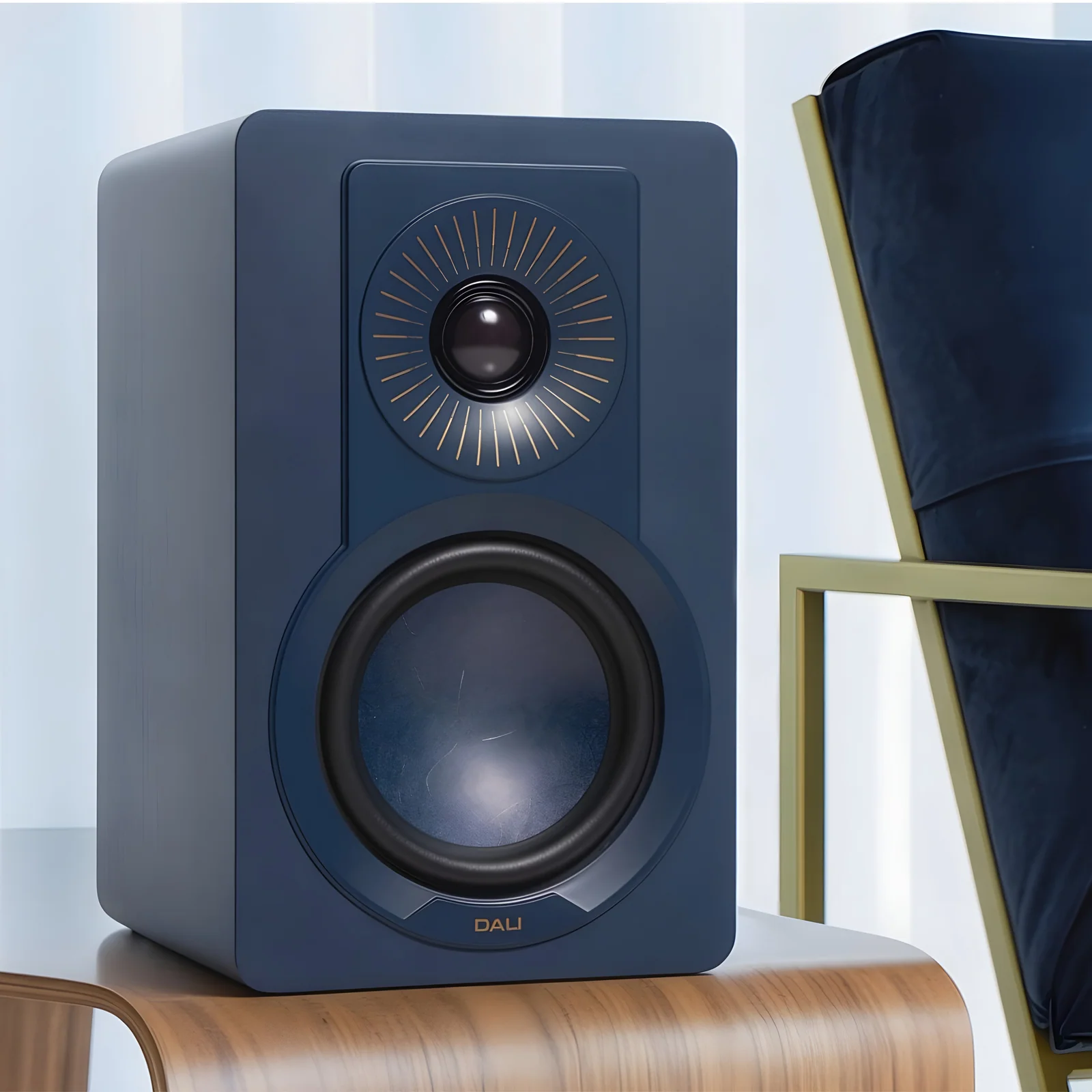
The KUPID is DALI’s return to the entry level, and it is the smallest passive speaker the Danish company makes. A 4.5-inch paper-and-wood-fiber woofer and a 26 mm soft dome tweeter share a cabinet under 10 inches tall, crossing over at 2,100 Hz. It launched in October 2025.
Within three months it had five stars from What Hi-Fi?, five from TechRadar and five from The Ear. The reason is the part you cannot see: DALI builds its own drivers, and the cone, tweeter and crossover thinking here is the same it uses in speakers costing many times as much.
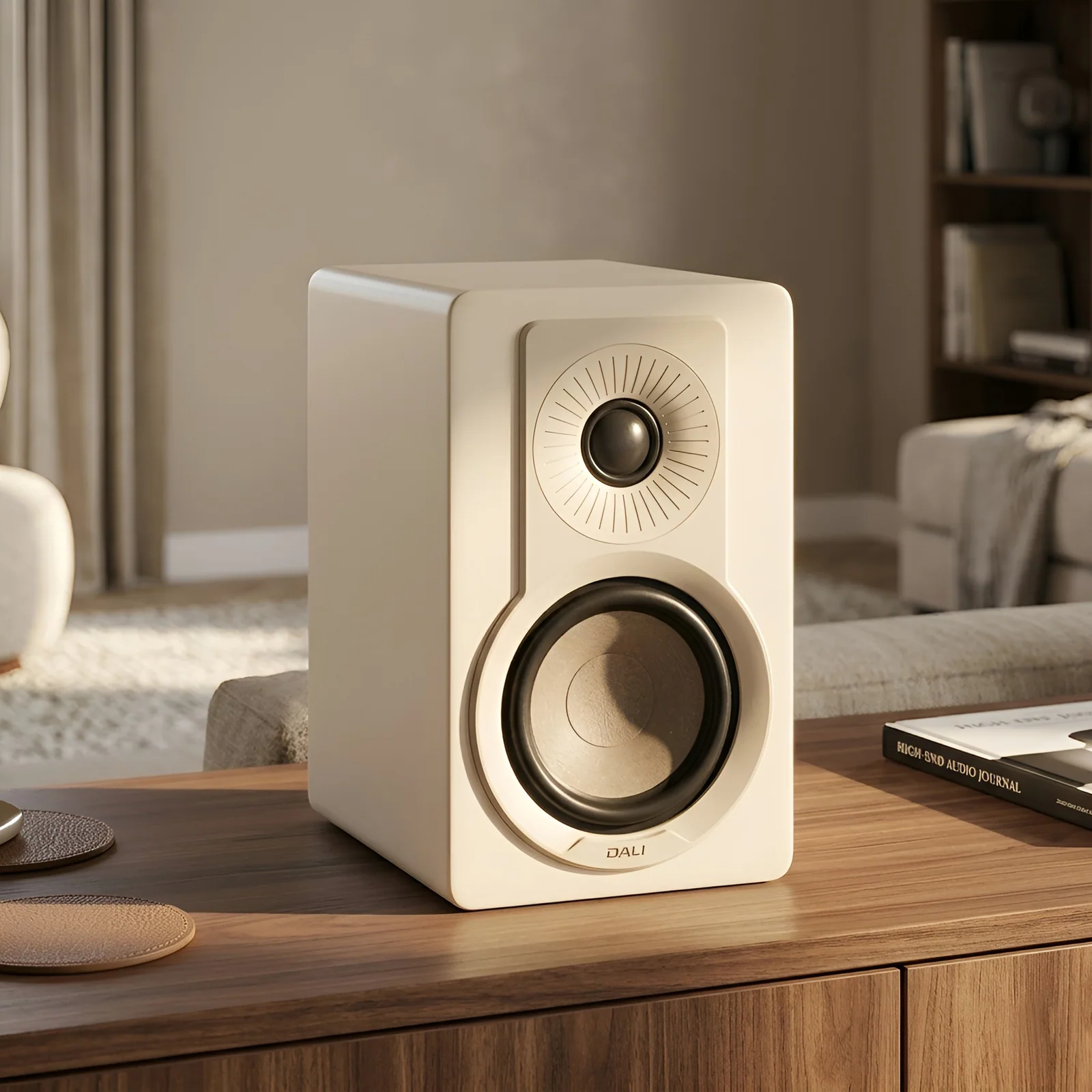
DALI mixes fine paper pulp with wood fibers, which leaves the cone surface deliberately uneven and breaks up resonances in the cone itself. The 26 mm dome is a size up from the usual 1 inch, sitting in a shallow waveguide shaped to blend with the woofer. A dual-flare rear port handles the bass.
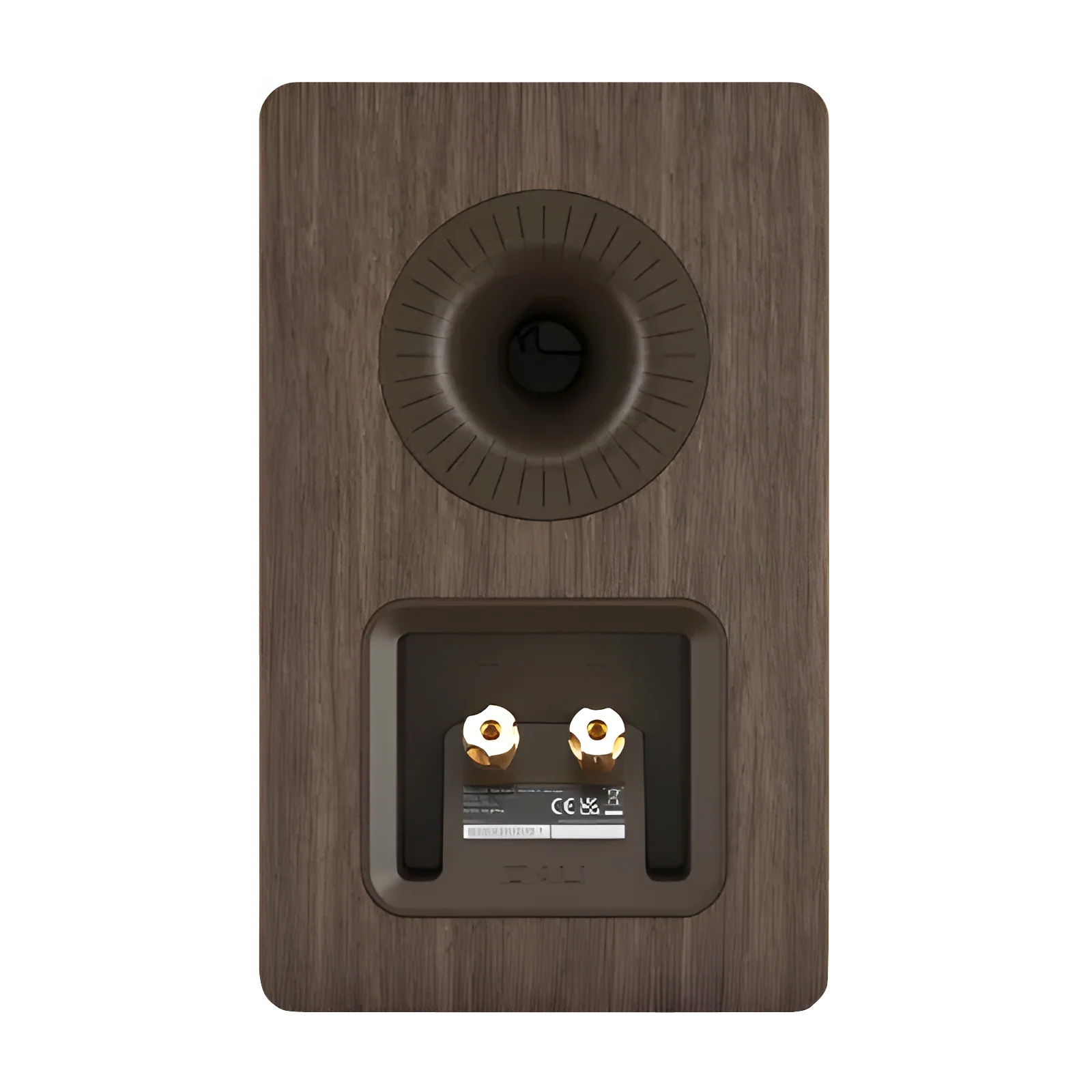
DALI quotes 63 Hz to 25 kHz within 3 dB. Sensitivity is 83 dB and nominal impedance is 4 ohms, so the recommended 40 to 120 watts should come from an amplifier comfortable into 4 ohms. Peak output is 103 dB, and the port is tuned to 53 Hz.
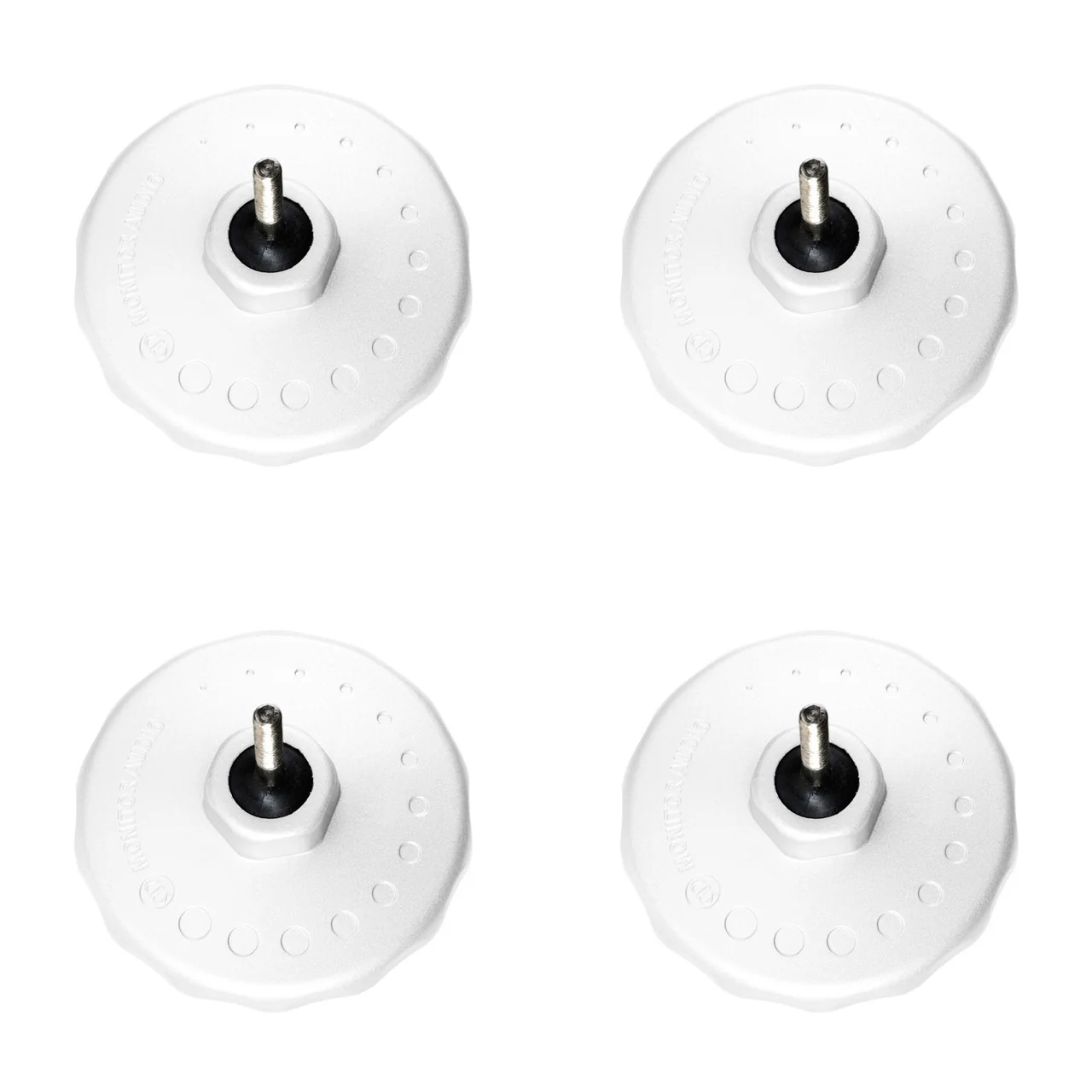
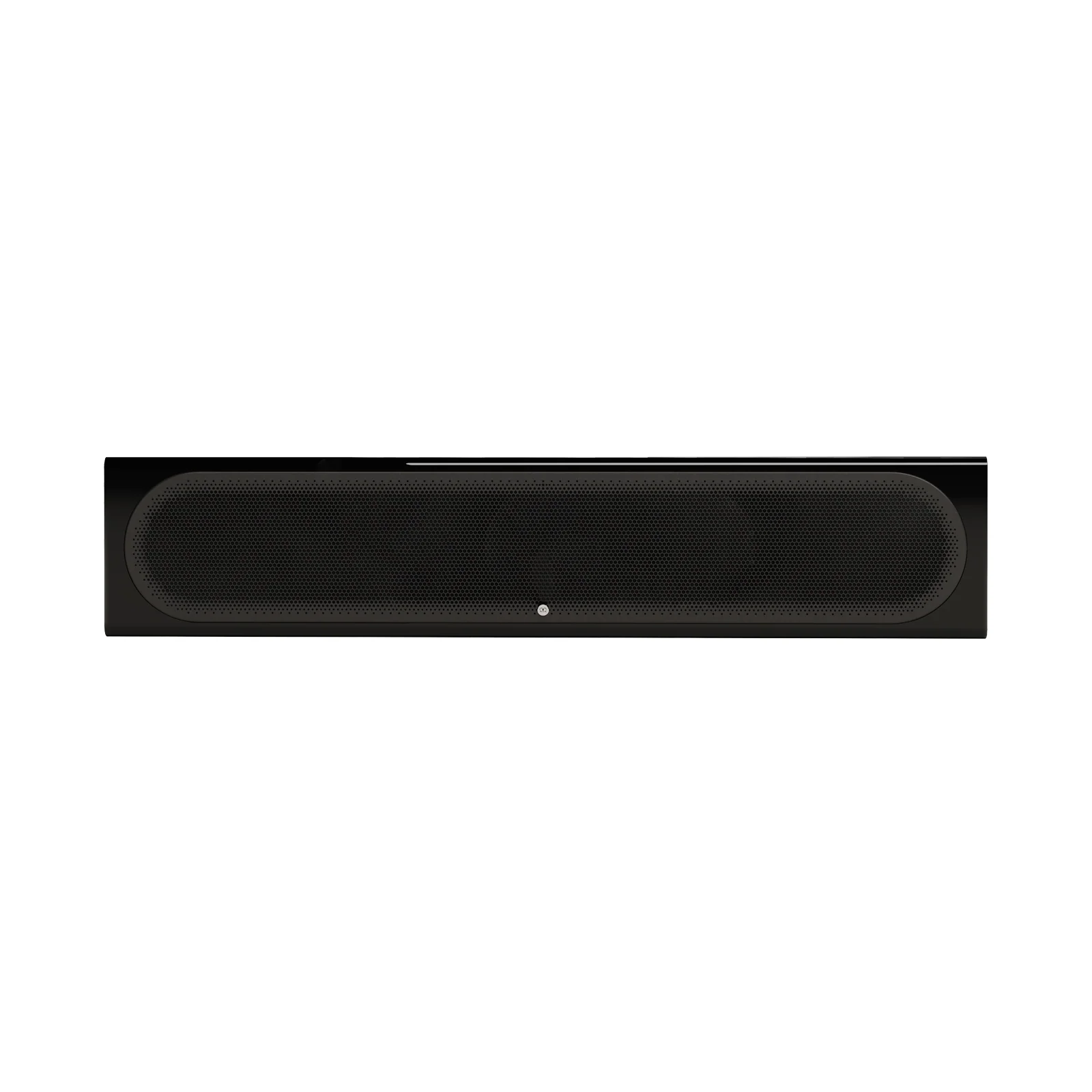
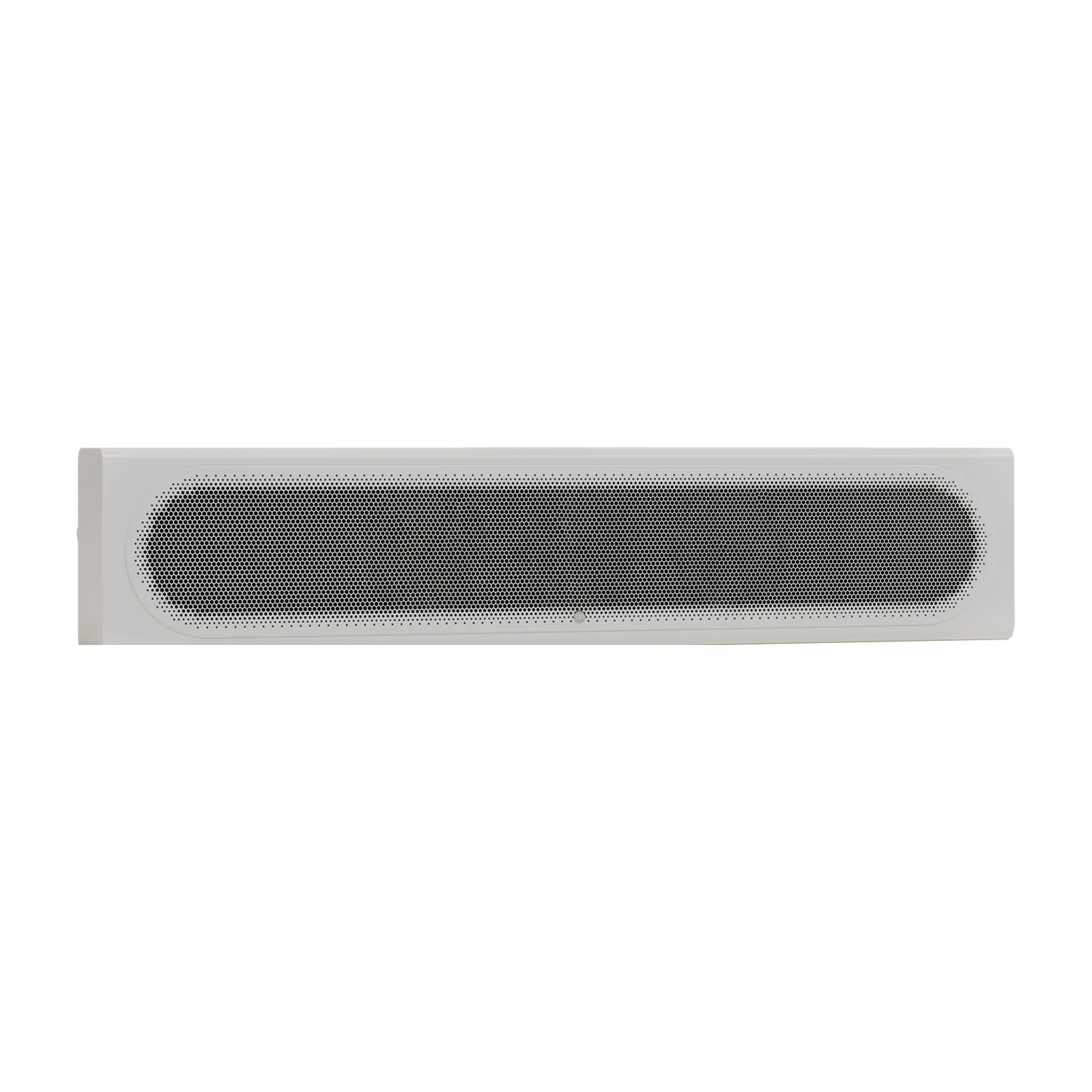
Each cabinet measures 9.6 by 5.9 by 7.8 inches and weighs 6.4 pounds with its grille. DALI rates placement from 1 inch to 24 inches from the wall behind, on a stand, a shelf or the wall. Two wall brackets, screws, eight rubber feet and two grilles come in the box.
Low sensitivity is the price of bass extension from a cabinet this small. What Hi-Fi? tried it with several modest amplifiers and "found they were easy enough to drive with most amplifiers we tried during testing". The one thing to avoid is a receiver rated only into 8 ohms.
Kashfia Kabir gave them five stars in What Hi-Fi? on October 1, 2025: "Dali has hit upon a winning combination in the Kupid speakers. Small size, attractive looks, entertaining sound and an affordable price – what more could you want?"
Simon Lucas, five stars in TechRadar on December 6, 2025: "As a gateway drug into a lifetime of ever-more capable, ever-more expensive passive loudspeakers, the Dali Kupid are very hard indeed to argue with."
The Ear, also five stars, on October 1, 2025: "It’s one of those products that redefines what’s possible at the entry level and means that those starting out can do so with the minimum of compromise."
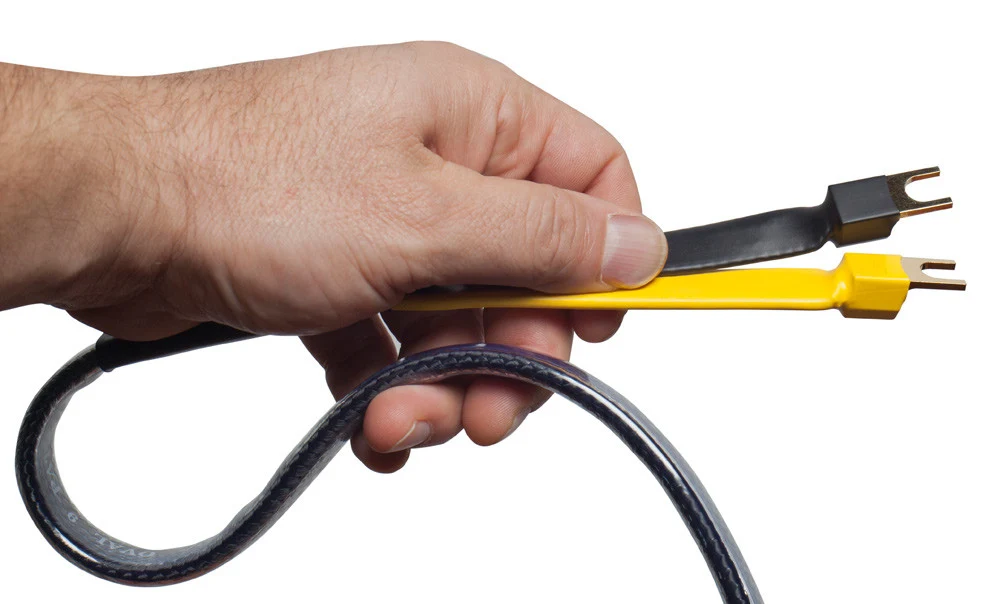
Speaker cable runs from your amplifier to a single pair of binding posts on each cabinet, red to red and black to black, with both runs the same length. These are passive speakers, so there is nothing else to power or configure.
Face them straight ahead rather than toward your seat, which is how DALI voices all its speakers. On a shelf, use the rubber feet; on the wall, the supplied brackets. DALI suggests about 100 hours of playing before they sound their best.
What finishes the setup. These are the categories most KUPID owners shop next.
Yes. The price is for two speakers, with two grilles, two wall brackets, screws and eight rubber feet in the box.
DALI recommends 40 to 120 watts into 4 ohms. Martin tried a 20 watt amplifier and found them "flat and emotionless", then an 80 watt receiver and found them solid. Budget for the amplifier.
Yes. Brackets and screws are included, and DALI rates them from an inch off the wall. Martin notes that close to a wall the bass tightens up, so a subwoofer helps if you go that route.
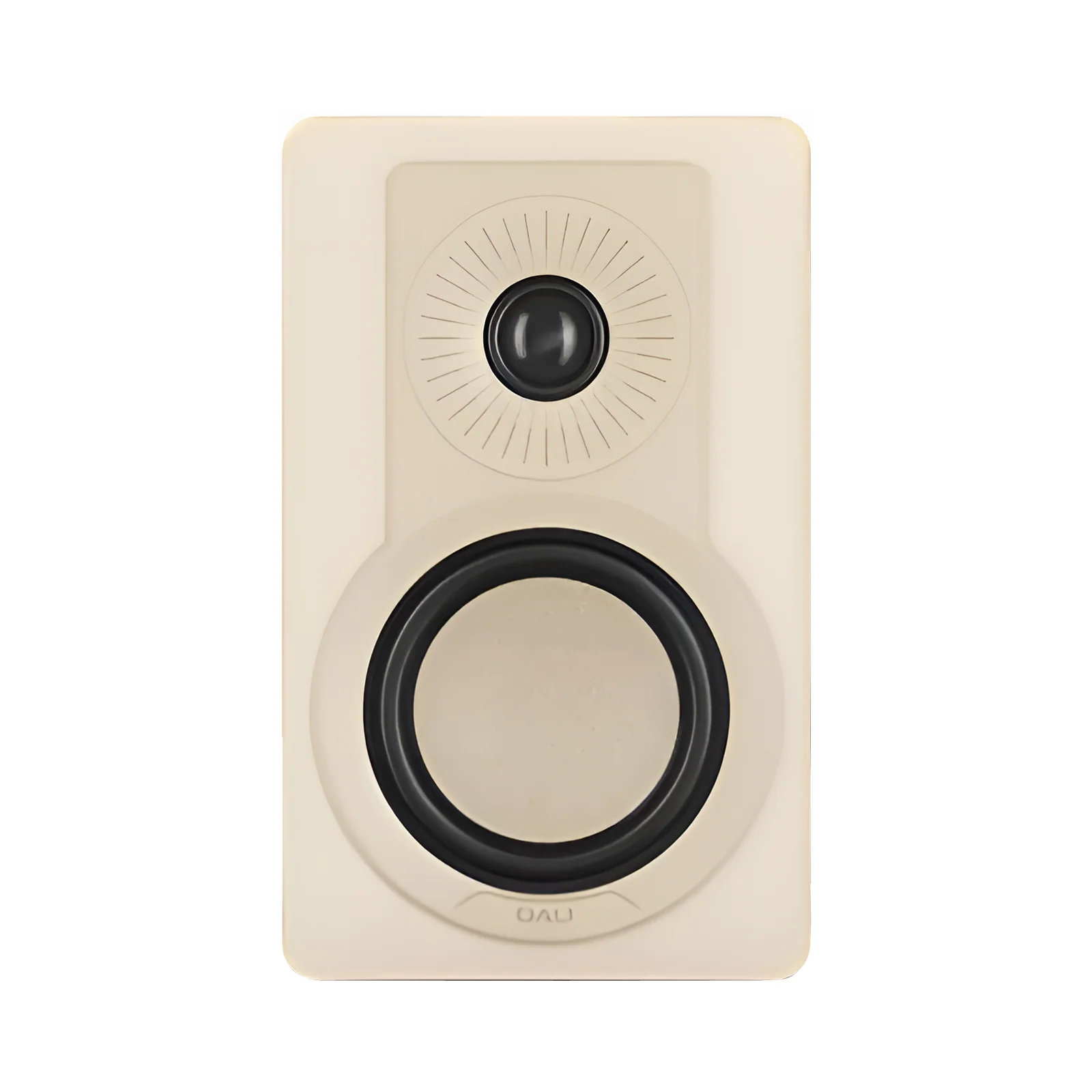
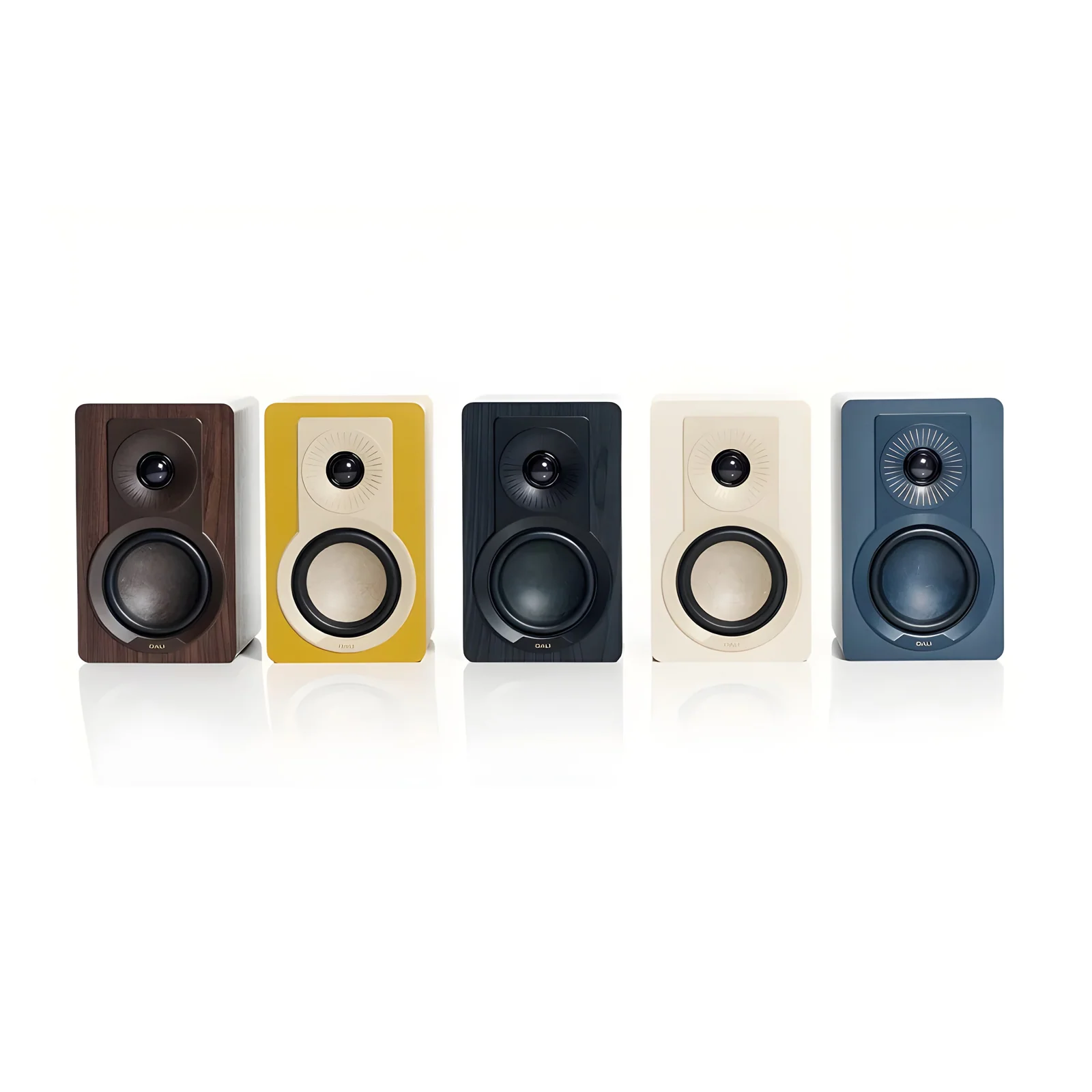
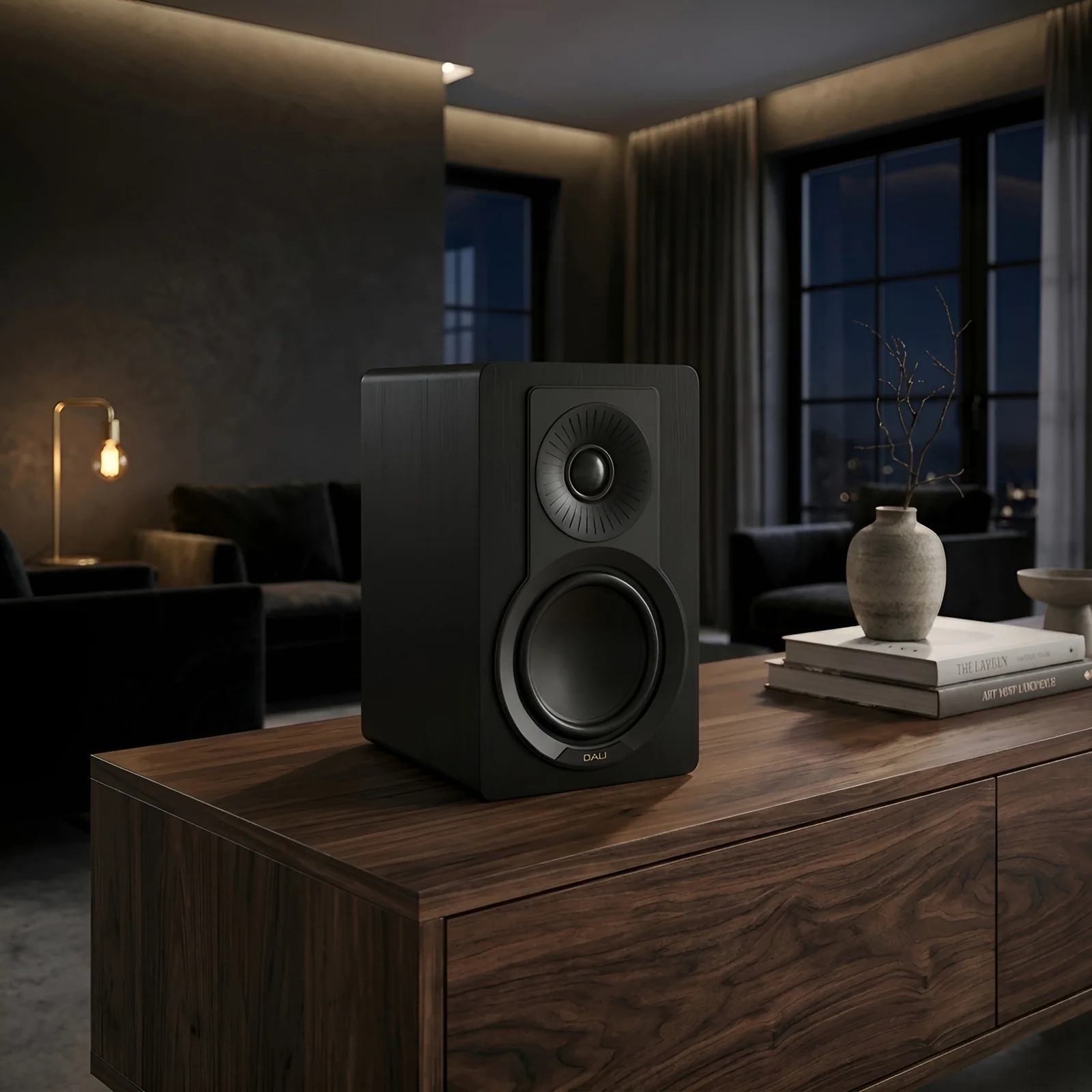
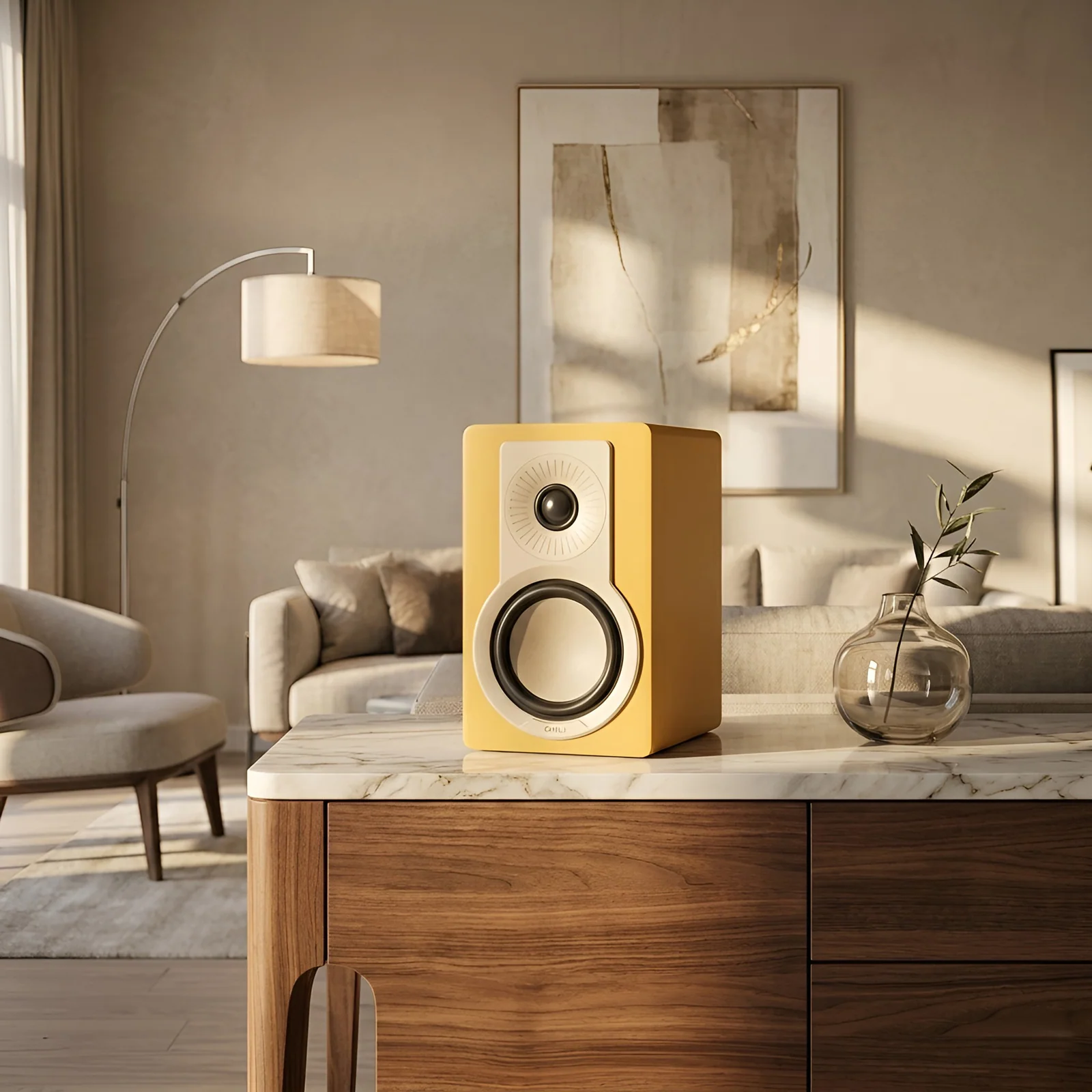
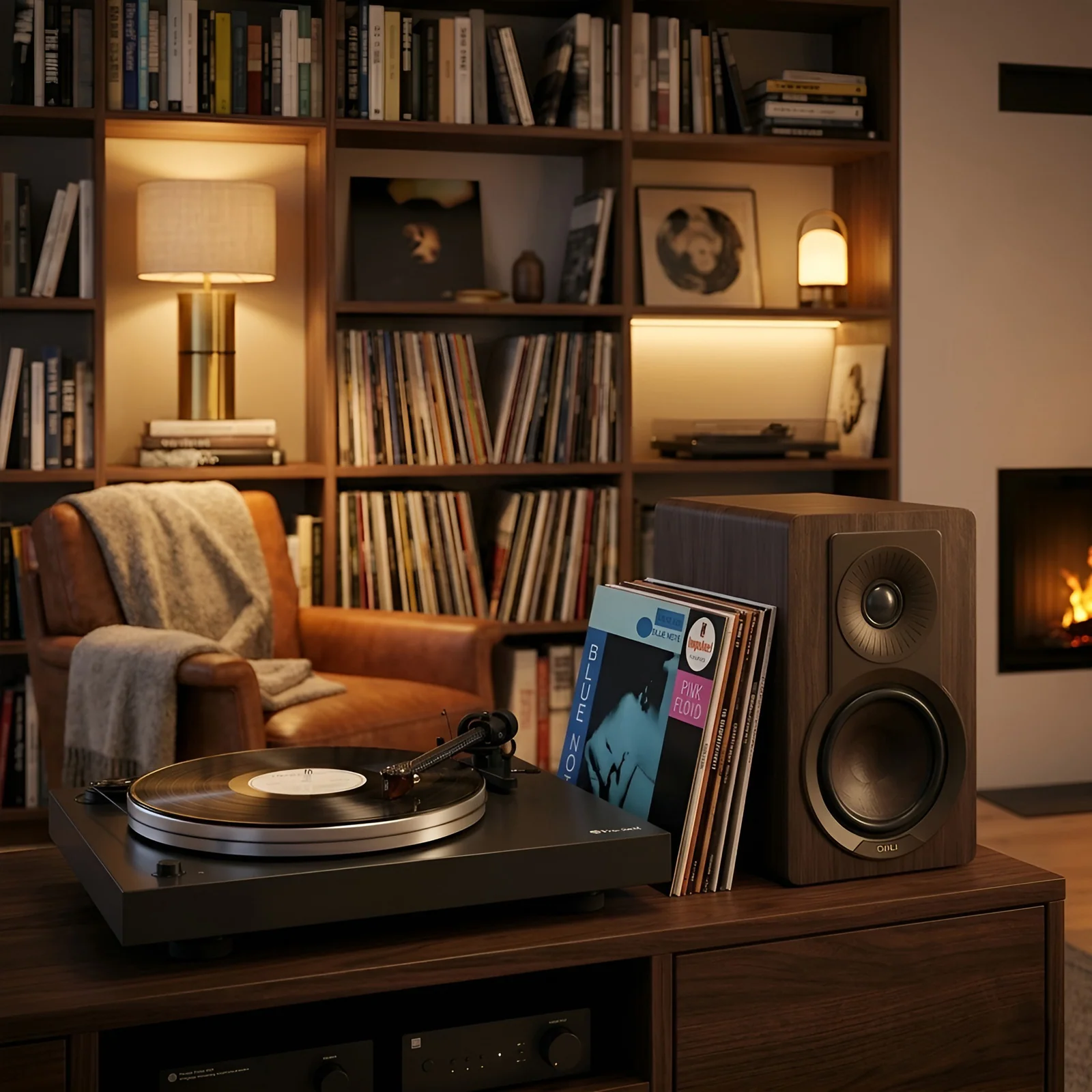
DALI offers Black Ash, Walnut, Caramel White, Golden Yellow and Chilly Blue, each with color-matched cone and grille. This listing is the Black Ash pair.
The Sonik 1 is a size up: a 5.25-inch woofer, a 29 mm tweeter, 51 Hz bass and an easier 6 ohm load. The KUPID is smaller and cheaper. Both are in our DALI collection.
Not for most music in a small room; every reviewer was surprised by the bass. For film or organ music, yes. Martin found one turned the pair into "a true, high-end system".
The Absolute Sound reviews the KUPID:
DALI introduces the KUPID:
Want to learn more about matching an amplifier to a 4 ohm load, wall mounting, or building a first system? Visit our Learning Center for guides, tips, and expert advice.

Choose which cookies you'd like to allow. Necessary cookies keep the site working and can't be switched off.